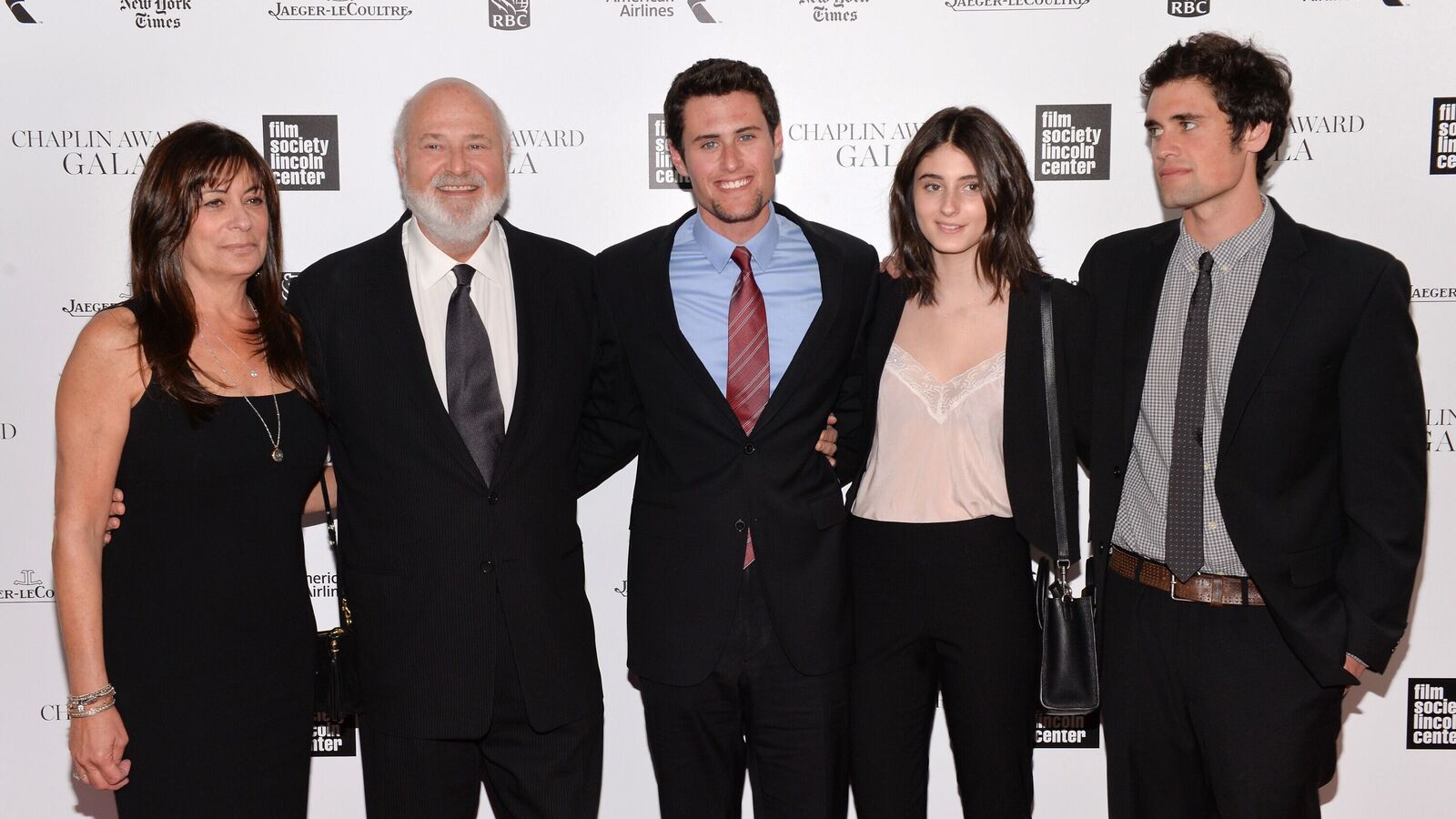
The sudden shift in personal circumstances surrounding high-profile figures often ripples through the corporate landscape, forcing a re-evaluation of leadership stability and succession planning. When personal crises intersect with the public eye, the resulting uncertainty can influence investor sentiment, particularly in sectors where individual brand identity is closely tied to institutional performance. This dynamic underscores the fragility of corporate narratives when they rely heavily on the continuity of key stakeholders.
The Intersection of Personal Crisis and Corporate Stability
Investors frequently monitor leadership stability as a primary indicator of long-term health. When a company or a prominent figure faces a period of intense personal upheaval, the immediate concern for the market involves the potential for distraction or a change in strategic focus. This is particularly relevant in industries where the founder or a central family figure remains deeply embedded in the decision-making process. The market reaction to such events is rarely about the personal narrative itself, but rather about the potential for operational friction or a shift in the company's core mission.
In the context of broader stock market analysis, these moments serve as a stress test for governance structures. Companies that have clearly defined succession plans and robust management teams tend to weather these periods with less volatility. Conversely, entities that lack a clear separation between personal branding and corporate governance often experience heightened sensitivity. The narrative shift here is not about the specific event, but about the resilience of the organizational structure when the human element becomes a source of instability.
Sectoral Read-Through and Valuation Resilience
Sectoral performance often hinges on the perceived reliability of its leaders. In technology and industrials, where long-term capital allocation is critical, any sign of leadership distraction can lead to a re-pricing of risk. For instance, firms like ON Semiconductor Corporation or Bloom Energy Corp operate in environments where strategic clarity is paramount. When leadership stability is questioned, the market often shifts its focus toward the underlying fundamentals of the business rather than the charisma of its figureheads.
AlphaScala data currently reflects a cautious outlook on several fronts, with ON Semiconductor Corporation holding an Alpha Score of 45/100 and Bloom Energy Corp at 46/100, both labeled as Mixed. These scores highlight the importance of separating individual leadership narratives from the objective performance metrics that drive long-term value. Investors should distinguish between temporary noise and structural changes that could impact the bottom line.
The Path Toward Operational Clarity
Moving forward, the primary marker for investors will be the degree to which firms can maintain operational continuity during periods of transition. The next concrete indicator of stability will be found in upcoming quarterly filings and management commentary regarding strategic alignment. If a company can demonstrate that its internal processes remain insulated from external personal pressures, the market is likely to stabilize. Investors should look for evidence of delegation and the empowerment of secondary management layers as the definitive sign that the organization has successfully decoupled its performance from the personal circumstances of its leadership. The focus remains on whether the institutional framework is strong enough to withstand the inevitable human challenges that arise within any high-stakes corporate environment.