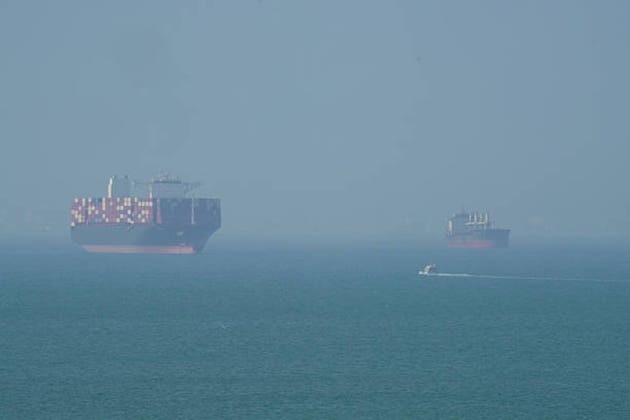
The Trump administration has initiated a formal request for international partners to join a coalition aimed at securing the Strait of Hormuz. This proposal, characterized as a Maritime Freedom Construct, seeks to establish a coordinated naval presence to ensure the unimpeded flow of commercial shipping and energy supplies. The move follows a period of heightened regional volatility that has placed the security of global oil transit routes at the center of geopolitical discourse.
Strategic Implications for Energy Transit
The Strait of Hormuz serves as a critical chokepoint for global energy markets. A significant portion of the world's daily oil production passes through this narrow passage, making it a focal point for risk assessment among major importers. By seeking a multilateral framework, the administration aims to distribute the logistical and political burden of patrolling these waters. The success of this initiative depends on the willingness of regional and global allies to commit naval assets to a mission that carries inherent risks of escalation.
Energy markets often react to developments in this region by pricing in potential supply disruptions. The formation of a formal coalition could serve to stabilize expectations by providing a structured response to maritime threats. However, the involvement of multiple nations introduces complexities regarding command structures and the rules of engagement. Investors are currently evaluating whether this coalition will effectively deter interference or if it will lead to a more entrenched military standoff.
Sector Read-through and Market Positioning
The energy sector remains the primary beneficiary of stability in the Strait of Hormuz. Companies involved in the exploration, production, and transportation of crude oil are sensitive to any news regarding the security of this corridor. While the proposal is in its early stages, the potential for a coordinated security effort suggests a shift toward proactive risk mitigation rather than reactive policy shifts.
AlphaScala currently tracks various technology and infrastructure firms that support global logistics and energy monitoring. For instance, companies like Unity Software Inc. maintain an Alpha Score of 42/100, reflecting a mixed outlook within the broader technology sector. While the current maritime proposal is geopolitical in nature, the integration of advanced simulation and monitoring software is increasingly relevant to how firms assess supply chain vulnerabilities and transit risks.
- The proposal focuses on three core objectives:
- Ensuring the continuous flow of commercial shipping.
- Protecting energy infrastructure from regional interference.
- Establishing a multinational naval presence for rapid response.
The Path to Implementation
The next concrete marker for this initiative will be the formal response from prospective coalition members. The administration must secure commitments for specific naval assets to move the construct from a diplomatic proposal to an operational reality. Market participants will monitor upcoming defense and foreign policy briefings for details on which nations have agreed to participate and the specific scope of their contributions.
Any delay in securing these commitments or a refusal from key regional partners could signal a lack of consensus, potentially increasing the risk premium on energy assets. Conversely, a rapid formation of the coalition would likely be interpreted as a stabilizing force for global trade routes. The focus remains on the upcoming diplomatic summits where the details of the Maritime Freedom Construct will be finalized.