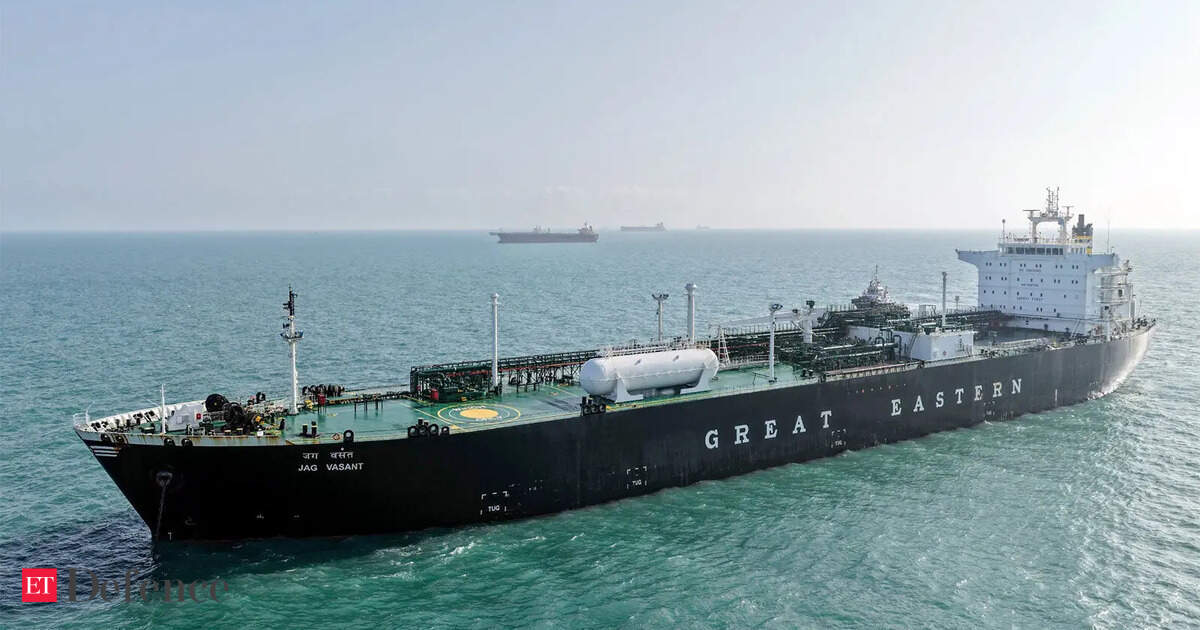
The launch of drones by Iranian forces toward United States warships in the Sea of Oman marks a significant escalation in maritime hostilities within a critical global energy transit corridor. This confrontation follows a reported attack on an Iranian commercial vessel, which Tehran claims was the target of an attempted seizure by U.S. forces. The incident has immediate implications for the security of the Strait of Hormuz, a chokepoint that facilitates a substantial portion of the world's seaborne oil and liquefied natural gas exports.
Strategic Chokepoints and Energy Logistics
The Strait of Hormuz remains the primary artery for energy flows from the Persian Gulf to international markets. Any sustained disruption or increase in military activity in this region forces shipping companies to reassess transit safety, potentially leading to higher insurance premiums and altered vessel routing. The direct engagement between Iranian forces and U.S. naval assets introduces a new layer of volatility for energy markets that have already been sensitive to regional geopolitical tensions. The narrative has shifted from localized maritime disputes to a direct, active confrontation involving state-level military assets.
Impact on Regional Risk Premiums
Market participants are now evaluating how this kinetic activity influences the broader risk environment for assets tied to global trade and energy production. While the immediate focus remains on the tactical situation in the Sea of Oman, the potential for a wider regional conflict creates uncertainty for supply chains that rely on predictable transit through these waters. Investors often respond to such events by rotating into safe-haven assets or adjusting exposure to sectors sensitive to energy price spikes. This event serves as a reminder of the fragility of global logistics when geopolitical friction manifests in key maritime corridors. As noted in our recent analysis on geopolitical volatility and risk premiums, such incidents often force a rapid repricing of regional exposure across equity and commodity markets.
AlphaScala Data and Market Positioning
Current market sentiment remains cautious as participants monitor the potential for further escalation. Within the broader technology and consumer sectors, companies like ON Semiconductor Corporation (Alpha Score 45/100), Sea Ltd (Alpha Score 43/100), and ServiceNow Inc. (Alpha Score 53/100) are currently tracking with mixed signals. These scores reflect a period of consolidation where broader macroeconomic factors often outweigh individual company performance during times of geopolitical stress.
The next concrete marker for this situation will be the official response from the U.S. Department of Defense regarding the status of the involved warships and any subsequent changes to maritime security protocols in the region. Further reports on the movement of commercial tankers through the Strait of Hormuz will provide the next signal on whether this incident represents a contained tactical exchange or the beginning of a sustained period of maritime instability. Monitoring these developments is essential for understanding the potential for broader stock market analysis adjustments in the coming sessions.