Stocks● Neutral
Marine Corps Drone Expansion Faces Logistics Hurdles
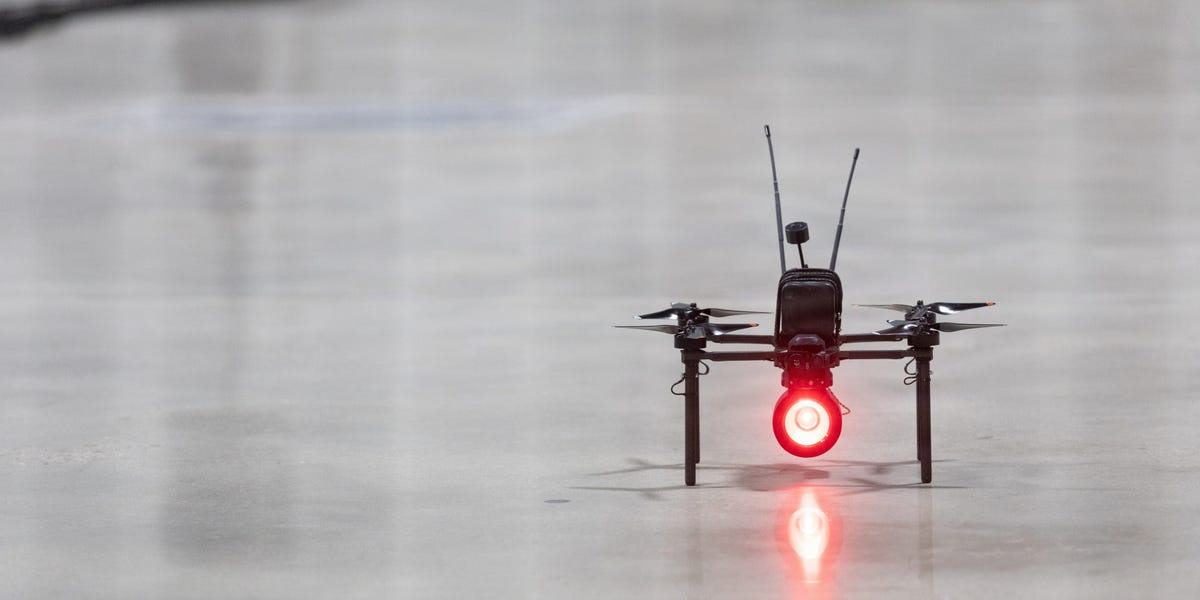
The Marine Corps plans to field tens of thousands of new drones, but supply chain and maintenance hurdles threaten to slow the rollout. Watch for new contracts.
Continue with
The United States Marine Corps is initiating a massive expansion of its unmanned aerial vehicle fleet, planning to field tens of thousands of new drones for reconnaissance and offensive operations. While this shift aims to modernize combat capabilities, military leadership has identified significant logistical constraints that threaten to complicate the integration of these systems into active service.
Logistics and Supply Chain Friction
The primary challenge facing the Marine Corps involves the maintenance and sustainment of a high-volume drone fleet. Scaling from current levels to tens of thousands of units introduces complex requirements for battery supply chains, specialized repair parts, and the training of personnel capable of managing technical field maintenance. Commanders are concerned that the current infrastructure lacks the capacity to support such a rapid influx of hardware without disrupting existing operational readiness.
Beyond the physical supply chain, the integration of these systems requires a fundamental change in how units manage data flows and signal interference. The sheer volume of drones operating in a concentrated area creates a risk of electromagnetic congestion, which could degrade the effectiveness of the very systems intended to provide battlefield awareness. Ensuring that these units can operate autonomously while maintaining secure communication links remains a critical bottleneck for the program.