Stocks● Neutral
Marcus Aurelius on Markets: 10 Lessons Traders Learn Too Late
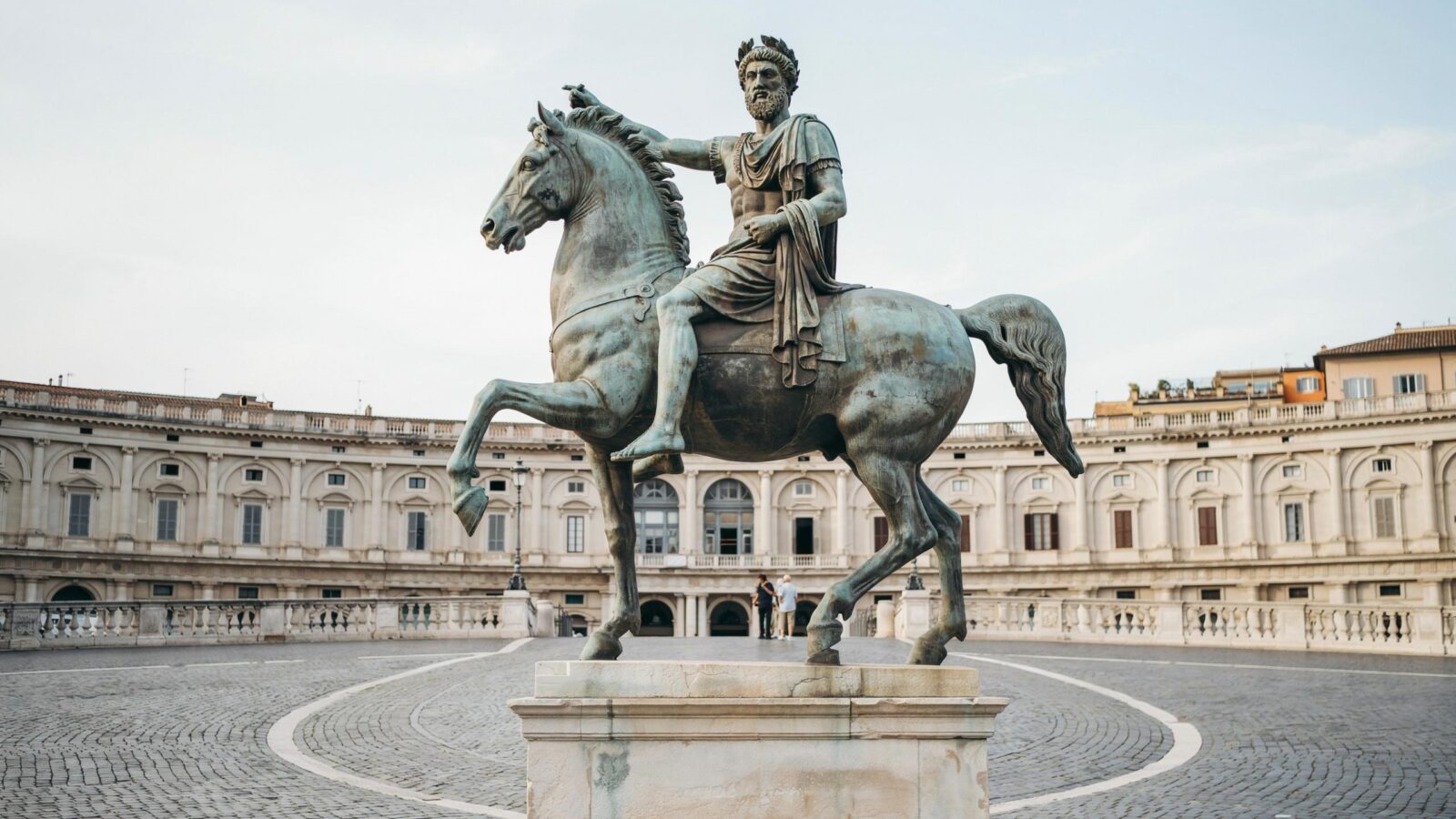
Marcus Aurelius' Meditations offers traders timeless principles on ego, anger, and mortality. These ten lessons are simple to read, harder to live by in volatile markets.
Continue with
Marcus Aurelius wrote Meditations in a military tent, in Greek, for his own eyes. He never meant those notes to become a manual for trading. Yet the principles he recorded about ego, anger, and mortality map directly onto the psychological challenges that erode portfolios faster than any market drawdown.
“You have power over your mind, not outside events. Realize this, and you will find strength.” Most traders spend years trying to predict the next move, force a setup, or control volatility. Markets do not answer to human will. The only thing a trader truly controls is the decision to enter, exit, or sit still. Real power sits in that choice, not in bending price action to a narrative.
“Do not act as if you were going to live ten thousand years. Death hangs over you. While you live, while it is in your power, be good.” It is easy to live for someday. After the next profitable quarter. After the drawdown recovers. After one more big win. That kind of thinking is a quiet way of avoiding the present. A trade gone wrong can wipe out years of gains in an afternoon. The deadline a trader cannot see is the one that matters most.
“If you are distressed by anything external, the pain is not due to the thing itself. It is due to your estimate of it, and this you have the power to revoke at any moment.” A losing trade is just a fact. The pain comes from what a trader tells himself about it: that he was wrong, that he should have known better, that the market is unfair. That story can be rewritten at any moment he chooses.
“I have often wondered how it is that every man loves himself more than all the rest of men, yet sets less value on his own opinion of himself than on the opinion of others.” Chasing consensus often leads to crowded trades. A trader who values his own analysis more than the crowd’s noise usually fares better. The loudest rooms are often the most wrong.
“How much more grievous are the consequences of anger than the causes of it?” Revenge trading is a fast way to ruin. Anger at a missed entry or a stop-loss hit sits inside the trader, not the market. It grows heavier than the original mistake ever was.