Stocks● Neutral
Marcos: Ouster Calls 'Nonsense' as He Defends Graft Crackdown
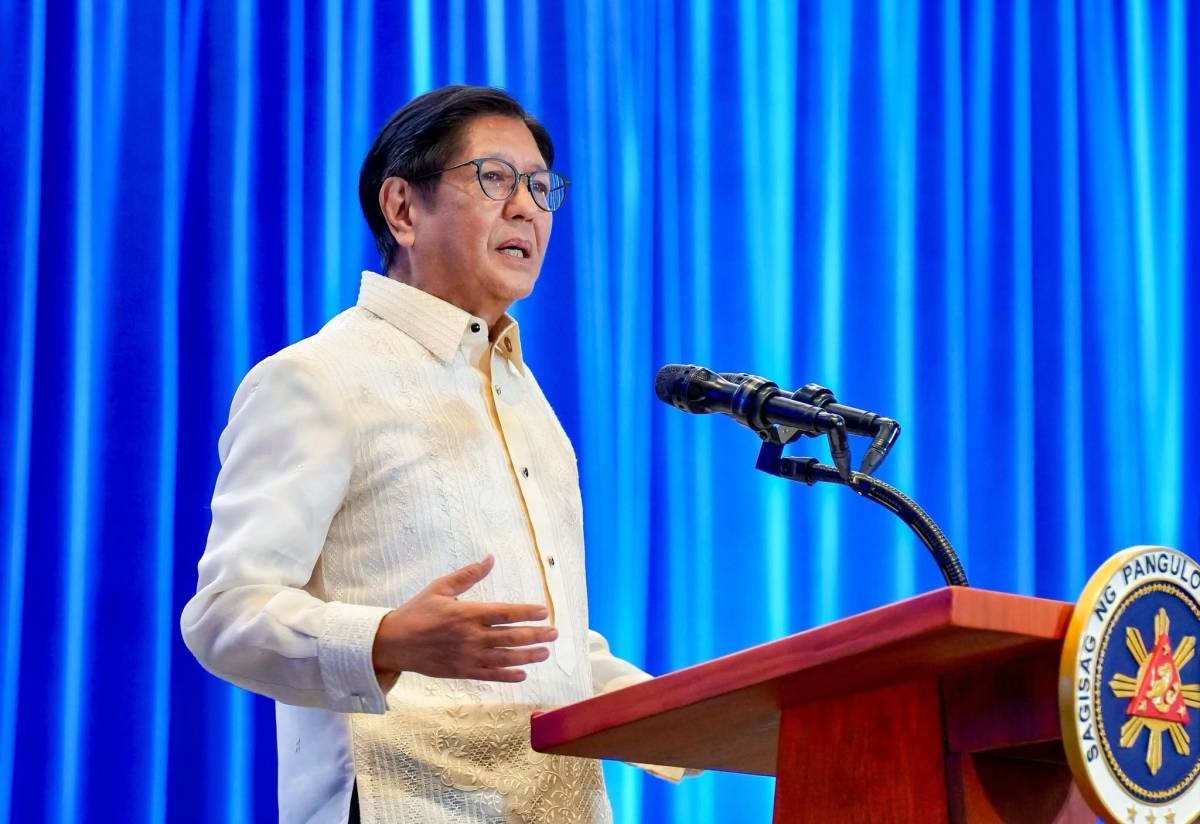
President Marcos dismisses ouster calls as 'nonsense,' points to graft exposure. The denial may stabilize political risk for Philippine infrastructure investors.
Continue with
President Ferdinand Marcos Jr. said Saturday that calls to oust him are "nonsense," pointing to his administration's exposure of irregularities in flood control projects as evidence of good governance.
In a media interview in Canada, Marcos said the anomalies were disclosed only during his watch. Past presidents failed to look into the issue, which occurred "beyond [his] administration," he said.
"If I hadn't said what I said in the SONA, we wouldn't be talking about this. I'm the one who exposed all of this," Marcos said. "Have they imprisoned anyone? Have they frozen any accounts? Have they conducted any investigations? Nothing. Only me."
He added that the government has an inventory of contractors and projects found with irregularities. Some contractors now face cases and frozen bank accounts. "One or two, although they were named and had large contracts, turned out there was no problem," he said.
The president's defiance comes as political noise swirls around allegations linking his family to infrastructure corruption. He framed the ouster calls as illogical: "If it was really my racket, why would I ruin my racket?"
For investors watching Philippine infrastructure, the central issue is whether the investigation cycle disrupts project awards. The disclosure of a contractor inventory and ongoing cases suggests a push for compliance. Firms that have avoided irregularities could benefit from a reallocation of public works contracts.