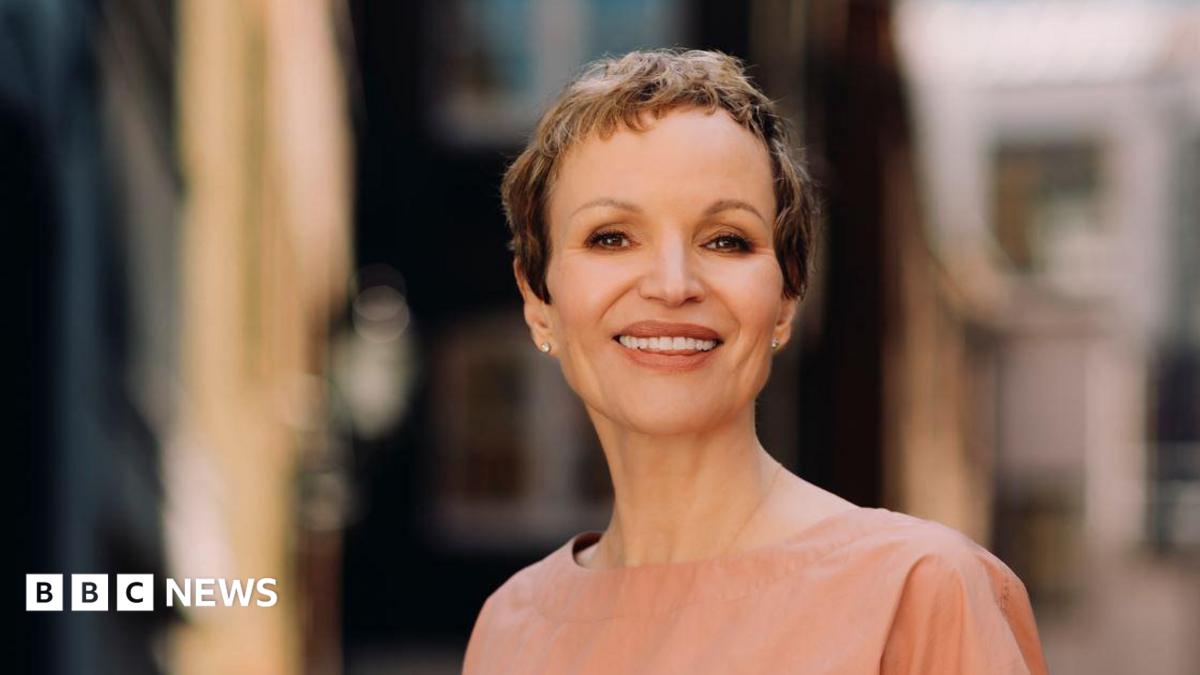
The Beauty Pie founder dropped out of Columbia University after her tuition plan fell through. She developed five rules for building a business along the way.
Marcia Kilgore built five consumer brands without a formal business plan for any of them. Beauty Pie, the subscription cosmetics line, is the best known. Before it came the luxury spa Bliss and the beauty range Soap & Glory. The footwear brand FitFlop followed. The 57-year-old entrepreneur did not start with a grand plan. She moved from Canada to New York to study at Columbia University. Her tuition plan fell through. She had to work.
"You can't sit around thinking: 'What am I going to do?' You have to survive. I knew I had to use the skills I had to support myself and then I would figure it out," she said.
She worked as a personal trainer and took beauty classes at night. "What ended up transpiring was that I was quite good at the beauty industry job," she said. She dropped out of university to pursue it.
In her early salon, she did the laundry and staff training. She performed treatments herself. When she opened Bliss Spa in London in the 1990s, she had trained a full team ahead of the opening. Many quit on opening day. "The good thing is I know how to wax and do facials, so I could do all of the appointments myself," she said.
That experience taught her to build a business where she has deep, hands-on knowledge. "You want to have deep expertise, so you're not left swinging in the wind if people disappoint you or things come in from the side and surprise you," she said.
She applies a "so what?" test to every idea. "If you can't answer 'so what?' in one sentence, your idea isn't good enough yet," she said. The idea needs refining until its purpose is immediately understandable. She does not necessarily mean abandoning it.
She warns against "ownership bias." The belief that an idea is brilliant simply because it belongs to you. "You might think something is really great. You're living in your own bubble," she said. Test the idea with the target market before investing time and money. She added that AI now offers a cheap way to pressure-test assumptions. "AI can challenge your idea and advise you on what you need to consider that you might not obviously see," she said.
Early in her career, she decided to be someone people looked forward to being around. "I made sure I was the sunniest and hardest working person to do that service," she said. Politeness and punctuality built loyalty and referrals. "If you do a really great job, people will recommend you," she said. Her tiny salon became booked months in advance.
Building a business leaves little free time. "You're not going to have a lot of free time," she said. Running a company requires constant awareness of changing customer behaviour and new competitors. That means reading and researching outside working hours. The workload feels lighter if you are genuinely curious. "That's what drives you," she said.
She has non-negotiables. She made an effort not to miss school plays or family holidays while raising her children. She also uses the deathbed test. "Imagine you're on your deathbed, think about what you would have done differently and do that," she said. "If it doesn't mean something, or you haven't done something good for people, are you going to feel that your life was really well spent?"
Her drive traces back to a childhood decision. "I remember deciding at eight-years-old that when I was my parents' age, I would never want to be stressed about my electric bill," she said. That shaped her view of risk. "I knew that working for other people wouldn't necessarily give me the freedom I wanted, and at least when you are an entrepreneur, the risk is your own."
Success for her is not just about building another company. It is about deciding which ideas are worth the time they require, she said.
Drafted by a large language model from the source reporting linked above, then screened by automated publishing checks. It is not read by a journalist before publication. Some articles cite our Alpha Score. Verify prices and figures against the original source. Educational coverage, not personalized advice.