Macro● Neutral
Pangilinan Doubles Tour of Luzon Scale for Tour de France Bid
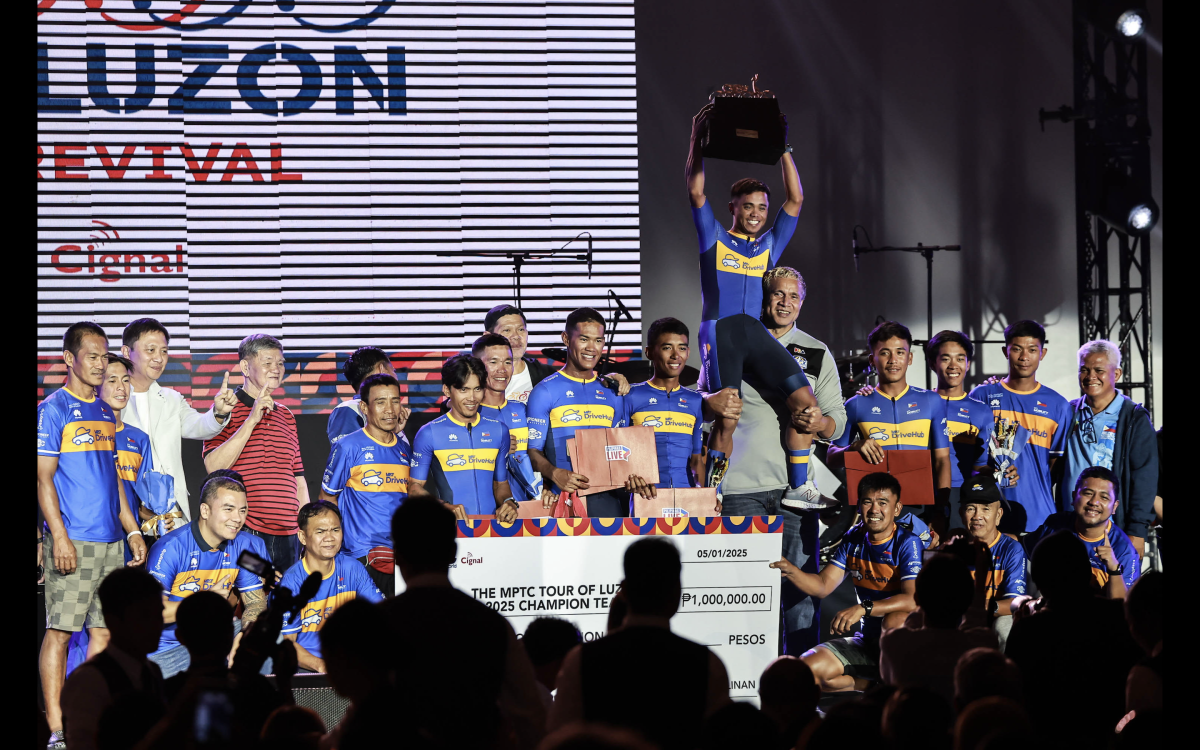
Doubling the race scale creates a high-performance incubator for Filipino cyclists. The strategy aims to bridge the gap to professional European competition.
Continue with
Ambition Meets Infrastructure: The Road to the Tour de France
For Manny V. Pangilinan, the business magnate behind some of the Philippines’ largest infrastructure and telecommunications conglomerates, the road ahead is measured in kilometers, elevation gains, and international prestige. Following the successful revival of the Tour of Luzon in 2025, Pangilinan—famously known as MVP—has signaled an aggressive expansion of the race for 2026. This isn't merely a commitment to domestic sports development; it is a calculated effort to build a pipeline capable of producing the first Filipino cyclist to compete in the Tour de France.
By nearly doubling the scale of the 2026 event, Pangilinan is signaling a shift in the local cycling ecosystem. For stakeholders and sports investors, the move represents a rare convergence of corporate social responsibility and long-term talent cultivation, transforming a regional competition into a high-performance incubator for professional athletes.
Scaling the Competition: A Strategic Pivot
The 2025 return of the Tour of Luzon served as a proof-of-concept, testing the appetite for high-stakes cycling in a market traditionally dominated by basketball and combat sports. With the 2026 edition set to double in magnitude, the organizers are effectively raising the barrier to entry, demanding higher technical standards from participants.
For the professional cycling community, the expansion is critical. The Tour de France is not just a race; it is a logistical and athletic gauntlet that requires years of UCI-sanctioned experience. By enlarging the platform at home, Pangilinan is effectively creating a local version of a 'feeder league.' Increasing the scale of the Tour of Luzon allows for longer stages, more rigorous terrain, and a deeper field of competitors, all of which are prerequisites for preparing Filipino riders for the demands of the European peloton.