Back to Markets
Macro● Neutral

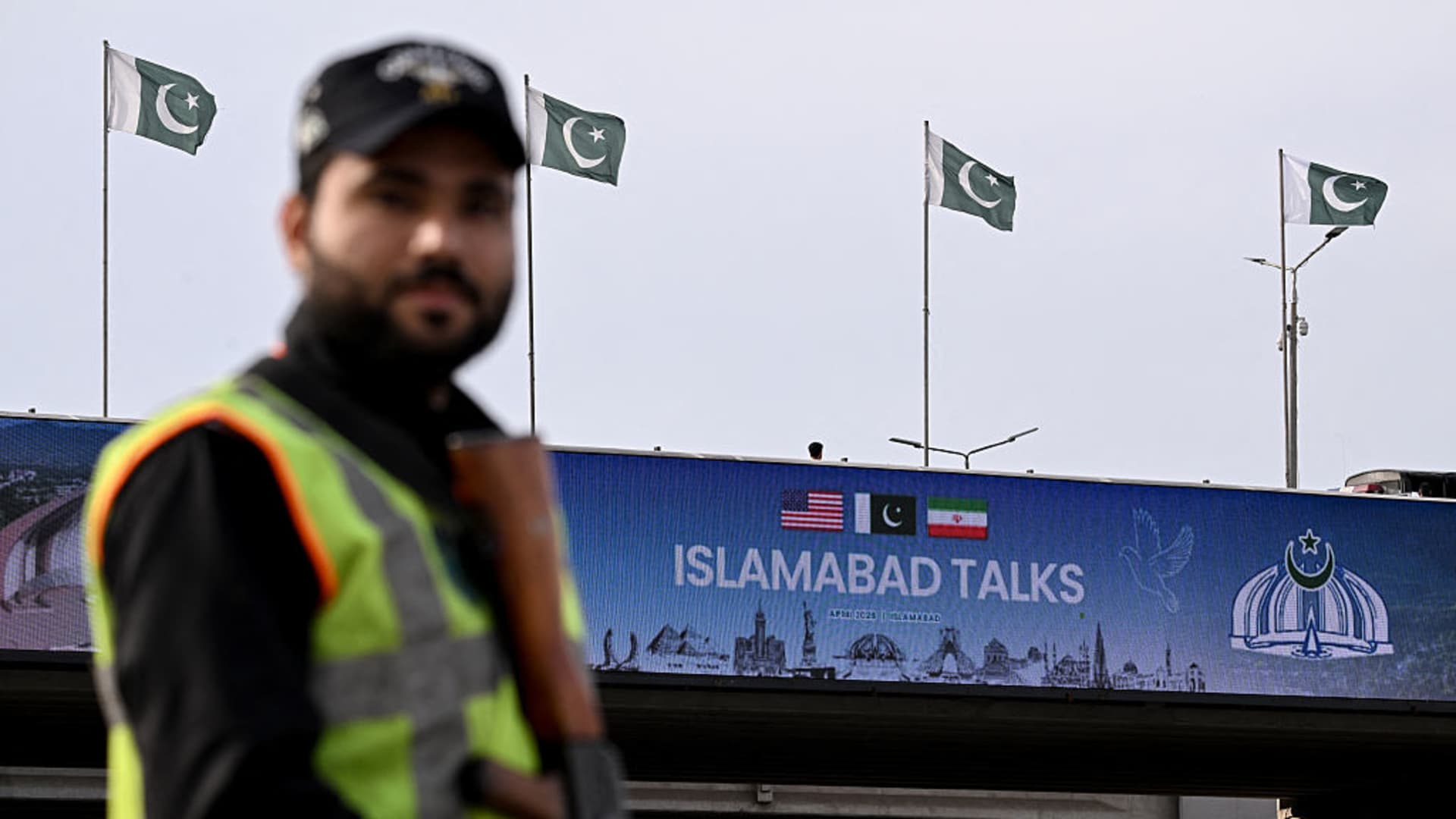
Geopolitical Pivot: U.S.-Iran High-Level Talks Convene in Islamabad

April 11, 2026 at 06:55 AMBy AlphaScalaSource: cnbc.com
Geopolitical Pivot: U.S.-Iran High-Level Talks Convene in Islamabad

U.S. and Iranian delegations, led by Vice President JD Vance and top Iranian officials, have arrived in Islamabad for high-level talks, potentially signaling a shift in regional stability.

A Diplomatic Breakthrough in Islamabad

In a development that has sent ripples through global geopolitical circles, a high-level diplomatic summit is set to commence in Islamabad, Pakistan, marking a rare and significant engagement between the United States and Iran. The Pakistani government officially confirmed the arrival of an Iranian delegation, headlined by the nation's parliament speaker and foreign minister, to facilitate direct discussions with their American counterparts.

The U.S. delegation, notably led by Vice President JD Vance, has arrived in the Pakistani capital, signaling a high-priority shift in Washington’s approach to Middle Eastern engagement. While the specifics of the agenda remain closely guarded, the mere fact of this meeting—occurring on neutral, third-party ground—suggests a concerted effort to de-escalate regional tensions that have long influenced global stability.

Contextualizing the Diplomatic Shift

The choice of Islamabad as the venue for these talks is far from incidental. Pakistan has historically served as a strategic mediator between Western interests and regional powers. By hosting this summit, Islamabad is positioning itself as a pivotal broker in a process that could fundamentally alter the security architecture of the Middle East.

For traders and macro strategists, this summit represents a potential inflection point. Relations between Washington and Tehran have remained profoundly strained for decades, with intermittent periods of heightened volatility often leaking into energy and currency markets. Any breakthrough—or even the maintenance of open channels—could serve as a critical buffer against the risk premiums typically associated with geopolitical instability in the Persian Gulf.

Market Implications and Risk Assessment

The arrival of Vice President Vance and the Iranian leadership in the same city is being monitored closely by risk desks worldwide. Markets are particularly sensitive to any rhetoric emanating from these discussions that might hint at a softening of sanctions or a cooling of regional proxy conflicts. Historically, news of direct U.S.-Iran dialogue has triggered immediate reactions in crude oil futures, as the potential for Iranian supply reintegration or the reduction of maritime transit risks remains a key variable for global energy prices.

Investors should note that while the presence of high-level officials is a positive signal for diplomatic stability, the path forward is fraught with complexity. Markets are likely to remain in a 'wait-and-see' posture, with volatility expected to tick higher as snippets of the talks reach the wires. Traders should be prepared for sudden price action in safe-haven assets, such as gold and the U.S. Dollar, should the talks yield unexpected tension or, conversely, a surprise framework for cooperation.

What to Watch Next: The Path Forward

Moving forward, the primary focus for market participants will be the duration and tone of the meetings in Islamabad. Analysts are looking for official joint statements or press conferences that indicate whether these talks are merely exploratory or if they represent a substantive negotiation phase.

Key indicators to monitor include:

  • Any shifts in rhetoric regarding regional security and maritime trade routes.
  • Official statements from the Pakistani Foreign Ministry regarding the progress of the mediation.
  • Market volatility indices, which may react sharply to any reports of impasse or progress.

As the summit progresses, the broader implications for the global macro landscape remain significant. Whether this meeting leads to a tangible cooling of tensions or serves as a temporary diplomatic bridge, the event underscores the enduring importance of direct communication in stabilizing a volatile global order.