Macro● Neutral
Vance Pakistan Talks: Can Diplomacy End the Feb 28 Conflict?
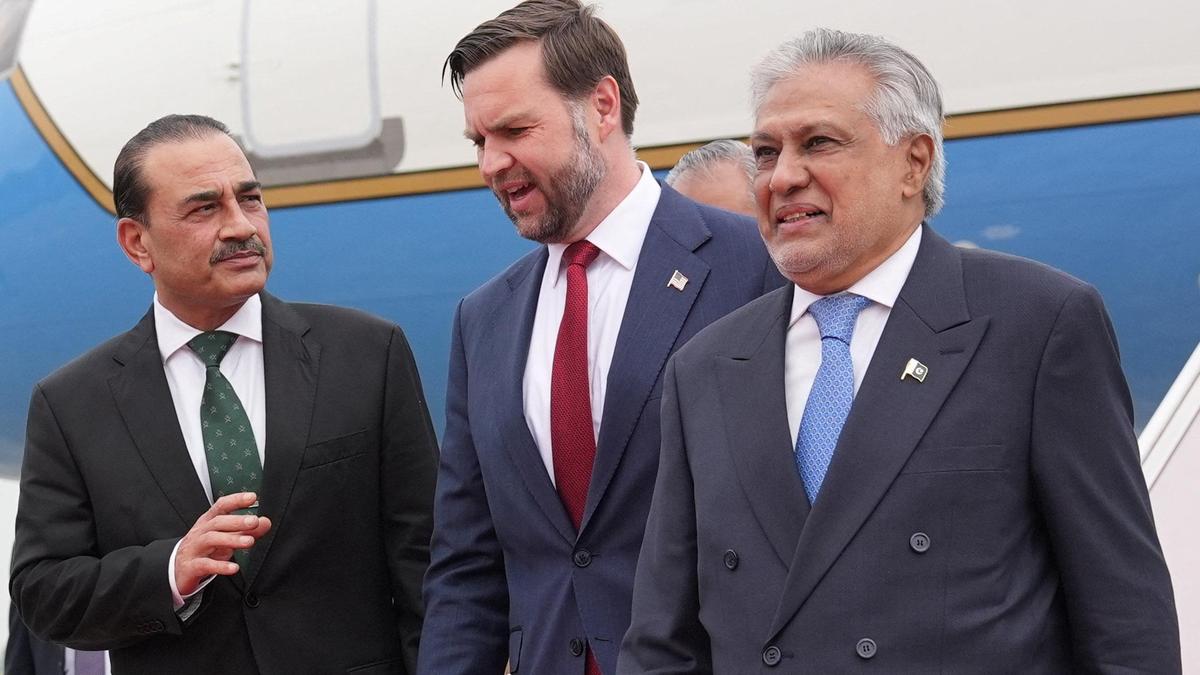
As the two-week ceasefire nears its end, Vance’s mission to Pakistan aims to stabilize energy markets and prevent a return to active regional hostilities.
Continue with
A Diplomatic Breakthrough Amidst Regional Volatility
In a move that signals a potential de-escalation in Middle Eastern hostilities, U.S. Vice President J.D. Vance has arrived in Pakistan to initiate critical peace negotiations involving Iranian representatives. This high-level diplomatic push comes at a pivotal juncture, as the region navigates the complexities of a two-week military pause between the United States, Israel, and Iran.
The current ceasefire, which has provided a fragile window for dialogue, follows the onset of a kinetic conflict that began on February 28. The arrival of the Vice President in the region underscores the urgency with which the administration is treating the current security landscape, shifting the focus from active combat operations to a negotiated framework for stability.
The February 28 Flashpoint and Regional Context
The conflict, which erupted on February 28, saw the United States launch targeted strikes against Iranian assets, triggering a broader regional standoff that has rattled global markets. For the past fourteen days, the cessation of hostilities—a temporary halt in the exchange of fire between the U.S.-Israeli coalition and Iranian forces—has created a narrow corridor for international mediation. The choice of Pakistan as a neutral venue for these talks is significant, given the nation’s historical role as a diplomatic conduit and its strategic proximity to the theater of operations.
Market participants have been closely monitoring these developments, as the preceding weeks of active conflict introduced significant volatility into energy markets and risk assets. The transition from kinetic warfare to a diplomatic summit is a development of the highest order, as the resolution—or extension—of this conflict holds direct implications for maritime security in the Persian Gulf and global crude supply chains.