Back to Markets
Macro● Neutral

Succession Crisis Looms: Reports Surface of Severe Injuries to Iran’s Mojtaba Khamenei

April 11, 2026 at 06:32 AMBy AlphaScalaSource: thehindubusinessline.com
Succession Crisis Looms: Reports Surface of Severe Injuries to Iran’s Mojtaba Khamenei

Reports of severe injuries to Iran's new Supreme Leader, Mojtaba Khamenei, have introduced a layer of geopolitical uncertainty, prompting analysts to monitor potential impacts on regional stability and energy markets.

A Fragile Transition at the Helm

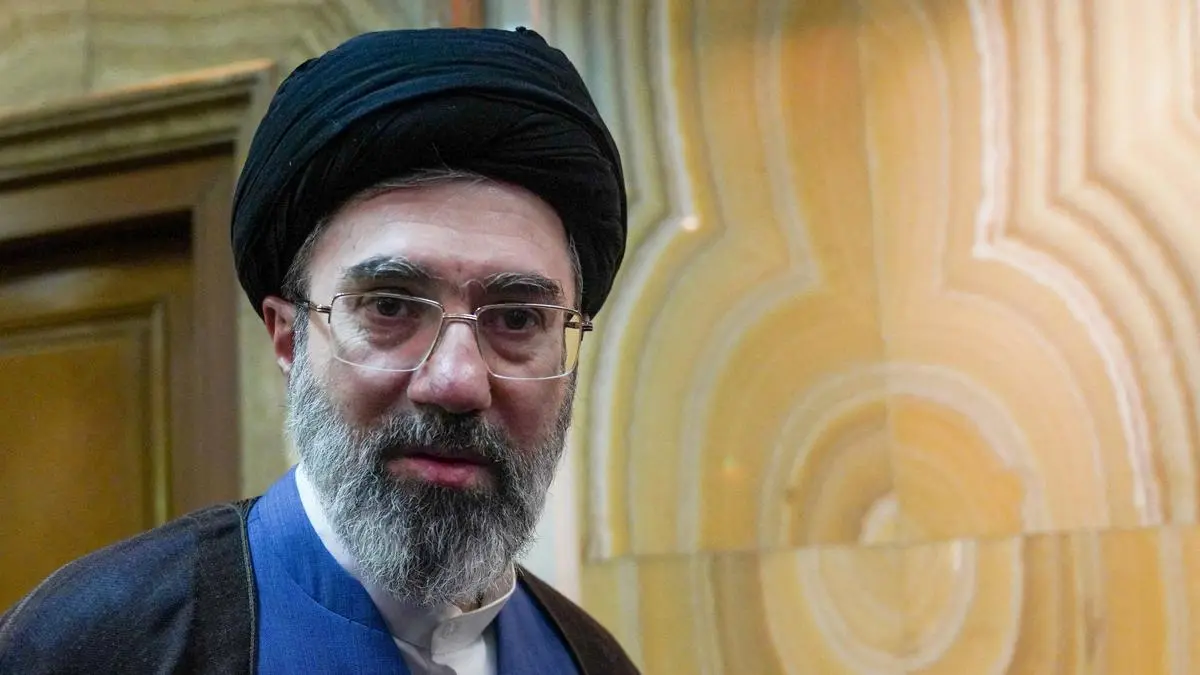
In a development that has sent ripples of uncertainty through the geopolitical landscape, reports have emerged indicating that Iran’s newly appointed Supreme Leader, Mojtaba Khamenei, is currently recovering from severe and disfiguring wounds. The status of the leader, who succeeded his father in a transition marked by high domestic tension, has become a focal point of concern for regional analysts and intelligence observers alike.

While official state channels in Tehran remain silent regarding the nature or cause of these injuries, the reports of his physical condition suggest a period of precarious leadership. For traders and market strategists, the physical health of the Supreme Leader is not merely a domestic administrative detail; it is a critical variable in the stability of the Middle East—a region already grappling with heightened volatility and complex energy supply dynamics.

The Weight of Uncertainty

Mojtaba Khamenei’s ascent came at a time when the Islamic Republic is navigating a complex web of economic sanctions, internal dissent, and shifting regional alliances. The physical incapacitation of a leader in such a centralized system often leads to a power vacuum or, at the very least, a slowing of the decision-making process.

Historical precedents in the region show that when the health of a key political figure becomes a matter of public speculation, it often triggers behind-the-scenes maneuvering by factions within the Revolutionary Guard and the clerical establishment. Markets dislike ambiguity, and the lack of transparent information regarding the Supreme Leader’s recovery timeline adds a layer of 'risk premium' to assets tied to regional geopolitical stability, particularly in the energy and currency markets.

Market Implications: Why Traders Are Watching

For investors, the primary concern remains the potential for policy paralysis. If the Supreme Leader is unable to project authority, the risk of miscalculation in regional proxy conflicts increases. Furthermore, any disruption to the continuity of the Iranian state could impact existing diplomatic backchannels, potentially altering the trajectory of oil exports and regional security pacts.

While the direct economic impact of the leader's health status is difficult to quantify in the short term, traders are advised to monitor the following:

  • Energy Volatility: Any signal that the Iranian leadership is distracted or divided often leads to a reflexive uptick in crude oil prices, as traders price in potential supply chain disruptions or increased regional tension.
  • Safe-Haven Positioning: Heightened geopolitical uncertainty typically drives capital toward traditional safe havens, including gold and the U.S. Dollar, as investors hedge against the possibility of a sudden shift in the status quo.
  • Regional Currency Swings: Currencies of neighboring nations and those heavily exposed to Middle Eastern trade flows may experience increased intraday volatility as news regarding the Iranian leadership develops.

The Road Ahead

As the situation unfolds, the international community will be looking for signs of public appearances or official documentation that might clarify the extent of Mojtaba Khamenei’s recovery. The key question for the coming weeks is whether the Iranian state apparatus can maintain its operational tempo despite the leader's reported condition.

Market participants should remain vigilant for official statements from Tehran, as well as any shifts in the tone of state-run media, which often serve as the first indicators of significant internal shifts. Until clarity is reached, the premium on geopolitical risk is likely to remain elevated, advising a cautious approach to positions that are sensitive to Middle Eastern stability.