Stocks● Neutral
Mango's 22-shop Coin deal signals Italy retail footprint shift
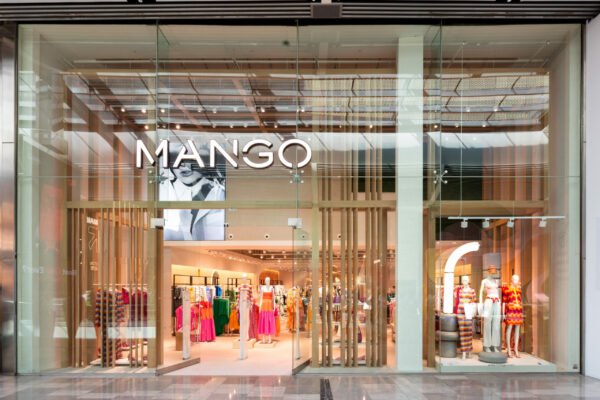
Spanish fashion retailer Mango plans 22 shop-in-shops inside Coin department stores from Sept 2026, shifting distribution strategy and pressuring European fast-fashion peers on Italian retail density.
Continue with
Spanish fashion retailer Mango is accelerating its Italian expansion through a partnership with department store operator Coin, planning to open 22 shop-in-shops across Coin locations between September 2026 and the end of 2027. The deal shifts Mango's growth strategy from standalone stores to embedded retail within an established department store network.
Why the Coin Partnership Changes Mango's Italy Profile
Mango already operates 90 stores in Italy through its direct retail network. Partnering with Coin adds physical points of sale without the capital expenditure of new leases and build-outs. The 22 new spaces will be Mango-operated, meaning the brand retains control over merchandising and staffing while benefiting from Coin's existing foot traffic in prime Italian shopping districts.
This structure reduces occupancy risk for Mango. Department store shop-in-shops typically carry lower fixed rent in exchange for revenue-sharing terms, shifting the cost base from fixed to variable. For a brand expanding during an uneven European consumer environment, that flexibility matters.
Sector Read-Through: Where This Hits Competition and Suppliers
The immediate read-through applies to European fast-fashion and mid-market apparel chains competing for the same Italian consumer. Inditex (Zara) and H&M are Mango's primary comparables in Italy. Both operate a mix of standalone flagships and shop-in-shops. Mango's Coin deal suggests the company is prioritizing distribution density over standalone brand real estate, a strategy that can squeeze competitors on availability without triggering a bidding war for high-street leases.
Italian department store operators beyond Coin also take note. La Rinascente and Fidenza Village (part of the McArthurGlen network) face potential concession attrition if Mango chooses Coin as its exclusive or primary department-store partner. The scale of 22 shop-in-shops represents a meaningful allocation of in-store retail space that competitors cannot now fill.
For European textile suppliers and logistics providers serving Mango, the expansion signals continued production volume growth. Mango's supply chain runs on short lead times from manufacturing hubs in Spain, Turkey, and Morocco. Adding 22 Italian doors increases regional replenishment frequency needs but does not require new sourcing contracts, as Italy already sits within the fast-fashion logistics loop.