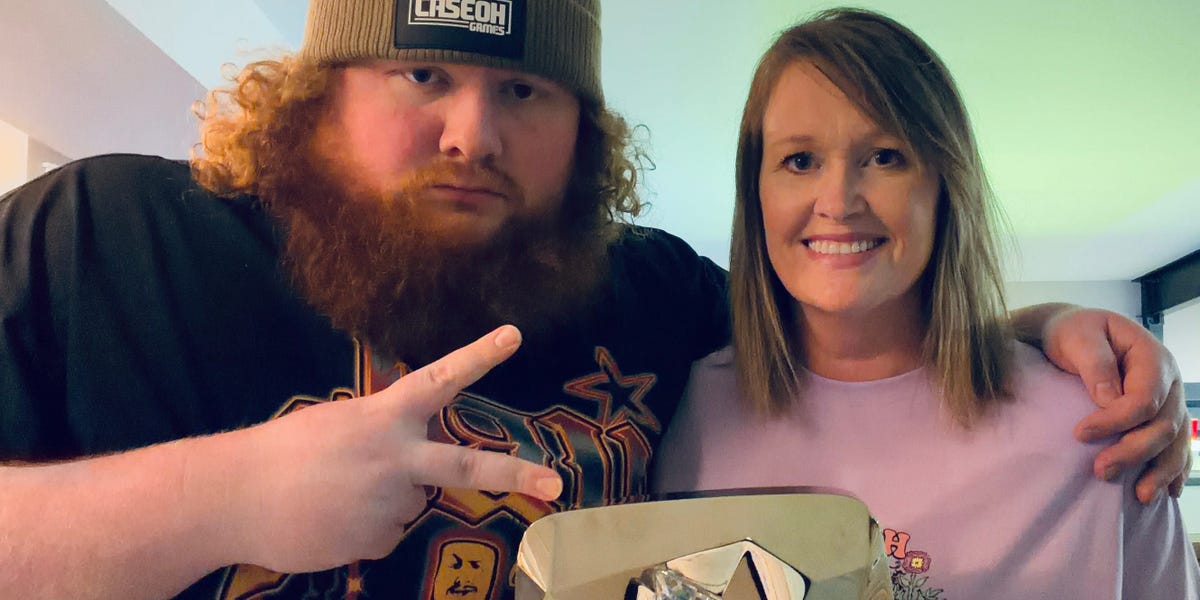
Managing a 10-million subscriber channel like CaseOh requires balancing family dynamics with the professional demands of scaling a digital media business.
Alpha Score of 52 reflects moderate overall profile with strong momentum, poor value, weak quality, moderate sentiment.
The transition from parental guidance to professional management in the creator economy represents a distinct shift in operational risk. When Angie Baker stepped away from her career to oversee the YouTube channel of her son, CaseOh, she moved from a personal support role to managing a digital media entity with 10 million subscribers. This shift highlights the friction between personal relationships and the professional demands of high-volume content production.
The primary challenge in scaling a creator-led business is the professionalization of what often begins as a hobbyist venture. For CaseOh, the rapid growth of his audience necessitated a move toward structured management. This involves more than just scheduling uploads. It requires the oversight of brand partnerships, content strategy, and the logistical demands of maintaining a consistent output for a massive, active subscriber base. The difficulty of maintaining a professional boundary while managing a family member is a common hurdle in the creator economy, where the product is the individual's personality.
Managing a channel with 10 million subscribers requires a shift in focus from content creation to audience retention and brand sustainability. The business model for top-tier YouTubers is increasingly reliant on diversification, moving beyond simple ad revenue into merchandise, sponsorships, and platform-specific integrations. When a family member manages this process, the stakes for the business are tied directly to the health and longevity of the creator. This creates a unique management dynamic where the line between personal well-being and business performance is blurred.
For those observing the creator economy as a sector of the broader stock market analysis, the professionalization of channels like CaseOh is a leading indicator of how digital media is evolving. As creators reach these scale levels, they effectively become small-to-mid-sized media companies. The transition from individual creator to managed entity is often the point where institutional capital or professional management firms begin to take notice. The ability to maintain growth while navigating the complexities of family-led management is a key test for the long-term viability of these channels.
The decision point for creators at this scale is whether to remain a family-run operation or to integrate third-party management and production resources. As the business grows, the need for specialized legal, financial, and marketing talent increases. The transition from a parent-managed model to a professionalized corporate structure is often the next logical step to mitigate the risks associated with burnout and platform volatility. Observers should track how these creators diversify their revenue streams and whether they choose to bring in outside operational expertise to sustain their growth trajectories in an increasingly crowded digital landscape.
AI-drafted from named sources and checked against AlphaScala publishing rules before release. Direct quotes must match source text, low-information tables are removed, and thinner or higher-risk stories can be held for manual review.