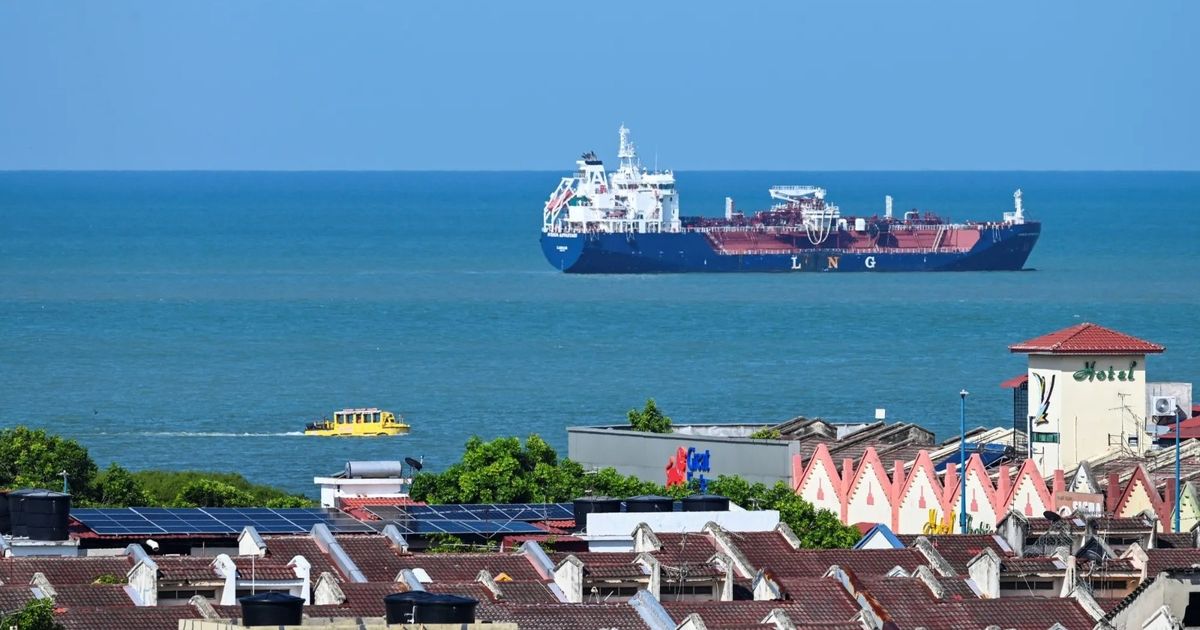
Malacca Strait Transit Fee Proposal Strains Regional Logistics Outlook

A diplomatic rift between Indonesia and Singapore over proposed transit fees in the Strait of Malacca threatens to disrupt global shipping logistics and increase operational costs for international trade.
Alpha Score of 55 reflects moderate overall profile with moderate momentum, moderate value, moderate quality. Based on 3 of 4 signals — score is capped at 90 until remaining data ingests.
Alpha Score of 58 reflects moderate overall profile with moderate momentum, moderate value, moderate quality, moderate sentiment.
Alpha Score of 45 reflects weak overall profile with strong momentum, poor value, poor quality, weak sentiment.
Alpha Score of 47 reflects weak overall profile with moderate momentum, poor value, moderate quality. Based on 3 of 4 signals — score is capped at 90 until remaining data ingests.
A fundamental disagreement between Indonesian and Singaporean officials regarding the implementation of transit fees in the Strait of Malacca has introduced new uncertainty into global maritime logistics. The proposal, which seeks to levy charges on vessels navigating one of the world's busiest shipping lanes, challenges the long-standing status quo of free passage that has underpinned regional trade efficiency for decades. As a primary artery for energy and containerized goods moving between Asia and the West, any shift in the cost structure of this waterway carries direct implications for global supply chain overhead.
Regional Logistics and Trade Flow Disruptions
The Strait of Malacca serves as the primary conduit for a significant portion of global trade, including energy shipments destined for major East Asian economies. Indonesia's push for transit fees is framed as a mechanism to fund maritime security and environmental maintenance within its territorial waters. Conversely, Singapore maintains that the imposition of such fees threatens the predictability of international shipping lanes and could incentivize carriers to seek alternative, albeit less efficient, routes. This divergence creates a complex environment for logistics firms that rely on the stability of these transit corridors to manage fuel costs and delivery timelines.
For multinational corporations, the potential for new transit costs introduces a variable that could impact operational margins. The debate highlights the tension between sovereign control over territorial waters and the international interest in maintaining frictionless global trade. Should the proposal gain traction, shipping lines may be forced to recalibrate their route planning, potentially impacting the stock market analysis of global logistics and energy transport providers.
Economic Impact on Maritime Infrastructure
The debate over transit fees is not merely a diplomatic friction point but a signal of shifting priorities in regional infrastructure management. Indonesia's focus on cost recovery for maritime safety reflects a broader trend of nations seeking to monetize the strategic value of their geographic assets. Singapore's resistance underscores the importance of maintaining competitive port and transit environments to preserve its status as a global logistics hub.
- Increased operational costs for global shipping fleets.
- Potential for rerouting traffic to the Sunda or Lombok Straits.
- Heightened regulatory scrutiny on maritime transit agreements.
Investors should monitor the outcome of these discussions as they relate to regional trade policy. While the immediate impact remains confined to diplomatic discourse, the eventual resolution will dictate whether the Strait remains a cost-neutral passage or becomes a priced asset for commercial shipping. The next concrete marker to watch is the formalization of any joint maritime committee meetings or bilateral trade summits where these transit protocols are scheduled for review. These sessions will determine if the proposal is integrated into a regional framework or if the status quo of free transit is reaffirmed through new multilateral agreements.
AI-drafted from named sources and checked against AlphaScala publishing rules before release. Direct quotes must match source text, low-information tables are removed, and thinner or higher-risk stories can be held for manual review.