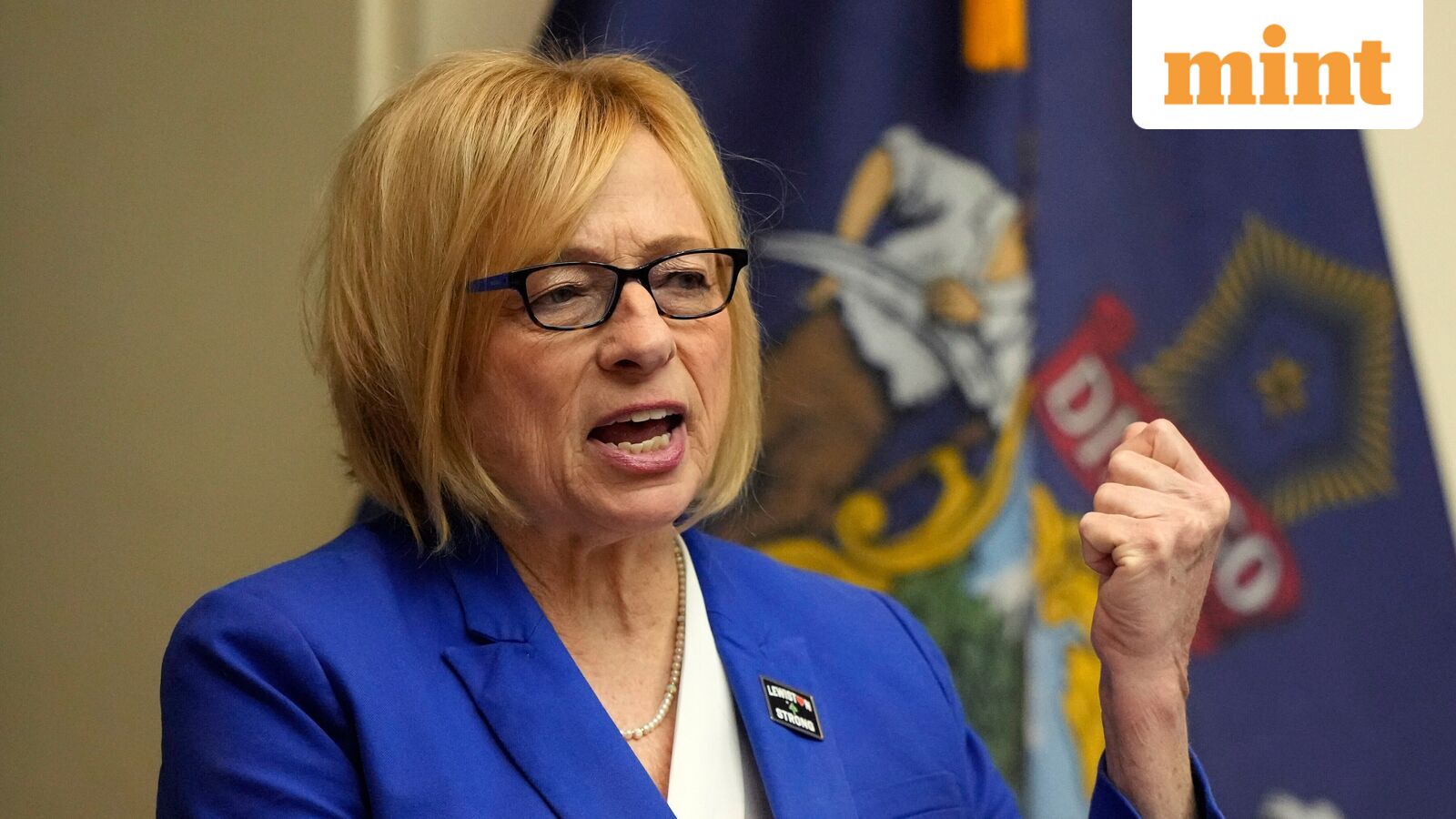
Maine Governor Janet Mills announced her withdrawal from the upcoming Senate race on Thursday, citing an inability to secure the necessary campaign funding to mount a competitive challenge against incumbent Republican Senator Susan Collins. This decision effectively removes a high-profile Democratic contender from the ballot, shifting the strategic landscape of the contest. The exit leaves Graham Platner, a former Marine and oysterman, as the primary challenger for the seat.
Impact on Maine Political Dynamics
The departure of a sitting governor from a federal race often signals a recalibration of party resources and priorities. By stepping aside due to funding constraints, Mills has consolidated the Democratic path behind Platner. This transition forces a change in how the opposition organizes its campaign infrastructure. The focus now shifts to whether a candidate with a non-traditional background can bridge the fundraising gap that proved insurmountable for the incumbent governor.
Strategic Implications for the Senate Seat
Senator Susan Collins has long maintained a distinct position within the Republican caucus, often serving as a key swing vote on critical legislation. The entry of a new challenger like Platner introduces a different set of variables for voters who have historically weighed the senator's moderate reputation against national party trends. The campaign will now likely pivot toward defining the challenger's platform in the absence of the name recognition and administrative record that Mills would have brought to the race.
Market participants often monitor shifts in state-level political control and federal representation to gauge potential changes in regional policy, infrastructure spending, or regulatory environments. While this specific race is localized, the outcome carries weight for the broader balance of power in the Senate. Investors often look for stability in legislative outcomes to model long-term fiscal projections. For those tracking the intersection of policy and economic outcomes, demographic shifts and the economic calculus of household formation remain critical factors in understanding how regional political changes influence broader state economic health.
AlphaScala Data and Market Context
While this political shift is specific to Maine, it highlights the broader volatility inherent in electoral cycles. AlphaScala currently tracks various sectors with mixed outlooks, including RACE stock page at 46/100, NOW stock page at 51/100, and ON stock page at 45/100. These scores reflect the current sentiment across consumer and technology sectors, which can be sensitive to shifts in federal policy and fiscal priorities.
The next concrete marker for this race will be the upcoming campaign finance filings. These documents will reveal whether the Democratic party can successfully pivot its donor base toward Platner or if the funding shortfall that sidelined the governor persists as a structural hurdle for the campaign. Observers will also look for polling data following the transition to determine if the change in candidate alters the baseline support levels for the incumbent.