Stocks● Neutral
Maharashtra's ₹24,300 Crore Welfare Leak Threatens Bonds
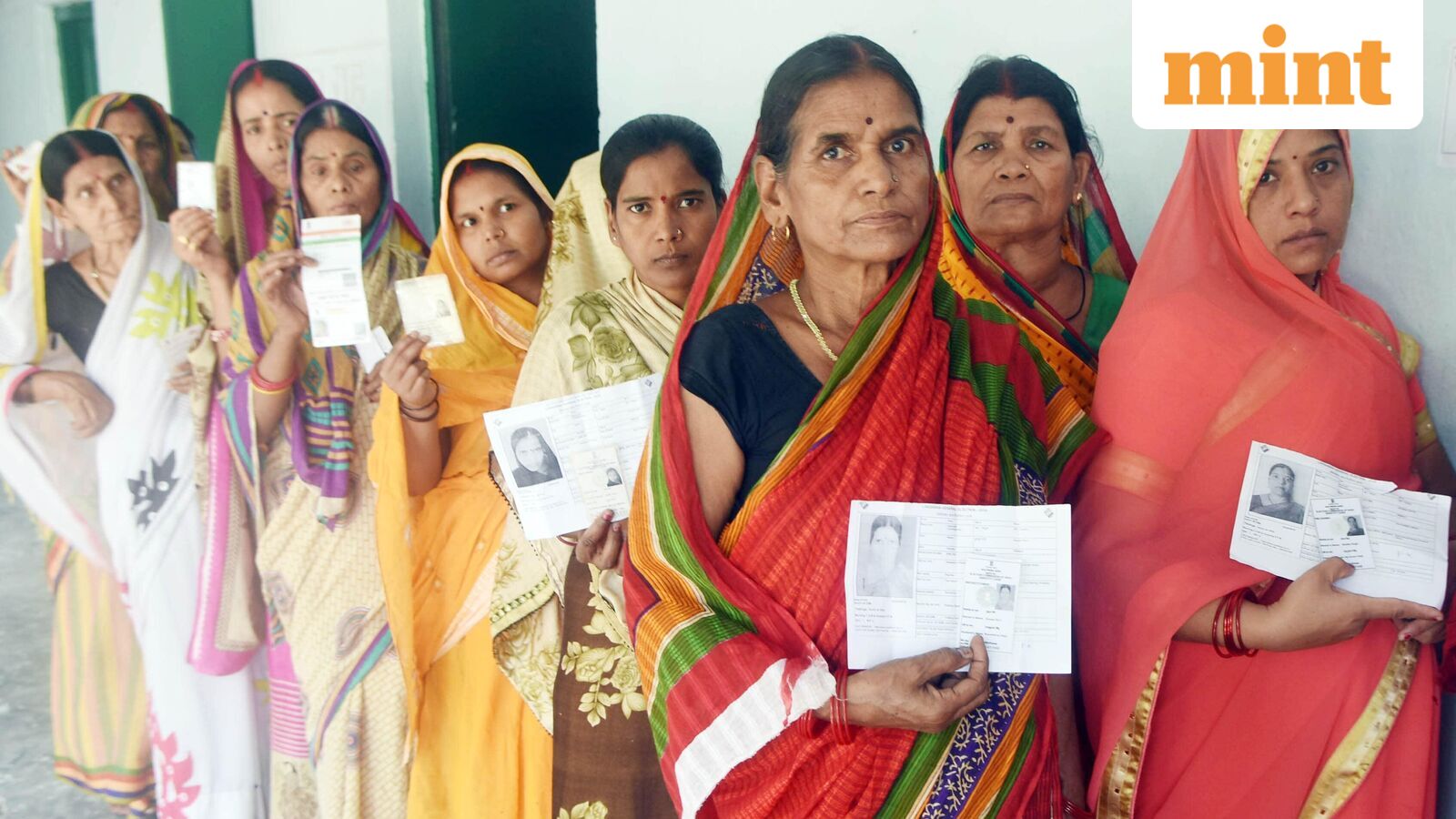
Self-certification before Maharashtra polls allowed ₹24,300 crore in ineligible welfare payments. Bond market now pricing state fiscal risk.
Continue with
The Maharashtra government faces a potential ₹24,300 crore fiscal hole after an e-KYC verification found roughly 80 lakh women ineligible under the Mukhyamantri Majhi Ladki Bahin Yojana. The opposition NCP (Sharadchandra Pawar) alleges the state paid benefits to ineligible recipients before the November 2024 assembly elections.
The simple read: a welfare scheme verification lag. The better market read: a test of fiscal credibility for India’s largest state economy, with direct implications for Maharashtra State Development Loan (SDL) spreads, INR sentiment, and the political risk premium on state-level governance.
The Self-Certification Gap: ₹24,300 Crore in Question
The scheme, launched in August 2024, provided ₹1,500 per month to women aged 21–60 with an annual family income below ₹2.5 lakh. Beneficiaries were allowed to self-certify eligibility. Chief Minister Devendra Fadnavis admitted this approach was taken because many applicants lacked time to submit documents before the election.
What the e-KYC revealed
The state initiated a mandatory e-KYC process with an April 30 deadline. Results:
- Total beneficiaries dropped from 2.47 crore to about 1.70 crore.
- Ineligible recipients included 14,000 men, 5 lakh government employees, 10 lakh income-tax payers, and 5 lakh vehicle owners.
- Errors in KYC details of about 25 lakh women were corrected.
NCP (SP) spokesperson Mahesh Tapase claimed the government “deliberately bypassed the necessary verification process with the intention of influencing voters before the elections.” He estimated the financial loss at ₹24,300 crore.
Fadnavis countered that the government never excluded eligible women–only those who failed to complete KYC or were clearly ineligible. He assured that 1.70 crore eligible women will continue receiving benefits and the scheme will not be discontinued.
Fiscal Credibility: Maharashtra SDL Spread at Risk
Maharashtra contributes roughly 14% to India’s GDP. A fiscal shock of ₹24,300 crore represents about 1.2% of the state’s annual budget expenditure (estimated at ₹6.2 lakh crore for FY2025-26).
State bond pricing mechanism
State Development Loans (SDLs) trade at a spread over central government securities. The spread reflects perceived credit quality, fiscal discipline, and political stability. A sustained controversy could widen the 10-year Maharashtra SDL yield versus the benchmark 7.18% GS 2033 by 5–10 basis points. Traders monitor this spread as a proxy for state-level fiscal risk.
Recovery rate is the key variable
If the state can claw back even a portion of the ₹24,300 crore, the fiscal damage is contained. Fadnavis has not provided a recovery plan. The opposition demands a Joint Parliamentary Committee investigation and compensation from the ruling alliance.