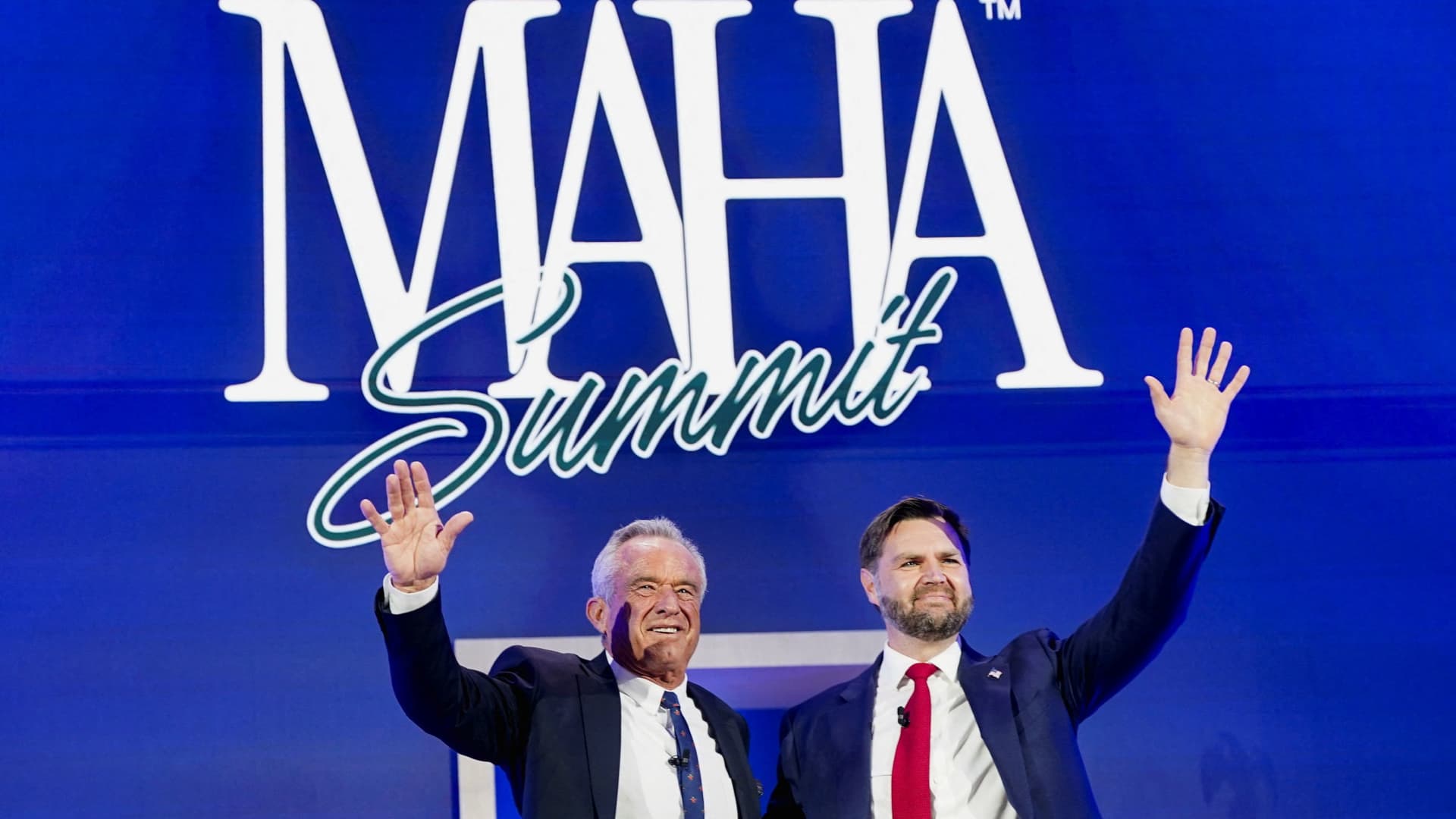
The Make America Healthy Again (MAHA) movement, led by Secretary of Health and Human Services Robert F. Kennedy Jr., has entered a period of acute policy friction. The movement's core agenda is currently colliding with both Supreme Court proceedings and the drafting of the upcoming farm bill. This legislative and judicial pressure tests the durability of the alliance between MAHA proponents and the broader Republican congressional majority.
Judicial Scrutiny and Regulatory Authority
The Supreme Court's recent engagement with health-related regulatory mandates places the MAHA platform in a precarious position. By challenging the scope of executive agency authority, the court is effectively narrowing the operational runway available to the Department of Health and Human Services. This creates a direct conflict between the administration's stated goals of systemic health reform and the judiciary's push for administrative restraint.
If the court limits the ability of federal agencies to enforce broad health standards, the MAHA agenda faces a significant bottleneck. The movement relies on the assumption that executive power can be leveraged to overhaul food safety and pharmaceutical oversight. A ruling that constrains this authority forces the movement to pivot toward legislative solutions, where it currently lacks a unified coalition of support.
Farm Bill Negotiations and Subsidy Realignment
The farm bill serves as the second major theater of conflict. MAHA advocates are pushing for a fundamental shift in agricultural subsidies, aiming to prioritize nutrient-dense crops over the commodity staples that have dominated federal support for decades. This objective is directly at odds with the traditional Republican base, which remains heavily invested in the current subsidy structure for corn, soy, and wheat.
This tension highlights a growing divide within the party's economic platform. While the administration seeks to align health outcomes with agricultural policy, congressional leaders are prioritizing the stability of rural economies and existing supply chains. The inability to reconcile these two visions threatens to stall the farm bill, leaving the MAHA movement with limited options to influence food production at the federal level.
AlphaScala Market Context
Market participants are monitoring these developments as they signal potential shifts in regulatory oversight for the food and beverage sector. Investors are currently evaluating the impact of potential changes to agricultural policy on major consumer discretionary firms, including those tracked on our F stock page and JD stock page. As of the latest assessment, Ford Motor Company (F) holds an Alpha Score of 47/100, while JD.com (JD) and Unity Software (U) both maintain scores of 42/100. These metrics reflect a broader environment of uncertainty as policy shifts ripple across sectors.
For those interested in broader stock market analysis, the next critical marker will be the release of the finalized farm bill text. This document will indicate whether the administration has successfully integrated MAHA priorities into the legislative framework or if the movement has been sidelined in favor of traditional agricultural interests. The outcome will likely dictate the pace of regulatory change for the remainder of the fiscal year.