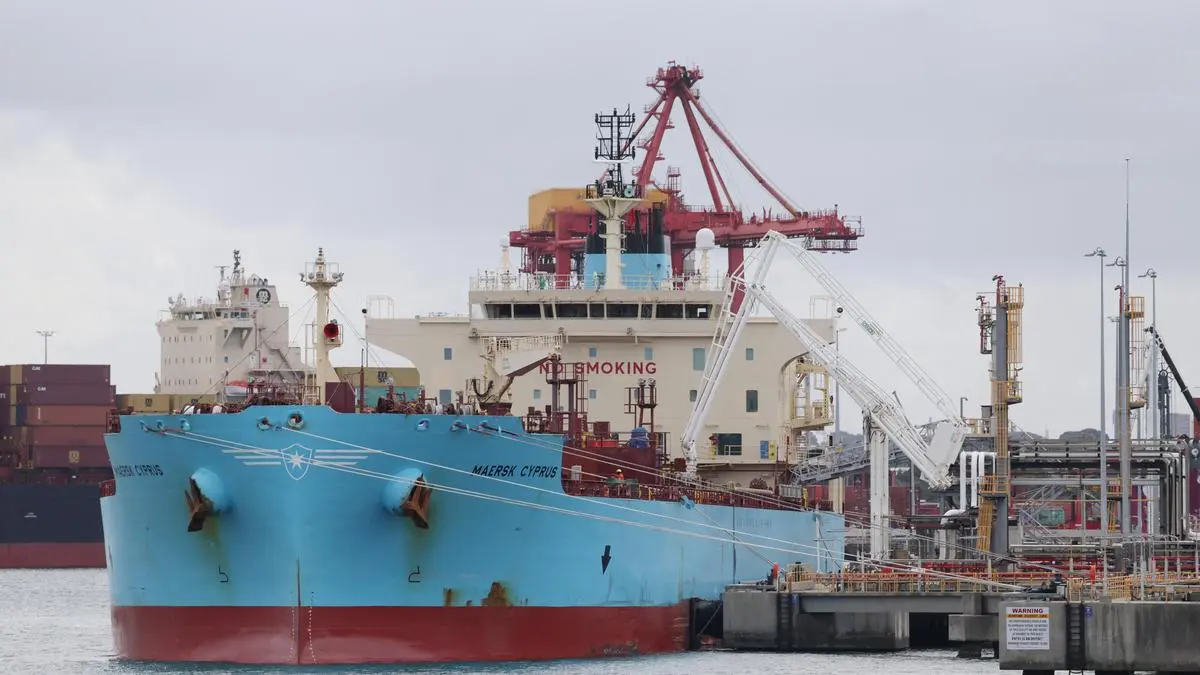
Maersk has implemented an emergency contingency surcharge for cargo moving through the Gulf region, citing persistent security threats near the Strait of Hormuz. This shift in pricing structure reflects the rising operational risks for global shipping lanes as vessels navigate one of the world's most critical energy and trade chokepoints.
Operational Cost Escalation
The introduction of these surcharges signals a direct response to the increased insurance premiums and security measures required to maintain transit schedules in the area. By shifting these costs to shippers, Maersk is attempting to insulate its margins from the volatility associated with regional maritime instability. This move forces businesses to reevaluate their landed costs for goods moving into and out of the Gulf, potentially impacting supply chain planning for energy-intensive industries.
Sector-Wide Logistics Pressure
The decision by a major carrier like Maersk often serves as a precursor to broader industry adjustments. When one operator formalizes a surcharge to address geopolitical risk, competitors frequently follow suit to protect their own balance sheets. This creates a ripple effect across the logistics sector, where the cost of moving freight is increasingly tied to the physical security of the route rather than just fuel or demand-side factors.
AlphaScala currently tracks various market segments, including the technology and consumer cyclical sectors, where companies like ON Semiconductor Corporation (ON stock page) and Amer Sports, Inc. (AS stock page) face their own unique supply chain pressures. While these firms operate in different verticals, the broader stock market analysis suggests that logistics costs remain a persistent variable for global trade efficiency.
The Path to Normalization
The next concrete marker for this situation will be the duration of these surcharges and whether other major shipping lines adopt similar emergency pricing structures. If the security environment around the Strait of Hormuz remains elevated, these temporary fees risk becoming a structural component of freight pricing. Market participants should monitor upcoming quarterly logistics updates for evidence of volume shifts or further surcharges that could indicate a sustained increase in global trade friction.