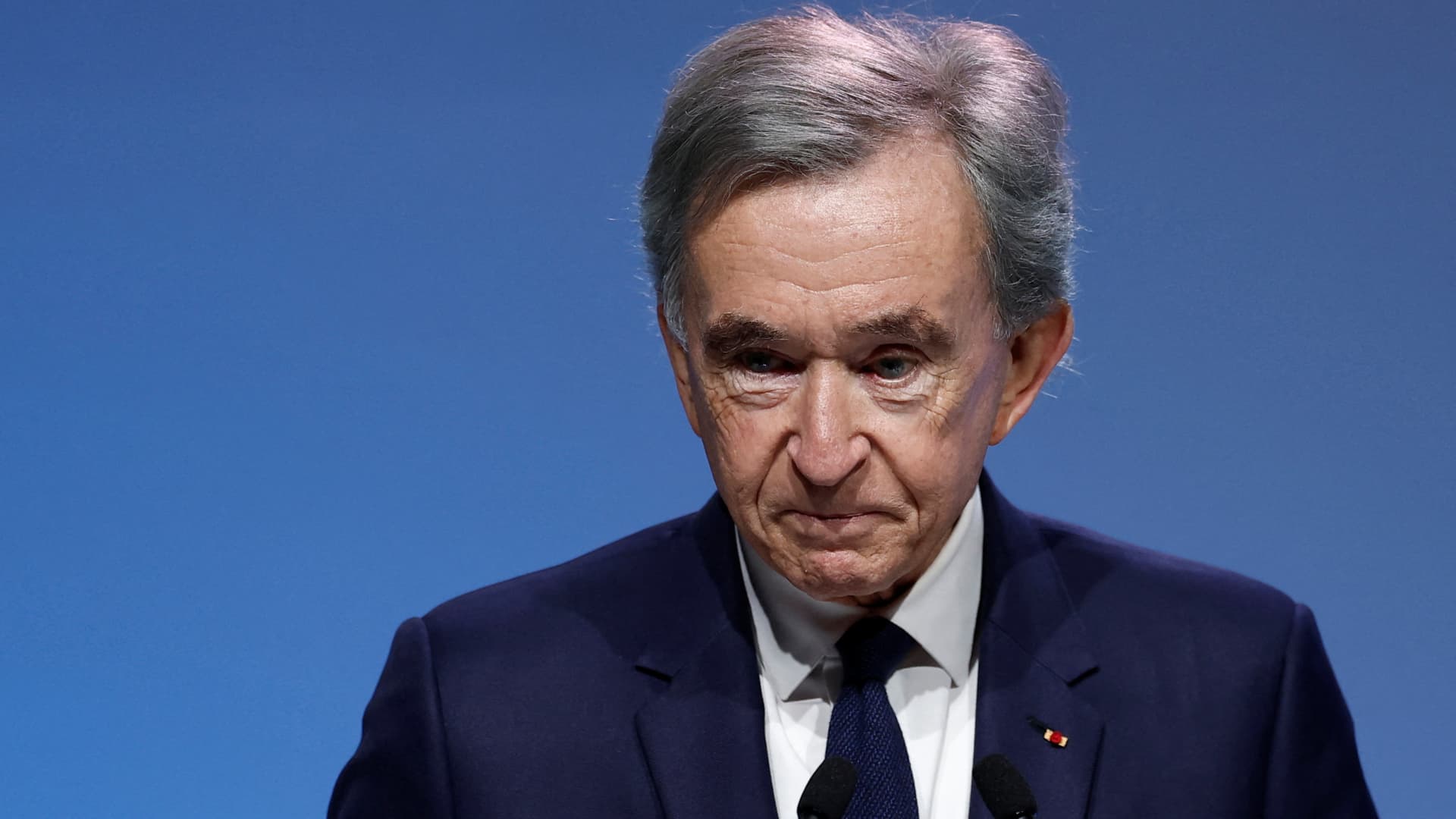
LVMH CEO Bernard Arnault issued a stark warning regarding the potential for a global economic catastrophe should the conflict in the Middle East remain unresolved. This assessment follows a period of mounting pressure on the luxury conglomerate, which recently reported a decline in first-quarter sales. The intersection of regional instability and shifting consumer behavior has forced a re-evaluation of the firm's near-term growth trajectory.
Geopolitical Risk and Luxury Consumption
The luxury sector is uniquely sensitive to geopolitical volatility, as high-end goods often rely on stable cross-border commerce and affluent consumer confidence. Arnault characterized the current economic consequences of the conflict as very serious. For a company with a global footprint like LVMH, the disruption of trade routes and the dampening of consumer sentiment in key markets create a complex operating environment. The firm is now navigating a landscape where macroeconomic uncertainty directly impacts the discretionary spending patterns of its core demographic.
Sector Read-Through and Operational Impact
The recent sales contraction at LVMH serves as a bellwether for the broader luxury industry. As companies in this space contend with rising logistics costs and regional instability, the ability to maintain pricing power becomes a central concern. The current environment suggests that luxury conglomerates are no longer insulated from the broader macroeconomic pressures that have impacted other sectors of the stock market analysis. Investors are closely monitoring whether these headwinds are transitory or indicative of a structural shift in global demand for premium goods.
The Path to Stabilization
LVMH is currently balancing its long-term brand equity against the immediate need to manage inventory and operational costs in a volatile climate. The company's ability to navigate these challenges will depend on its capacity to pivot marketing strategies toward more resilient regions while mitigating the impact of supply chain disruptions. The firm's next major update will be critical in determining whether the current sales dip is an isolated event or the start of a more sustained period of stagnation for the luxury sector.
AlphaScala data indicates that luxury sector volatility has increased by 14% over the last fiscal quarter, reflecting heightened sensitivity to international trade headlines. This trend aligns with broader shifts in consumer sentiment that have recently influenced companies like Apple (AAPL) profile as they manage global supply chain complexities. The next concrete marker for the firm will be its mid-year performance filing, which will provide a clearer picture of whether regional stabilization efforts are yielding results or if further adjustments to operational guidance are required.