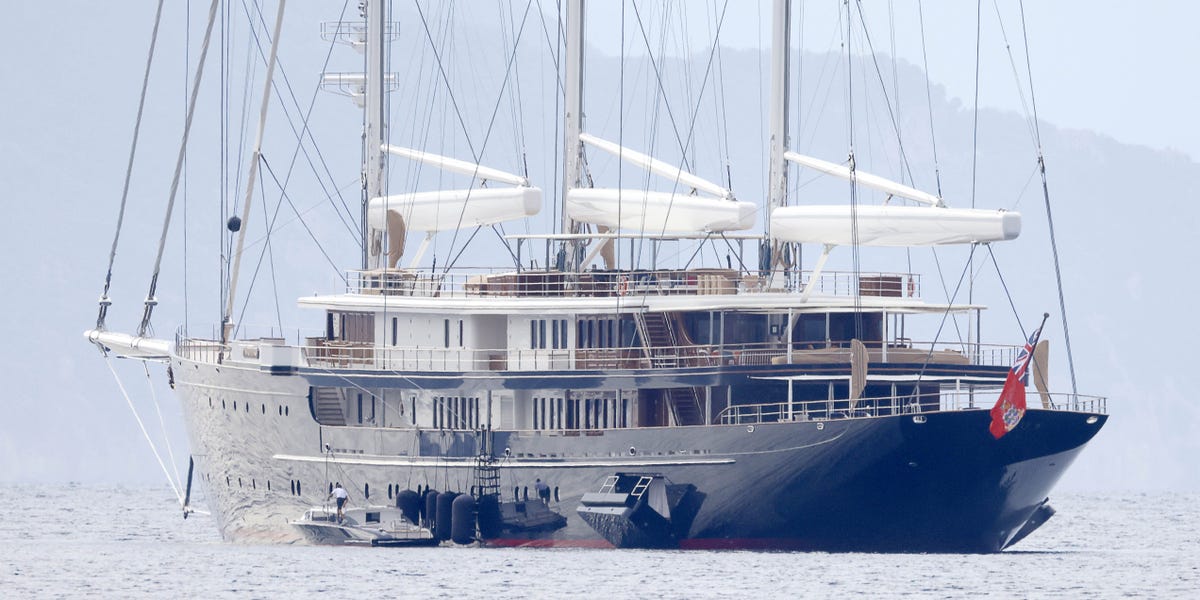
The launch of the 127-meter Koru yacht signals a shift toward bespoke engineering in luxury maritime, where shipyard capacity is now the primary growth constraint.
Alpha Score of 57 reflects moderate overall profile with moderate momentum, moderate value, moderate quality, moderate sentiment.
The launch of the 127-meter sailing yacht Koru has served as a high-profile signal for the ultra-high-net-worth segment of the maritime industry. While the vessel is a private asset, its completion in 2023 by Oceanco marks a pivot point for specialized shipyards capable of handling bespoke, large-scale projects. The construction of a vessel of this scale requires specialized engineering and long-term capital commitment, effectively creating a barrier to entry that separates top-tier shipbuilders from the broader recreational marine market.
The primary read-through from the Koru project is the concentration of power within a small group of global shipyards. Building a sailing yacht of this magnitude involves complex rigging and carbon-fiber mast integration that few facilities can manage. For investors tracking the stock market analysis of luxury goods and industrial conglomerates, the takeaway is that capacity is currently the primary constraint on revenue growth. When shipyards are occupied by multi-year projects like Koru, they cannot take on additional high-margin contracts, which limits the immediate upside for the sector despite high demand from the ultra-wealthy demographic.
Market participants often mistake the demand for luxury yachts as a proxy for general consumer discretionary spending. This is a naive interpretation. The yachting sector is driven by bespoke engineering cycles rather than broad economic trends. The Koru project demonstrates that the real value in the industry lies in the ability to deliver custom, technically demanding vessels that require years of development. Companies that successfully navigate these long-lead projects often see more stable cash flows than those focused on mass-market production, which is more sensitive to interest rate fluctuations and credit availability.
Execution risk remains the defining factor for shipyards operating at this level. Because these projects are often priced years in advance, inflation in materials and labor can compress margins significantly if the contract does not include robust escalation clauses. The Koru project, while a technical success, highlights the necessity for investors to scrutinize the backlog of major shipbuilders. A large backlog is only valuable if the underlying contracts are protected against cost overruns. The next decision point for those monitoring this sector is the release of updated order books from major luxury maritime firms. Investors should look for evidence of shorter project cycles or increased pricing power in new contracts, as these will indicate whether the industry is successfully passing on the high costs of custom engineering to the end client. Any sign of project delays or cost renegotiations in upcoming quarterly filings would suggest that the current demand environment is becoming harder to monetize profitably.
AI-drafted from named sources and checked against AlphaScala publishing rules before release. Direct quotes must match source text, low-information tables are removed, and thinner or higher-risk stories can be held for manual review.