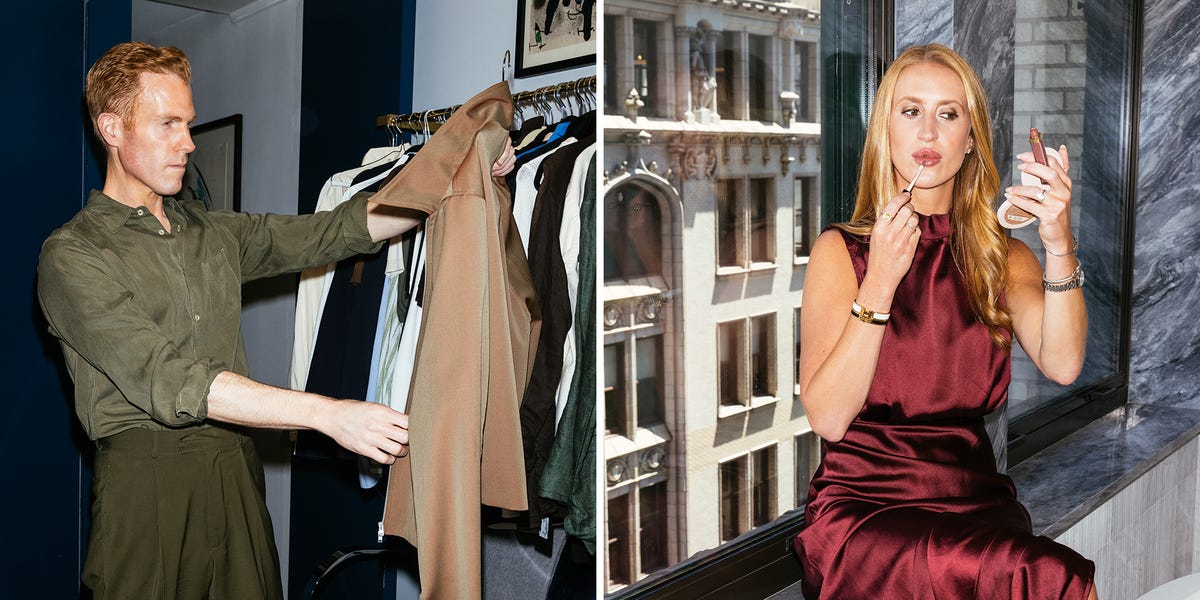
Luxury real estate agents spent thousands of dollars on Botox, skincare treatments, and designer clothes last year, a recent report found. The spending is meant to project the aspirational lifestyle wealthy clients expect.
Ashley Reidy Quinn, an agent quoted in the piece, said the pressure to look the part is constant. "There's no room for error," she said. First impressions matter in a business where homes sell for millions.
The outlays go well beyond simple grooming. Cosmetic procedures like Botox and dermal fillers are routine. High-end skincare regimens cost hundreds per month. Wardrobes from luxury houses like Chanel and Gucci run into five figures. Agents treat these as career expenses, not personal indulgences.
For investors, the pattern offers a window into consumer behavior at the top of the income pyramid. The willingness to spend heavily on appearance suggests demand for premium beauty and fashion products remains strong. Medical aesthetics companies, luxury skincare brands, and high-end apparel makers all benefit. The medical aesthetics industry has grown steadily. Botox and fillers are now routine for many professionals, not just celebrities. Luxury fashion houses have reported resilient demand from aspirational buyers, even as broader retail spending has softened.
A skeptic might ask whether this is a sustainable trend. The logic is straightforward. When average luxury home prices top $5 million, a few thousand dollars on appearance is a small price for a competitive edge. Agents compete for listings and clients who equate personal polish with professional capability.
Quinn described the calculus this way. "Clients want to see that you're successful. If you show up looking tired or frumpy, they assume you're not making deals." She budgets for monthly Facials, Botox twice a year, and a rotating wardrobe of investment pieces.
The report did not name specific brands or quantify the total market. It aligned with broader growth in medical aesthetics and luxury goods. The U.S. aesthetic market alone was worth roughly $10 billion in recent years, and luxury fashion has posted steady gains.
The next data point to watch is earnings from companies like AbbVie's Allergan Aesthetics unit, Estée Lauder, and LVMH. If their U.S. results show continued strength, the agent-spending thesis gains credibility. A pullback would suggest the trend is narrower than it appears.