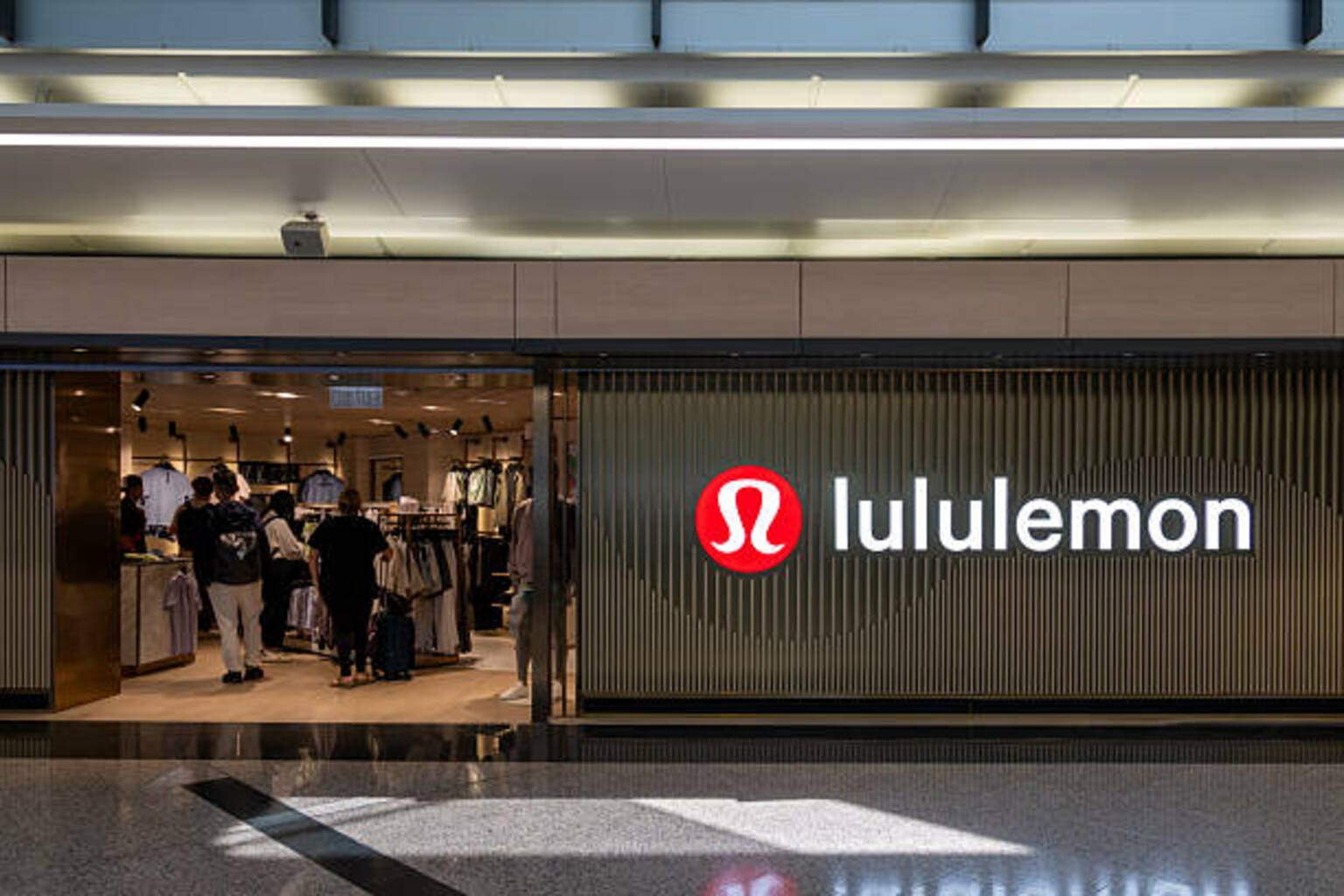
Lululemon Athletica has transitioned from a high-growth market darling to a complex turnaround narrative as the company navigates shifting consumer demand and internal operational adjustments. The current market pricing reflects a significant departure from the premium multiples historically assigned to the brand, forcing a reevaluation of the company's long-term growth trajectory. This shift in sentiment follows a period of cooling sales momentum that has pressured the stock price and invited increased scrutiny regarding the firm's ability to maintain its competitive moat in the premium activewear space.
Operational Efficiency and Balance Sheet Strength
The core of the current investment thesis rests on the company's financial foundation, which remains characterized by a lack of long-term debt. This liquidity profile provides the firm with significant flexibility to manage inventory levels and fund marketing initiatives without the immediate pressure of interest obligations. For investors, the absence of leverage serves as a buffer against broader stock market analysis volatility, though it does not insulate the company from the fundamental challenges of sustaining margin expansion in a saturated retail environment.
Recent developments suggest that the company is prioritizing internal restructuring to align its product pipeline with current consumer preferences. The focus has moved toward optimizing supply chain logistics and refining the inventory mix to reduce reliance on heavy discounting. These operational changes are intended to stabilize margins, yet the market remains skeptical until the company demonstrates consistent top-line growth that mirrors its historical performance.
Activist Involvement and Strategic Realignment
The entry of activist investors into the capital structure adds a layer of urgency to the company's strategic planning. This involvement typically signals a push for more aggressive capital allocation policies or a potential shift in corporate governance to unlock shareholder value. While the specific demands of these stakeholders are still unfolding, their presence often serves as a catalyst for management to accelerate cost-cutting measures or reconsider the current pace of store expansion.
AlphaScala data indicates that the current valuation multiple for the company is trading at a notable discount relative to its five-year historical average, suggesting that the market has priced in a prolonged period of stagnant growth. This valuation gap creates a distinct environment for investors who believe the company can successfully execute its turnaround plan without sacrificing brand equity.
The Path to Revaluation
Moving forward, the primary marker for the company's recovery will be the stabilization of its quarterly revenue growth rates. Investors should monitor the upcoming earnings reports for specific evidence of improved inventory turnover and a reduction in promotional activity. These metrics will serve as the primary indicators of whether the current operational pivot is gaining traction or if the brand is facing a more structural decline in consumer relevance.
Beyond internal metrics, the company's ability to defend its market share against emerging competitors in the athleisure sector remains a critical variable. The next major update from management regarding their long-term guidance will be the definitive test of whether the company can return to its status as a growth-oriented market analysis leader or if it must settle into a lower-growth, value-oriented phase of its lifecycle. The resolution of these uncertainties will likely dictate the stock's performance through the next fiscal year.