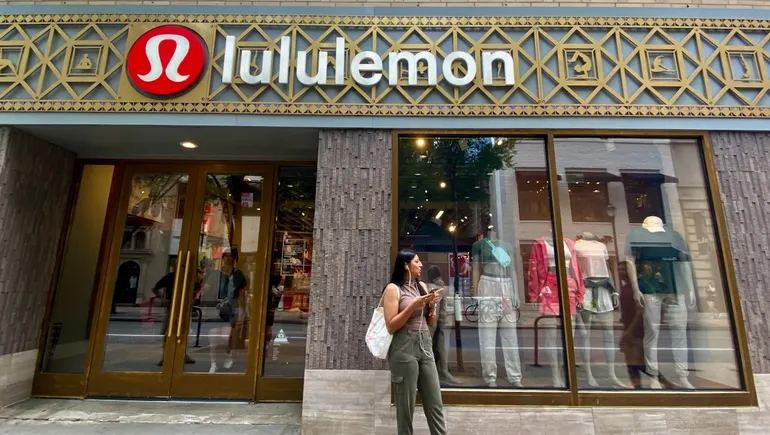
Lululemon has appointed former Nike executive Heidi O’Neill as its new CEO, marking a significant transition for the athletic apparel company. O’Neill, who brings nearly three decades of experience from her tenure at Nike, is scheduled to assume the role in September. This leadership change follows the departure of Calvin McDonald earlier this year and suggests a deliberate pivot toward deep-rooted performance retail expertise.
Operational Continuity and Performance Focus
The selection of a long-term industry veteran indicates that Lululemon intends to prioritize operational stability while navigating a competitive landscape. O’Neill’s background at a global sportswear giant suggests a focus on scaling supply chains and refining brand positioning in the premium activewear segment. By bringing in a leader with extensive experience in product innovation and market expansion, the board appears to be preparing for a phase of intensified growth in international markets.
This transition arrives as the retail sector faces ongoing pressure to balance inventory management with evolving consumer demand. The shift in leadership is likely to influence how the company approaches its direct-to-consumer strategy and its expansion into footwear and performance gear. Investors will be monitoring whether this change results in a departure from the company’s traditional focus on community-based retail or a reinforcement of its core technical apparel identity.
Sector Read-through and Competitive Positioning
The move creates a direct link between Lululemon’s future trajectory and the historical strategies employed by major competitors. As the company integrates leadership from a firm like NKE, which currently holds an Alpha Score of 32/100, the market will assess whether the new CEO can replicate successful scaling models while maintaining the brand equity that has defined Lululemon’s premium status. The broader stock market analysis suggests that retail firms are increasingly prioritizing seasoned operational leaders to navigate margin volatility.
For those tracking the broader consumer discretionary space, this appointment serves as a benchmark for how established brands attempt to revitalize their executive ranks. The transition is not merely a change in personnel but a signal of intent regarding the company’s long-term product roadmap. The following factors remain critical for the next phase of the company’s evolution:
- The integration of new leadership into existing product development cycles.
- The potential realignment of marketing spend toward performance-oriented campaigns.
- The impact of the new CEO’s strategy on international store footprint expansion.
As the company prepares for this transition, the primary marker for success will be the first set of strategic updates provided by O’Neill in the upcoming quarterly filings. These disclosures will clarify whether the company will maintain its current trajectory or if a fundamental shift in operational focus is imminent. The market will look for details on how the new leadership intends to manage the balance between premium pricing power and the need for broader market penetration in the coming fiscal year.