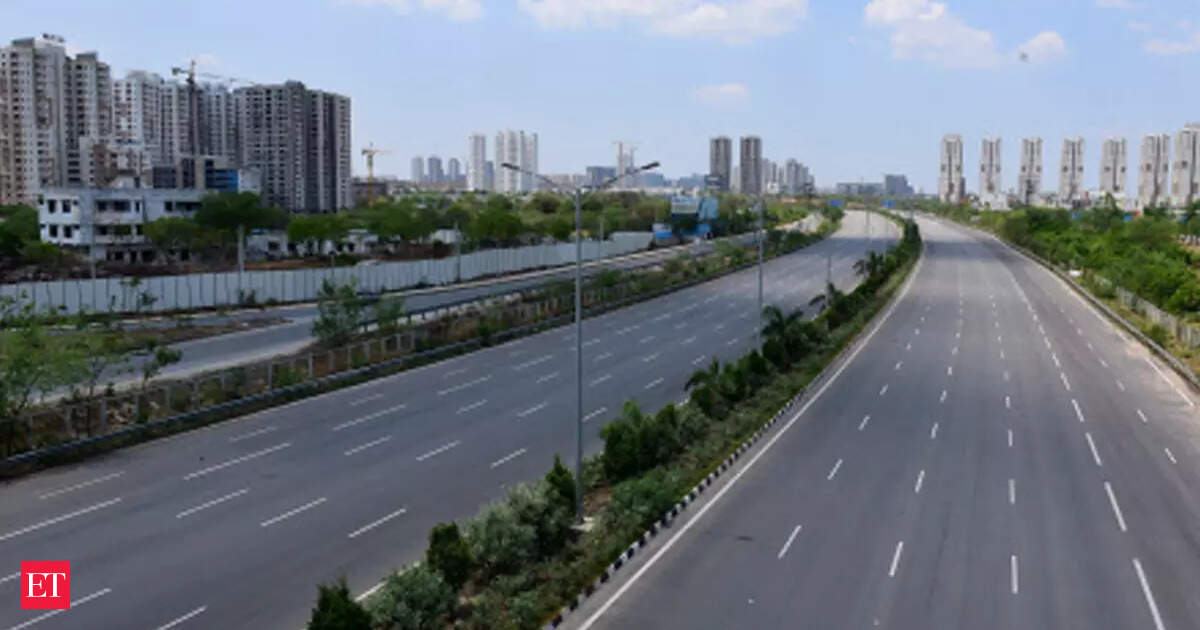
Six-lane expressway connecting Lucknow and Kanpur opens May 24. Travel time drops from 2+ hours to 45 minutes. Toll rates set. Infrastructure sector catalyst.
The Lucknow-Kanpur Expressway, a six-lane project connecting two of Uttar Pradesh's largest cities, is set to open on May 24. The new route will cut travel time from over two hours to roughly 45 minutes, a reduction of nearly two hours. Toll rates for the expressway have already been announced. The opening date gives investors a concrete timeline to watch for traffic volume data and toll revenue collection in the weeks following launch.
The expressway is part of the government's broader highway expansion program. By cutting travel time and improving freight movement, the project is expected to boost regional economic activity and support industrial growth along the corridor. The May 24 opening date marks a clear catalyst for the Indian infrastructure and toll-road sector. Investors should track early traffic counts and average revenue per vehicle to gauge whether the projected economic uplift materializes.
For infrastructure developers and toll road operators, the Lucknow-Kanpur Expressway represents a test case for execution pace and demand elasticity. The six-lane design and the announced toll rates will set a benchmark for similar projects in the region. A strong start would reinforce confidence in the government's infrastructure pipeline and benefit the broader sector. The National Highways Authority of India (NHAI) sets toll rates and periodically adjusts them. If traffic volumes fall short of projections, revenue may disappoint. Conversely, if the expressway consistently operates near capacity, it could trigger upward rate revisions and attract more private investment into road assets.
The simple read is that faster travel equals economic growth. The better market read focuses on two variables: toll rate revisions and execution risk. Toll rates are subject to periodic adjustments by NHAI. Execution risk is low at this stage since construction is complete. Any delays in ancillary infrastructure (lighting, signage, toll plazas) could affect the initial user experience. Investors should also watch for government announcements on toll rate indexation or new expressway tenders in the same region. A positive data set would support the thesis that India's road infrastructure spending is translating into measurable economic returns.
The next concrete catalyst is the release of first-month traffic data, likely in late June. Investors should monitor early traffic counts and average revenue per vehicle. A strong start would reinforce confidence in the government's infrastructure pipeline and benefit the broader sector. For broader context on infrastructure investing, see our stock market analysis section.
Prepared with AlphaScala editorial tooling from the source reporting linked above. Indexable analysis may include a cited Alpha Score value. Publishing checks screen each story before release. Educational coverage, not personalized advice.