Stocks● Neutral
Lovable CEO: Europe's AI Problem Is Confidence, Not Talent
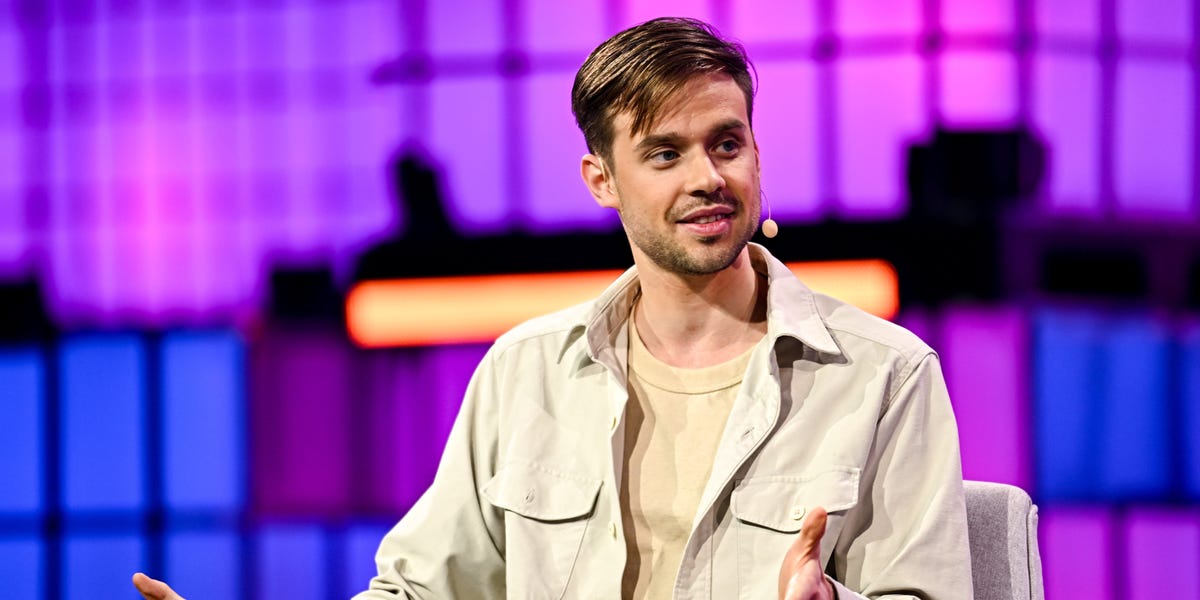
Lovable CEO Anton Osika says Europe's AI founders suffer from a confidence gap, not a talent shortage. Lovable's 200,000 users in six months show the region can compete on quality.
Continue with
Anton Osika, the CEO of AI startup Lovable, posted a blunt take on X this week. European AI startups do not have a talent problem, he argued. They have a confidence problem.
Osika said the region holds plenty of engineers, researchers, and builders capable of producing world-class AI products. The missing ingredient, he wrote, is the belief that such companies can be built outside Silicon Valley. "The talent is here. The ambition is not," Osika said.
He pointed to the concentration of AI PhDs across European universities and the growing number of engineers working at U.S. tech giants' European offices. Those facts, in his view, show the raw material exists. The obstacle is cultural: founders and investors alike default to the assumption that a breakout AI company must be American.
Osika's comments arrive as European venture capital firms push to fund more AI-native startups. Deal activity in European AI startups hit $12.8 billion in 2024, according to Dealroom data, up from $9.1 billion the year before. The region has yet to produce a generative AI company valued above $10 billion. OpenAI, Anthropic, and xAI have each crossed that threshold in the U.S.
Lovable itself offers a test of the thesis. The company builds AI-powered software development tools. It raised a $17 million Series A in March led by Creandum. Its engineering team is based in Stockholm and London. Osika said Lovable's growth – 200,000 users within six months of launch – shows that European startups can compete on product quality, not just cost.