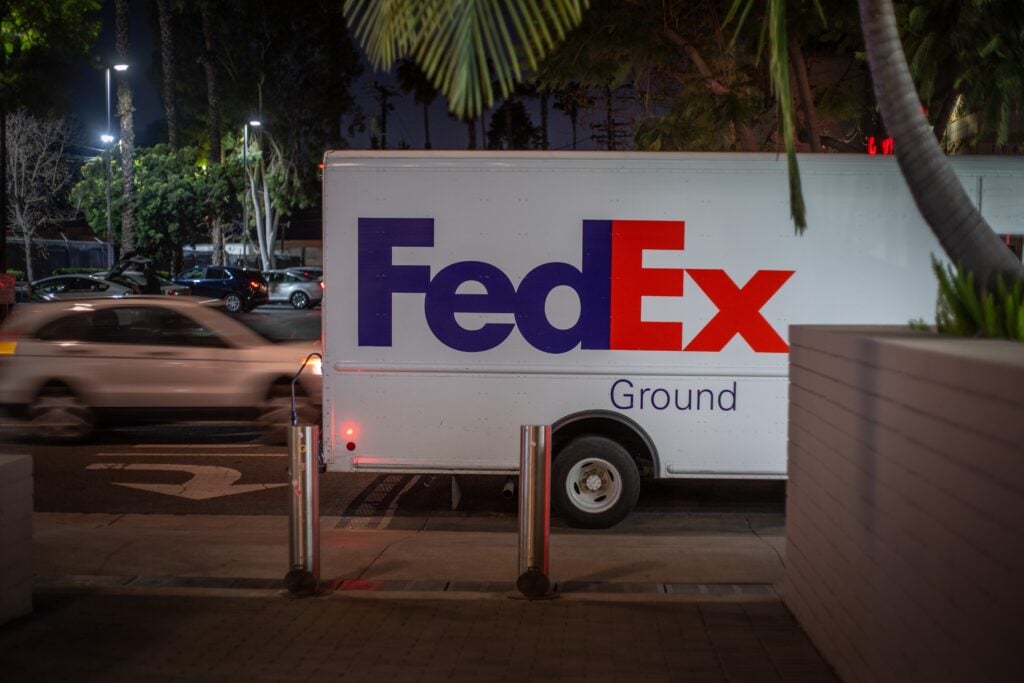
The resolution of a long-standing legal dispute regarding import duties has cleared the path for FedEx and UPS to facilitate the return of billions of dollars in tariff payments to their customers. Court filings indicate that approximately 330,000 importers were subject to more than $166 billion in duties under the contested tariff program. The logistics providers are now positioned to act as conduits for these reimbursements, a process that will likely influence short-term cash flow dynamics for a broad cross-section of the industrial and retail sectors.
Impact on Industrial Cash Flow and Operational Liquidity
The return of these funds represents a significant liquidity event for importers who previously absorbed the costs of the disputed duties. For the logistics sector, the administrative burden of processing these reimbursements will be substantial, though it does not fundamentally alter the underlying demand for shipping services. Instead, the primary transmission mechanism here is the potential for improved working capital positions among the shippers' client bases. As these capital inflows reach the balance sheets of importers, the immediate pressure on supply chain financing may ease, potentially supporting further inventory investment.
AlphaScala data currently monitors the competitive landscape between these two major logistics players. FedEx Corporation (FDX stock page) holds an Alpha Score of 62/100, while United Parcel Service Inc. (UPS stock page) carries an Alpha Score of 61/100, both reflecting a moderate outlook within the industrials sector.
Macroeconomic Linkages and Tariff Policy Sensitivity
This development occurs against a backdrop of heightened sensitivity to trade policy and fiscal shifts. The return of these duties serves as a reminder of the volatility inherent in trade-related cost structures. While the reimbursement process is a corrective measure for past levies, the broader market remains focused on how future trade policy will interact with the current Fiscal Policy Shifts and the Emerging Treasury Supply Outlook. Any sustained change in import costs directly impacts the input prices for manufacturers, which in turn feeds into the broader inflation metrics monitored by the Federal Reserve.
Market participants should observe the following elements as the reimbursement process unfolds:
- The timeline for the distribution of funds to the 330,000 affected importers.
- The potential for these inflows to offset recent cost-of-capital pressures within the retail and manufacturing sectors.
- Any subsequent adjustments to shipping volume forecasts as importers reallocate the returned capital.
As these reimbursements move through the financial system, the focus will shift toward how companies utilize these recovered funds. If the capital is directed toward inventory replenishment or capital expenditure, it may provide a localized tailwind for industrial activity. Conversely, if the funds are used primarily for debt reduction, the impact on broader economic growth may be more muted. The next concrete marker will be the formal communication from the logistics firms regarding the specific distribution schedules and the associated administrative requirements for eligible importers.