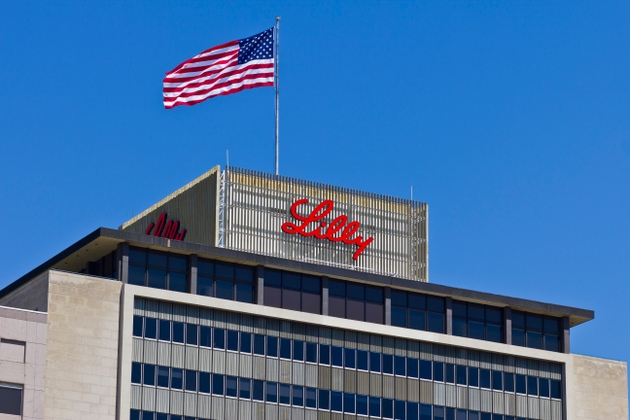
Eli Lilly (LLY) stock is in focus after Swedish biotech AlzeCure Pharma announced a collaboration and licensing agreement to develop an Alzheimer's therapy. The deal carries total potential payments above $1 billion, structured as an upfront sum plus development, regulatory, and commercial milestones.
The partnership centers on AlzeCure's preclinical platform targeting neurotoxic aggregates of amyloid beta and tau proteins – two pathological hallmarks of Alzheimer's disease. Lilly brings its clinical development infrastructure and commercial reach. For Lilly, this is a targeted bet on a second-generation mechanism that could complement its existing Alzheimer's pipeline, which includes donanemab, a monoclonal antibody approved by the FDA in 2024.
The simple read: Lilly is buying access to a novel Alzheimer's asset that could diversify its neurology portfolio. The $1 billion headline number signals confidence in AlzeCure's preclinical data.
The better market read: Alzheimer's drug development is littered with high-profile failures. Preclinical-to-clinical translation is among the riskiest transitions in biotech. The milestone-based structure – rather than a large upfront payment – limits Lilly's downside exposure while securing optionality on a mechanism that addresses both amyloid beta and tau pathology simultaneously. This dual-target approach differentiates AlzeCure's program from most competitors that typically pursue one target. If the therapy clears Phase 1 safety data, Lilly could rapidly expand its neurology revenue base, which currently relies heavily on donanemab for Alzheimer's and Lebrikizumab for atopic dermatitis.
Which Part of the Sector This Affects
The Alzheimer's therapy development ecosystem includes large-cap pharma and mid-cap biotechs with amyloid beta, tau, or neuroinflammation pipelines. Biogen (BIIB) and Eisai remain the most direct peer reference points after their lecanemab launch. Roche and AbbVie have earlier-stage Alzheimer's programs. The Lilly-AlzeCure deal does not invalidate those approaches. It increases the probability that treating both amyloid beta and tau simultaneously becomes the next competitive standard.
For mid-cap biotechs with tau-directed programs – Prothena (PRTA) and AC Immune – the deal could compress valuation timelines if AlzeCure's data reads positively. The opposite is true if the program stalls: tau-targeting peers may face skepticism about the mechanism itself.
How the Deal Economics Stack Up
The $1 billion-plus deal value is structured across development, regulatory, and commercial milestones. Upfront payment details were not disclosed. Typical Alzheimer's deals at this preclinical stage carry single-digit million upfronts against billions in back-end milestones. This structure means:
- Lilly's downside is capped at the upfront cash outlay. If the compound fails in Phase 1 or Phase 2, the remaining milestones never trigger.
- AlzeCure's upside is back-loaded, aligning incentives for aggressive execution but leaving the smaller biotech exposed to Lilly's trial design decisions.
- The effective cost of capital for Lilly is low: the milestone payments only hit if the asset clears specific value-inflection points, making this a low-risk call option.
What Changes for Lilly Investors
Lilly's Alzheimer's franchise already includes donanemab, which generated about $500 million in 2024 sales. The AlzeCure deal does not immediately change that revenue trajectory. What it does is extend the franchise's optionality into a second mechanism class. If donanemab faces pricing pressure or competitive erosion in the monoclonal antibody segment, the AlzeCure asset could provide a pipeline replacement later this decade.
Two risks to watch:
- Toxicity: dual-targeting molecules often carry higher off-target risk. A safety signal in the AlzeCure program would not only kill that asset. It could cast a shadow over other tau-directed programs.
- Execution timeline: Alzheimer's trials take 18–36 months for cognitive endpoint data. Even an accelerated Phase 2/3 design would not produce commercial-stage results until 2028 or later.
The Next Decision Point
The first concrete catalyst is AlzeCure's IND (Investigational New Drug) application, expected within 12 months. Following that, Phase 1 topline safety and biomarker data – likely 18–24 months out – will determine whether the deal's milestone structure activates. Between now and then, Lilly's quarterly earnings calls may provide pipeline updates on the compound's development path.
AlphaScala rates LLY with an Alpha Score of 77 out of 100, placing it in the Strong category within the healthcare sector. The score reflects the company's broad pipeline breadth and commercial execution. The AlzeCure deal adds binary event risk that is not yet priced into the score's base case. For full details, visit the LLY stock page.