Commodities● Neutral
Liberty Gold's Black Pine: A U.S. Oxide Gold Permitting Arbitrage
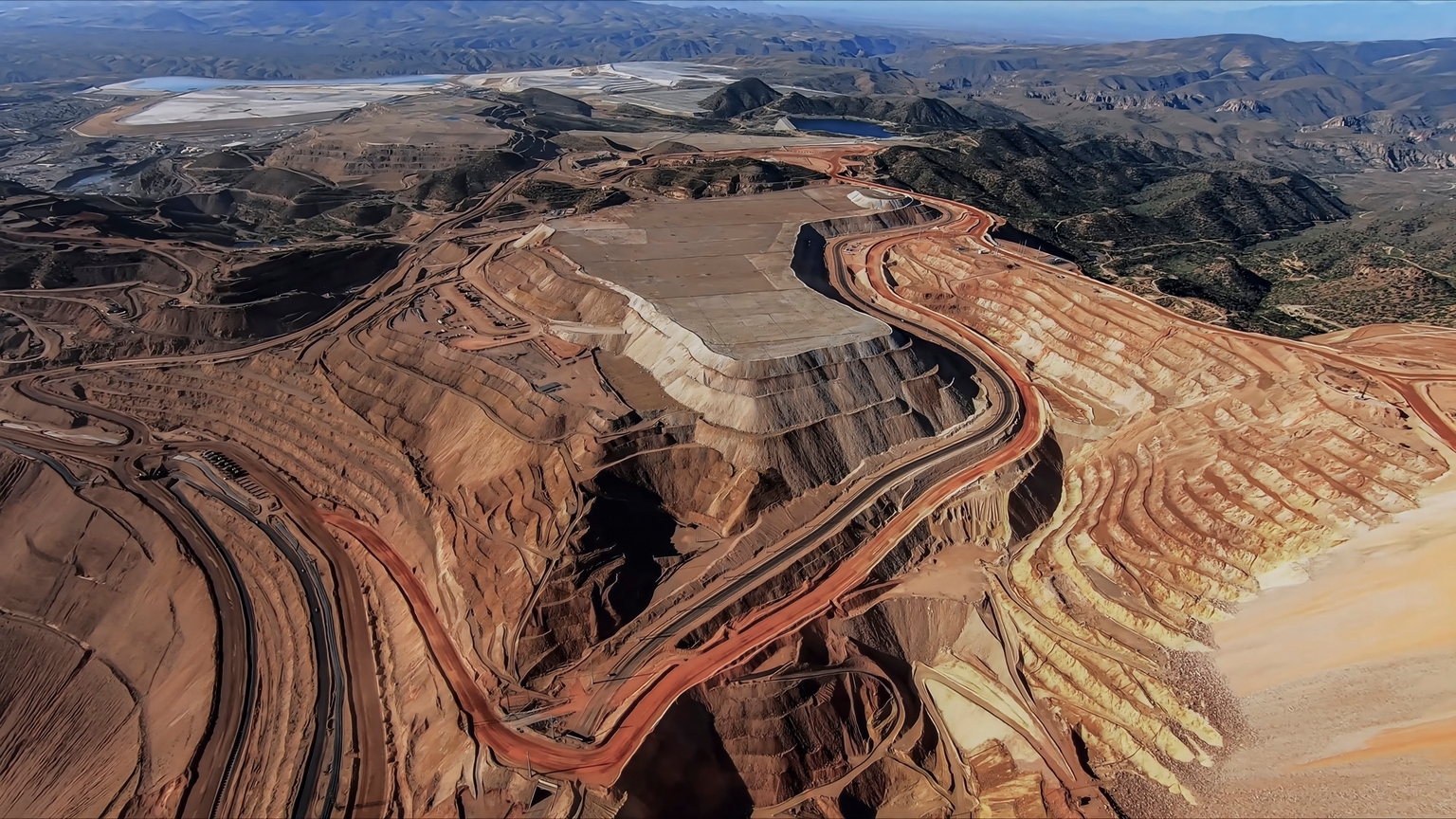
The Plan of Operations filing starts a 12-18 month permitting clock. If approved, Black Pine could produce 90,000 oz/year at $1,100 AISC with $2,000 gold. Draft EIS due Q4 2025.
Continue with
Liberty Gold filed a Plan of Operations with the Bureau of Land Management in February for its Black Pine oxide heap leach project in Idaho. The submission starts a permitting clock that typically runs 12 to 18 months for a project of this size. Black Pine is an open-pit oxide deposit that never went through modern heap leach processing. A 2023 feasibility study outlined a 10-year mine life producing 90,000 ounces a year with all-in sustaining costs near $1,100 an ounce.
The U.S. has few remaining oxide heap leach gold deposits outside of Nevada. Most domestic production comes from deep, refractory ores that need milling, autoclaving, or roasting. Oxide heap leach operations are cheaper to build and permit faster because they avoid cyanide destruction and tailings dam construction. Black Pine is one of the only permitted-advancing oxide projects in the Great Basin outside the Carlin trend.
The permitting arbitrage rests on two factors. The Idaho BLM office has a history of processing mining plans more quickly than the Nevada BLM, which is backlogged on larger projects. The U.S. government has been pushing for domestic critical mineral and gold supply chain security, which could accelerate environmental review for low-impact designs. Liberty Gold's management expects a Record of Decision by mid-2026.