Lettuce Confusion Sinks Restaurants' Lunch Business
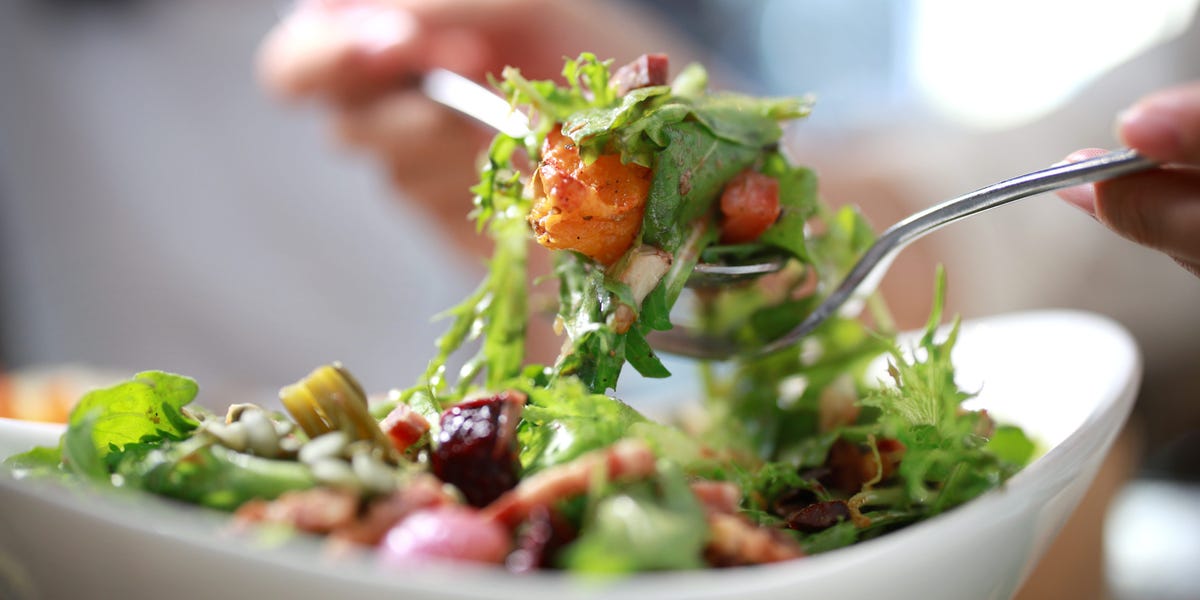
Restaurants that rely on iceberg lettuce face lost lunch customers as FDA and Taylor Farms send mixed messages on cyclospora. The habit-break risk may outlast the outbreak.
Alpha Score of 41 reflects weak overall profile with poor momentum, poor value, strong quality, moderate sentiment.
The cyclospora outbreak that has sickened hundreds of Americans is now doing something almost as damaging: sending mixed signals that could permanently shift lunch habits.
On Friday, the Food and Drug Administration said it had linked shredded lettuce from Taylor Farms to the parasite. The company issued a voluntary recall of iceberg lettuce processed at its facility in central Mexico.
Two days later, the FDA said that initial lab test was a false positive. Taylor Farms said in a statement that the agency apologized. The recall would stand "out of an abundance of caution," the company added.
The agency then clarified Monday that the false-positive result does not change the "overwhelming epidemiological data" supporting the recall. Its website still warns consumers not to eat recalled Taylor Farms iceberg lettuce.
Crisis communications professionals told Business Insider that Taylor Farms' quick emphasis on the false positive, while understandable, may end up muddying the public's understanding of the risk. The message war creates a vacuum that leaves consumers guessing.
The confusion poses a direct business problem for restaurants and grocery stores that rely on iceberg lettuce. Salad is a lunch staple for many office workers. A customer who swaps a salad for a sandwich during the scare may not switch back when the all-clear comes. The restaurant loses a regular sale, not just a one-time order.
Some chains are already advertising that they do not use shredded iceberg lettuce at all, hoping to capture the business that others lose. That dynamic rewards competitors that can credibly distance themselves from the supply chain in question.
For Taylor Farms, the reputation risk goes beyond the recall. The false-positive announcement created a perception of confusion even after the agency reaffirmed its epidemiological data. Trust takes longer to rebuild than the recall process itself.
What would reduce the risk for affected restaurants: a single, clear statement from the FDA that identifies the exact source and end date of the outbreak. Until then, consumers have little reason to differentiate between safe and unsafe lettuce sources.
What would worsen it: any additional false positives or conflicting statements from regulators. A prolonged period of ambiguity would accelerate habit shifts away from lunchtime salads, especially among office workers who value speed and reliability.
The FDA said it continues to investigate the source of the outbreak. Mia de Graaf, a Business Insider reporter covering the story, hosted a Reddit Q&A at 2:30 p.m. ET Monday to answer consumer questions about cyclospora.
Drafted by a large language model from the source reporting linked above, then screened by automated publishing checks. It is not read by a journalist before publication. Some articles cite our Alpha Score. Verify prices and figures against the original source. Educational coverage, not personalized advice.