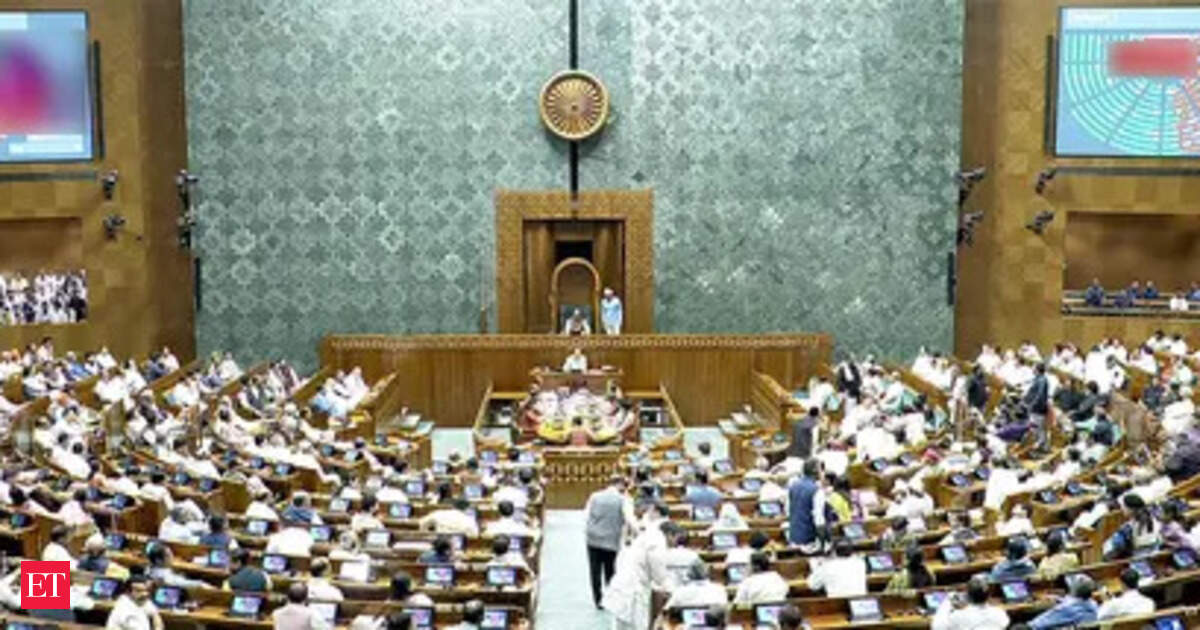
The proposal by Union Home Minister Amit Shah to review voter distribution across Lok Sabha constituencies introduces a significant narrative shift regarding the structural efficiency of the Indian legislative system. By highlighting the disparity in electorate sizes, the government is signaling a move toward potential rationalization of constituency boundaries. This initiative aims to address the operational challenges faced by members of parliament who currently manage vastly different population densities, which can impede the delivery of constituent services.
Structural Implications for Electoral Boundaries
The core of this policy shift lies in the argument that extreme variations in voter counts undermine the principle of equal representation. If the government moves forward with a formal review, it will likely necessitate a comprehensive redrawing of district maps to balance the number of voters per seat. Such a process historically involves complex negotiations between regional political interests and central administrative goals. The stated objective is to ensure that legislative capacity remains consistent across the country, allowing for more uniform engagement between elected officials and their local populations.
Integration of Gender Representation Targets
The call for a review of voter numbers is explicitly linked to the broader legislative agenda of implementing a 33 percent reservation for women in legislatures by 2029. This dual-track approach suggests that the government intends to combine boundary reform with a fundamental change in the composition of the legislative body. The success of this initiative depends on the legislative timeline for the reservation bill and the administrative feasibility of conducting a nationwide constituency audit. These changes could alter the political calculus for incumbent parties as they prepare for future election cycles.
AlphaScala Market Context
While this policy shift focuses on political infrastructure, the broader stability of the regulatory environment remains a key factor for domestic firms. Investors often monitor legislative reforms for their potential impact on long-term policy consistency and regional development projects. For those tracking broader market trends, our current data shows Agilent Technologies, Inc. (A stock page) holding an Alpha Score of 55/100, while ServiceNow Inc. (NOW stock page) carries a score of 53/100. Amer Sports, Inc. (AS stock page) is currently labeled as Mixed with a score of 47/100.
These developments in electoral policy set the stage for the next major marker, which will be the introduction of the formal bill detailing the reservation framework and the subsequent establishment of a delimitation commission. The timeline for these administrative actions will determine the pace at which the political landscape adjusts to these proposed structural changes. Market participants should monitor upcoming parliamentary sessions for specific language regarding the implementation of these reforms, as this will provide clarity on the scope and speed of the redistricting process.