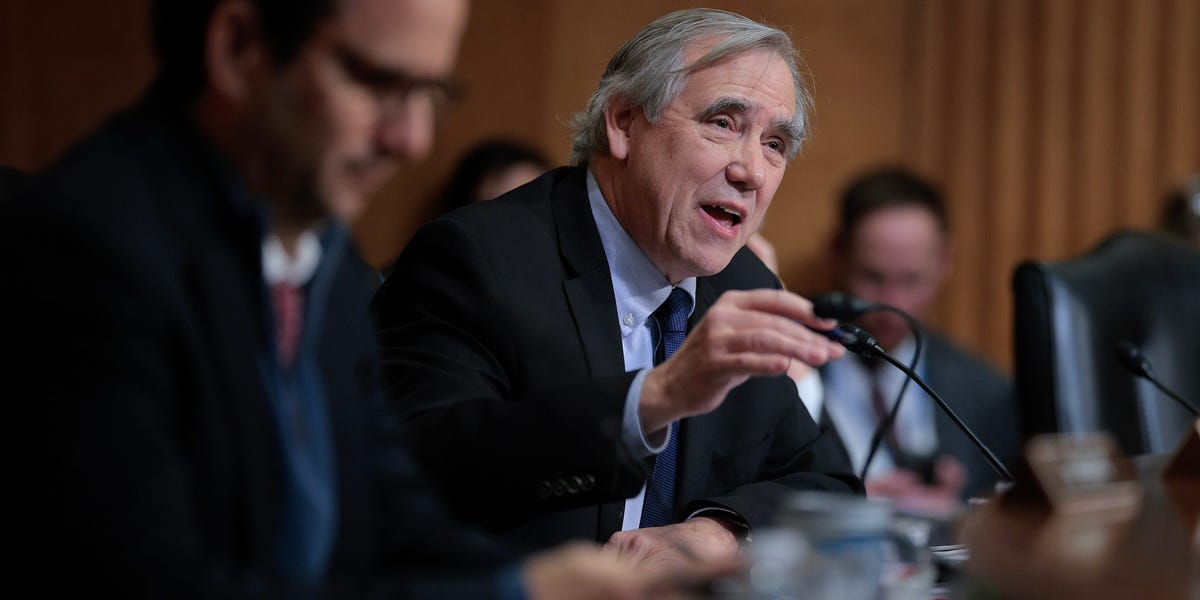
A coalition of Democratic lawmakers is calling for an extension of the transition period for student-loan borrowers currently enrolled in the SAVE repayment plan. The request follows concerns that the current timeline for shifting borrowers into alternative repayment structures is too compressed, potentially forcing millions of individuals into significantly higher monthly obligations without adequate preparation time. The core of the issue lies in the administrative transition required after legal challenges stalled the implementation of the administration's broader affordable repayment initiatives.
Impact on Household Liquidity and Consumer Spending
The potential for a sudden increase in monthly debt service creates a direct friction point for household budgets. For many borrowers, the SAVE plan was designed to lower monthly payments based on income levels, providing a buffer that allowed for discretionary spending in other areas of the economy. If these borrowers are transitioned to standard repayment plans or other higher-cost alternatives, the resulting reduction in disposable income could dampen consumer activity. This is particularly relevant for sectors sensitive to middle-class spending patterns, where shifts in debt obligations often precede changes in retail or service-sector demand.
Administrative Hurdles and Borrower Uncertainty
The legislative push highlights the operational difficulty of managing large-scale changes to federal loan servicing. Lawmakers argue that the current pace of communication and processing does not allow borrowers sufficient time to evaluate their options or adjust their financial planning. Without an extension, the risk of widespread delinquency increases, as borrowers may be caught off guard by the sudden jump in their monthly bills. This uncertainty complicates the broader outlook for consumer credit health, as the transition affects a significant portion of the active workforce.
AlphaScala data currently tracks various market segments for volatility and performance trends. Our internal metrics for companies like ON Semiconductor Corporation, which holds an Alpha Score of 45/100, and Agilent Technologies, Inc., with an Alpha Score of 55/100, reflect the broader environment of sector-specific adjustments. While these firms operate in different industries, the underlying theme of managing through transition periods remains a constant in stock market analysis.
The Path Toward Payment Resumption
The next concrete marker for this issue will be the formal response from the Department of Education regarding the proposed extension. If the administration denies the request, the immediate focus will shift to the volume of borrowers who fail to make their first adjusted payments on time. Market observers will monitor the subsequent delinquency reports and potential updates to loan servicing guidance to gauge the severity of the impact on household balance sheets. The tension between administrative deadlines and borrower readiness remains the primary variable in determining whether this transition results in a manageable adjustment or a broader disruption to consumer credit stability.