Stocks● Neutral
Lebanon Exports Resume to Saudi: $250M Trade Channel Reopens
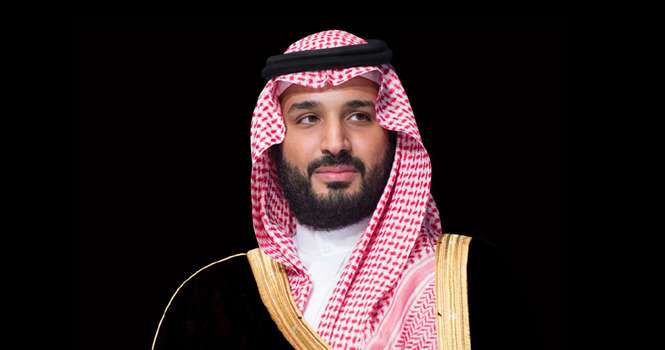
Crown Prince directs resumption of Lebanese exports after 2021 ban, citing positive government steps. Trade channel reopening could boost Lebanon's foreign reserves and agricultural sector.
Continue with
Saudi Arabia will resume imports from Lebanon, Crown Prince Mohammed bin Salman directed, ending a ban that had shut Lebanese exporters out of the kingdom's market since 2021. The directive followed a request from Lebanese President Joseph Aoun and came after what the Saudi government described as positive steps by Beirut to rebuild state institutions and progress by bilateral committees over the past year, the Saudi Press Agency reported.
Saudi Foreign Minister Prince Faisal bin Farhan, in a phone call with Lebanon's Prime Minister, reaffirmed the kingdom's support for Lebanon's stability and sovereignty. He expressed confidence that Lebanon would take measures to ensure its territory is not used to harm neighboring countries.
The ban was imposed in 2021 after a Lebanese minister made comments critical of the Saudi-led intervention in Yemen. It cut off Lebanon's largest export market. Before the ban, Lebanon shipped roughly $250 million a year in agricultural produce and manufactured goods to Saudi Arabia. The disruption deepened the country's existing economic crisis, prompting Lebanese exporters to scramble for alternative buyers in Iraq and Egypt.
The resumption ends a period of strained relations that dated to Hezbollah's role in Lebanese politics and the 2021 Saudi ban. Saudi Arabia has gradually re-engaged with Beirut following the election of President Joseph Aoun in early 2025 and the formation of a government that has undertaken reforms demanded by international donors. The Saudi statement cited cooperation from the Lebanese side and commitments to prevent smuggling and political interference in trade flows.