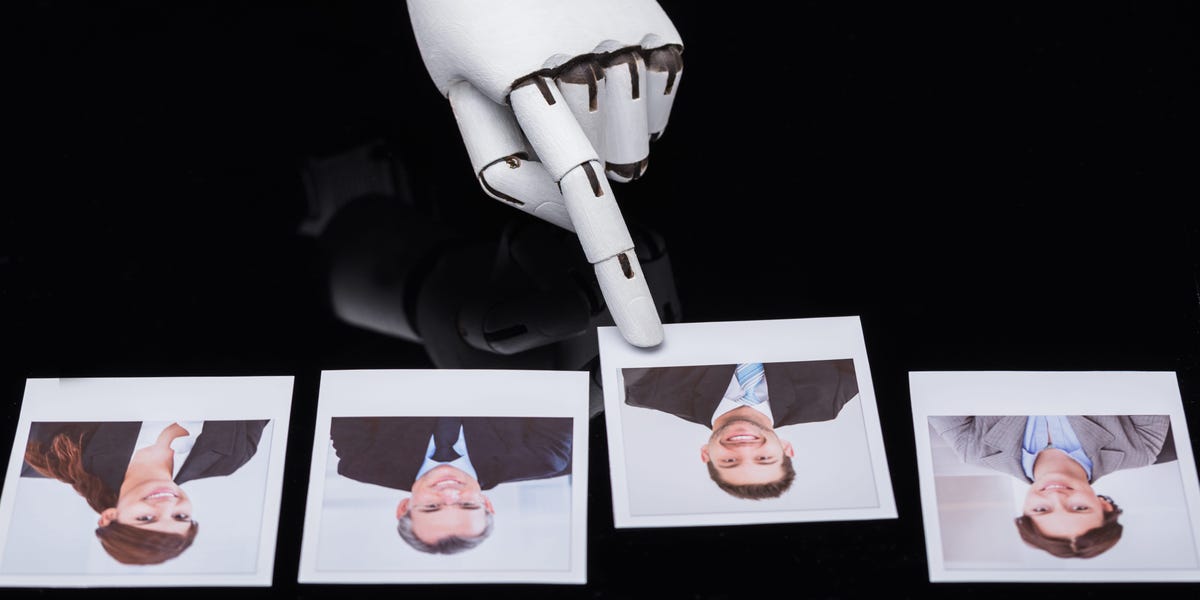
Ribbon AI data shows 25% of interviews happen late at night, boosting access for shift workers. CEO and HR experts cite inclusion gains, but bias concerns persist.
One in four interviews on Ribbon AI's platform happen between 10 p.m. and 2 a.m. local time. The voice-AI recruiting company shared the figure with Business Insider, drawing on data from more than 500 corporate customers. Among manufacturing clients, the share climbs to 35%.
Arsham Ghahramani, Ribbon's CEO, told the ThinkData podcast the pattern likely reflects the schedules of working parents and shift workers in factories or kitchens who struggle to find a quiet moment during business hours. "What initially seems like a technology where you're sort of removing the human out of the aspect, seems like maybe there will be like a disadvantage for the candidate, actually kind of flips the other way," Ghahramani said. "Now you have candidates who could never have been interviewed before. That's a huge accessibility piece."
Ribbon also reported that the AI tool improves 180-day employee retention by 10% to 30% across its top customers. A major auto manufacturer has been hiring 35% faster since adopting the platform, the company said.
Two veteran HR experts told Business Insider they see AI interviews as a net positive for inclusion. Tim Sackett, CEO of HRUTech.com, called AI interviewing "the best thing to ever happen" to inclusive hiring. "For the first time in history, 100% of applicants are being able to interview and show their worth to the job," Sackett said. Steve Boese, Co-Chair of the HR Technology Conference, said technology-driven flexibility is a "net positive" for candidates. "If hiring companies can offer 24/7 availability for these kinds of AI-brokered interviews, then they have removed a potential barrier for at least some candidates who by need or by choice will elect to take the interview at 1 a.m. or 2 a.m.," Boese said.
A May survey from Greenhouse found that nearly two-thirds of applicants had been interviewed by an AI agent, up 13 percentage points in six months. Yet 38% of US candidates told Greenhouse they had abandoned a hiring process rather than interview with AI. Another 12% said they would do so if an AI interview were mandatory. In the same survey, 36% of respondents said they felt evaluated differently because of age in both AI-led and human interviews, while 27% cited race or ethnicity.
Large language models can absorb and reproduce stereotypes from training data, academic research has shown. A 2025 Stanford study found that ChatGPT's responses showed clear biases against older women and younger workers when generating depictions of workers across industries.
"While many people long for the 'old days' of live phone screens, in-person interviews, personal feedback, etc, we are just not going back to those processes at any scale," Boese added. "Tech has taken over most of the recruiting process, and AI is now replacing the legacy solutions."
Drafted by a large language model from the source reporting linked above, then screened by automated publishing checks. It is not read by a journalist before publication. Some articles cite our Alpha Score. Verify prices and figures against the original source. Educational coverage, not personalized advice.