Late-Booking Fans Fuel World Cup Spending Surge in Host Cities
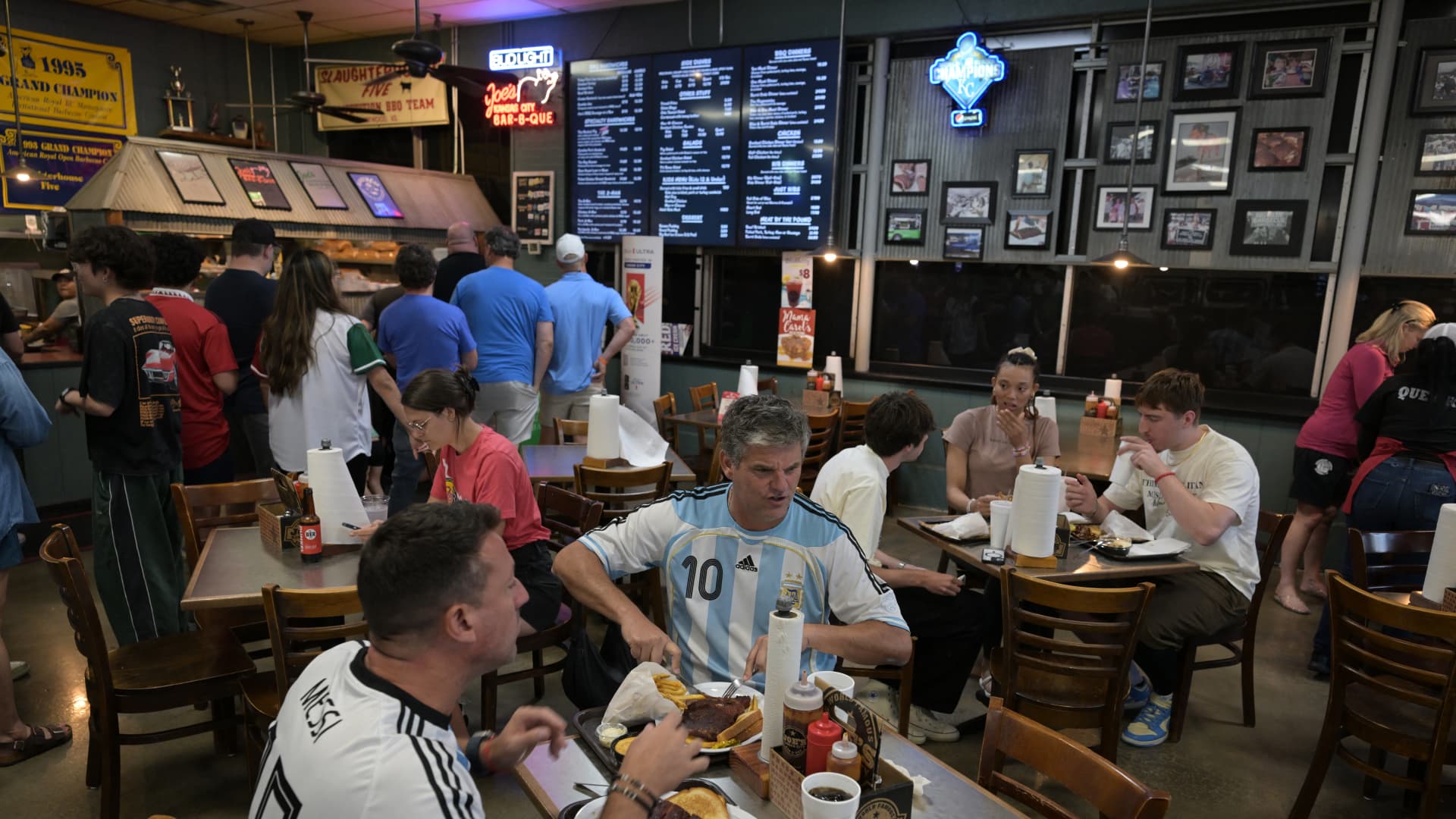
Spending in U.S. host cities rose 5% from a year ago as semifinals approach, with Kansas City leading gains. Hotels see late demand surge after soft advance bookings.
The World Cup's biggest economic wave is hitting U.S. host cities later than many businesses expected. Travel bookings and in-person spending accelerated sharply as the tournament entered the knockout rounds, data from Bank of America, CoStar, and RateGain show.
In-person spending in host cities rose 5% over last year from June 10 to July 5, according to Bank of America credit and debit card data. Kansas City led the gains. David Tinsley, senior economist at the Bank of America Institute, said the lift was visible on the ground. "Restaurants and bars saw some of the strongest gains as consumers turned matches into social events," he said. The totals likely understate the real impact because the data capture only U.S. household spending on BofA cards, excluding cash, checks, international tourists, and corporate cards.
Hotel performance followed a similar late-breaking pattern. Kansas City posted the biggest weekly RevPAR jump among host markets, up nearly 50%, CoStar data show. Philadelphia saw weekend RevPAR surge more than 74% when its match coincided with July 4 celebrations. That was a relief for hotel owners who had worried about soft advance bookings and FIFA releasing large room blocks back into the market. During the group stage, occupancy in host cities actually fell 3% from a year ago. Hotels still charged 21% higher rates, CoStar said.
Demand for short-term rentals also rose alongside higher-stakes matches, according to analytics firm AirDNA. Braham Gallagher, AirDNA's director of economic forecasting, said the late surge fits a pattern. "For some of the later stage games, people waited until they knew who was going to be playing," he said.
Flight bookings accelerated as the field narrowed. Overall reservations to host cities are up 4% year over year. After the opening match, flight bookings jumped nearly 75% from the prior week, according to RateGain Travel Technologies. The pattern is clearest with Argentina fans. Flight bookings from Argentina are up 46% year over year since the tournament began. Bookings to Atlanta, where Argentina plays its semifinal, more than doubled, rising 108%.
Bhanu Chopra, founder of RateGain, said Argentina fans are responding in real time to results. "Argentina shows what it looks like when fans book a trip the moment their team wins," he said. Bookings to New York for the final are still down 15% year over year, suggesting fans are hedging. If Argentina beats England, Chopra expects those bookings to spike quickly. Bookings from Argentina into Miami, host of the third-place match, are up nearly 17%.
The late surge in demand creates winners and losers. Hotels that held rooms for last-minute bookings captured premium rates. Those that released inventory early missed the spike. Airlines are seeing last-minute international fares climb. Short-term rental hosts in host cities are also benefiting.
Ticket resale prices tell a similar story of shifting expectations. After the U.S. and Mexico were eliminated, resale prices for several quarterfinal matches fell sharply. FIFA still had nearly 1,200 mid-tier tickets for the final available late last week, priced at $7,380 each.
Bank of America, which provided the card data, carries an Alpha Score of 45 out of 100, a mixed signal reflecting its exposure to consumer spending trends.
Drafted by a large language model from the source reporting linked above, then screened by automated publishing checks. It is not read by a journalist before publication. Some articles cite our Alpha Score. Verify prices and figures against the original source. Educational coverage, not personalized advice.