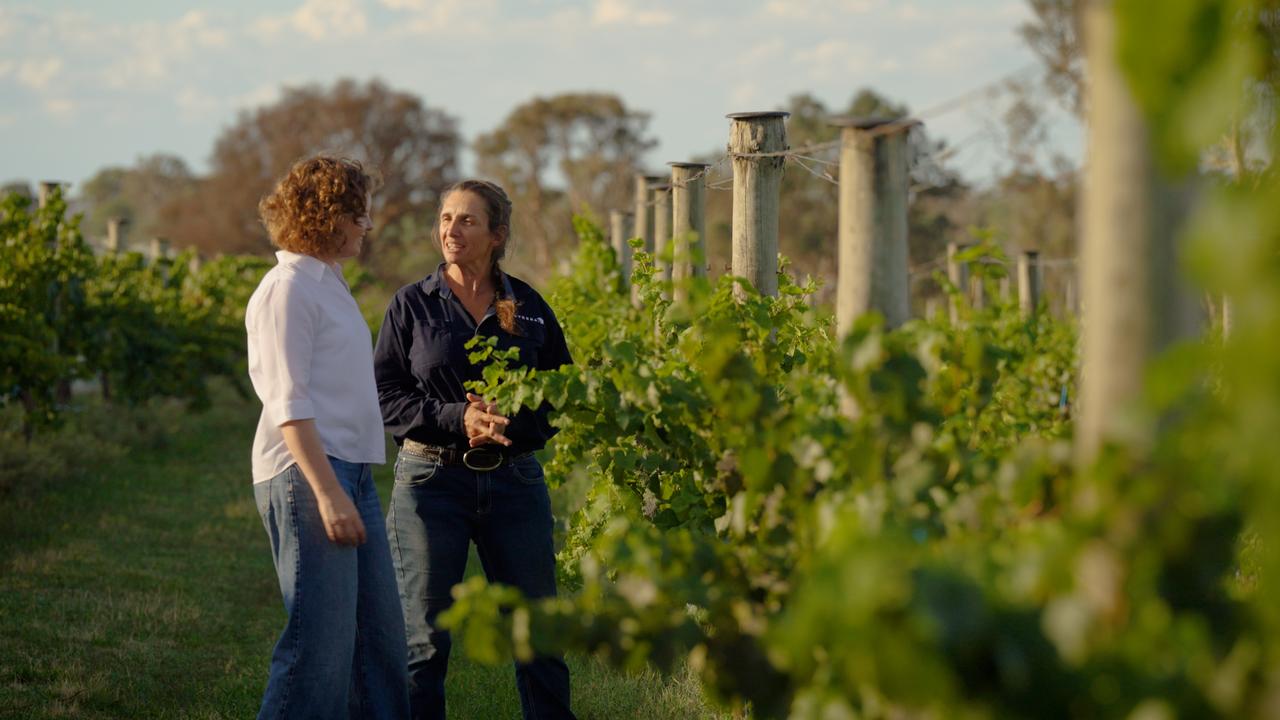
A novel circular economy project is repurposing hotel food waste into vineyard fertilizer by utilizing larvae. This process converts organic scraps into nutrient-rich soil amendments, creating a localized supply chain that reduces dependence on traditional synthetic fertilizers. By closing the loop between hospitality waste and agricultural production, the initiative aims to enhance the resilience of local viticulture operations.
Circular Supply Chain Dynamics
The shift toward insect-based waste processing addresses a specific vulnerability in agricultural supply chains. Traditional fertilizer production often relies on volatile global commodity markets and energy-intensive manufacturing processes. By decentralizing the production of soil nutrients, vineyards can mitigate exposure to price spikes and supply shortages. This model prioritizes local resource recovery, turning a disposal cost for hotels into a productive input for growers.
Agricultural Resilience and Efficiency
Integrating larvae into the waste management cycle offers a scalable alternative to industrial composting. The biological conversion process is faster and more efficient at capturing nutrients from food scraps than conventional methods. For vineyards, the primary benefit is the creation of a stable, predictable supply of organic matter that supports soil health without the need for imported chemical additives. This approach aligns with broader trends in stock market analysis regarding the valuation of companies that successfully implement sustainable operational efficiencies.
Operational Benchmarks
While this project remains a niche pilot, it serves as a proof-of-concept for larger agricultural technology integrations. Investors monitoring the technology sector, such as those tracking ON Semiconductor Corporation, often look for these types of resource-optimization breakthroughs to gauge the future of automated, data-driven farming. With an Alpha Score of 46/100, ON Semiconductor Corporation reflects the mixed sentiment currently surrounding hardware-heavy industrial tech. The success of this larvae-based system will be measured by its ability to maintain consistent nutrient output as it scales from small vineyards to larger commercial operations. The next concrete marker for this initiative is the upcoming harvest season, which will provide the first quantitative data on crop yield quality compared to traditional fertilization methods.