Back to Markets
Stocks● Neutral

Laird Superfood Expands Footprint with Terrasoul Acquisition

Laird Superfood Expands Footprint with Terrasoul Acquisition
ALCOSTONLSF

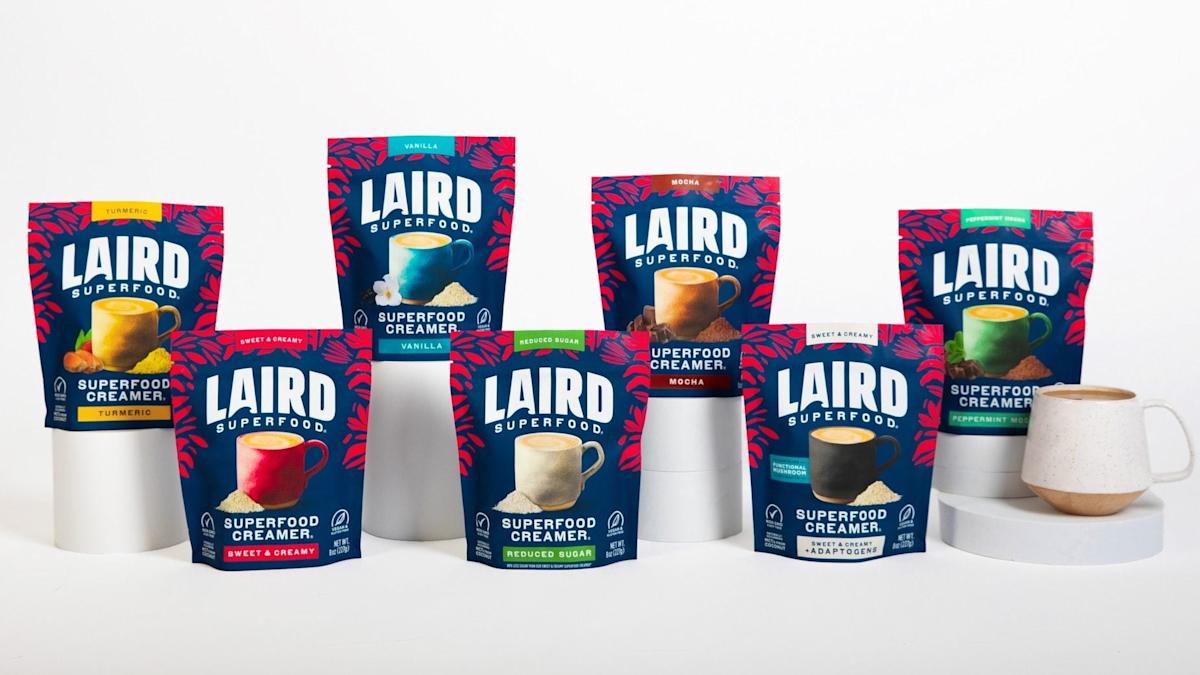
Laird Superfood has acquired Terrasoul Superfoods with backing from Nexus Capital Management, signaling a shift toward inorganic growth and supply chain consolidation in the functional food sector.

AlphaScala Research Snapshot
Live stock context for companies directly referenced in this story
Alpha Score
55
Moderate

Alpha Score of 55 reflects moderate overall profile with moderate momentum, moderate value, moderate quality. Based on 3 of 4 signals — score is capped at 90 until remaining data ingests.

Financial Services
Alpha Score
59
Moderate

Alpha Score of 59 reflects moderate overall profile with strong momentum, moderate value, moderate quality. Based on 3 of 4 signals — score is capped at 90 until remaining data ingests.

Consumer Staples
Alpha Score
58
Moderate

Alpha Score of 58 reflects moderate overall profile with moderate momentum, moderate value, moderate quality, moderate sentiment.

Alpha Score
45
Weak

Alpha Score of 45 reflects weak overall profile with strong momentum, poor value, poor quality, weak sentiment.

This panel uses AlphaScala-native stock data, separate from the source wire linked above.

Laird Superfood has finalized the acquisition of Terrasoul Superfoods, a move facilitated by additional capital injections from its private equity partner, Nexus Capital Management. This transaction marks a shift in the company's growth strategy, moving from organic development to inorganic expansion within the functional food space. By absorbing a direct peer, Laird Superfood aims to consolidate its position in the specialized health and wellness market, leveraging the operational synergies inherent in merging two entities with overlapping supply chains and customer bases.

Consolidation in the Functional Food Space

The acquisition of Terrasoul Superfoods provides Laird with an immediate expansion of its product catalog and distribution reach. For companies operating in the niche superfood sector, scale is a primary driver of margin improvement. By integrating Terrasoul, Laird can likely streamline procurement processes and reduce overhead costs associated with sourcing raw ingredients. This consolidation reflects a broader trend where smaller, specialized consumer brands seek to achieve critical mass to better compete with larger, diversified food conglomerates.

The involvement of Nexus Capital Management as the primary financier underscores a commitment to aggressive growth. By increasing its equity stake to fund this purchase, the firm is signaling confidence in the long-term viability of the combined entity. This capital structure suggests that the focus for the immediate future will be on integrating the two businesses rather than pursuing further external acquisitions. The success of this deal will depend on how effectively the company can merge its existing logistics infrastructure with the newly acquired operations.

Strategic Implications for Operational Efficiency

The integration of Terrasoul into the Laird platform creates a more robust supply chain, which is often the most significant hurdle for companies in the health food industry. Managing raw material volatility and maintaining quality standards are constant pressures for these firms. By pooling resources, the combined company may gain better leverage with suppliers and improve its ability to manage inventory levels across its expanded product line. This operational shift is essential for maintaining consistent stock market analysis and investor confidence in a sector sensitive to consumer spending habits.

AlphaScala data indicates that companies undergoing rapid inorganic growth often face a period of margin compression before realizing the full benefits of operational consolidation. Investors should monitor the next quarterly filing for specific details regarding the integration costs and the realized synergies from the Terrasoul acquisition. The primary marker for success will be the ability to maintain revenue growth while simultaneously reducing the combined entity's cost of goods sold. As the company navigates this transition, the focus will remain on whether the expanded scale translates into improved profitability or if the integration process creates unforeseen operational drag. The next concrete indicator will be the reporting of consolidated financial results, which will reveal the impact of this acquisition on the company's bottom line.

How this story was producedLast reviewed Apr 22, 2026

AI-drafted from named sources and checked against AlphaScala publishing rules before release. Direct quotes must match source text, low-information tables are removed, and thinner or higher-risk stories can be held for manual review.

Editorial Policy·Report a correction·Risk Disclaimer