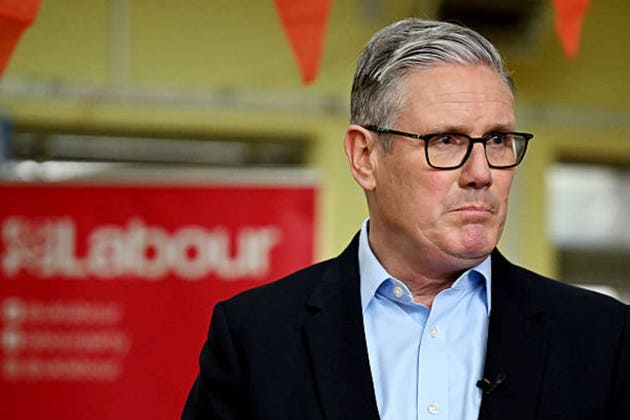
The pound fell after Labour members challenged PM Keir Starmer, injecting political risk. The question now is whether the rebellion gains enough support for a formal leadership contest.
The British pound dropped after members of the ruling Labour Party moved to challenge Prime Minister Keir Starmer's leadership. The internal rebellion, though not yet a formal contest, injected political risk into UK assets, sending sterling lower against the dollar and the euro. The currency slid, reflecting traders' pricing of prolonged government instability, which could delay fiscal policy decisions and undermine investor confidence.
The challenge to Starmer's position represents an early-stage rebellion by Labour colleagues dissatisfied with the government's direction. The pound's decline reflects the market's immediate reaction to headline risk. Political uncertainty tends to weaken a currency because it raises the probability of policy paralysis, delayed fiscal consolidation, and a potential confidence vote that could trigger an early election.
The pound had been trading in a relatively tight range before the news broke. The sudden drop caught short-term momentum traders off guard, amplifying the move through stop-loss orders. Thin liquidity during the early Asian session likely exacerbated the slide, though the exact timing of the move was not immediately clear.
A leadership challenge introduces a specific type of risk for sterling. Three channels explain the mechanism:
The Bank of England is already navigating a delicate path between sticky inflation and a sluggish economy. Political turmoil adds a layer of unpredictability to the fiscal backdrop, complicating the central bank's task. If the uncertainty persists, it could weigh on business and consumer confidence, potentially tilting the growth outlook lower. That would force the BoE to consider a more dovish stance than currently priced into money markets. The next policy meeting, already a key event, would take on added significance if political risk threatens to undermine the growth trajectory.
The immediate question for traders is whether the rebellion gains enough support to trigger a formal leadership contest. Under Labour Party rules, a challenger needs the backing of a significant number of MPs to force a vote. If that threshold is not met, the story could fade quickly and the pound might recover its losses.
If the challenge does advance, the timeline would extend over several weeks, keeping political risk elevated. During that period, sterling would likely trade with a persistent discount, and options market implied volatility would rise. Traders will monitor public statements from senior Labour figures and from Starmer himself. A strong show of cabinet unity could cap the pound's downside. Further defections or high-profile criticism would deepen the sell-off.
The pound's move is the first signal. Gilt yields and the FTSE 100 will be the next to reflect any sustained uncertainty. The coming days will determine whether this is a fleeting headline or the start of a more serious challenge to the government's stability. For broader market context, see stock market analysis.
Prepared with AlphaScala research tooling and grounded in primary market data: live prices, fundamentals, SEC filings, hedge-fund holdings, and insider activity. Each story is checked against AlphaScala publishing rules before release. Educational coverage, not personalized advice.