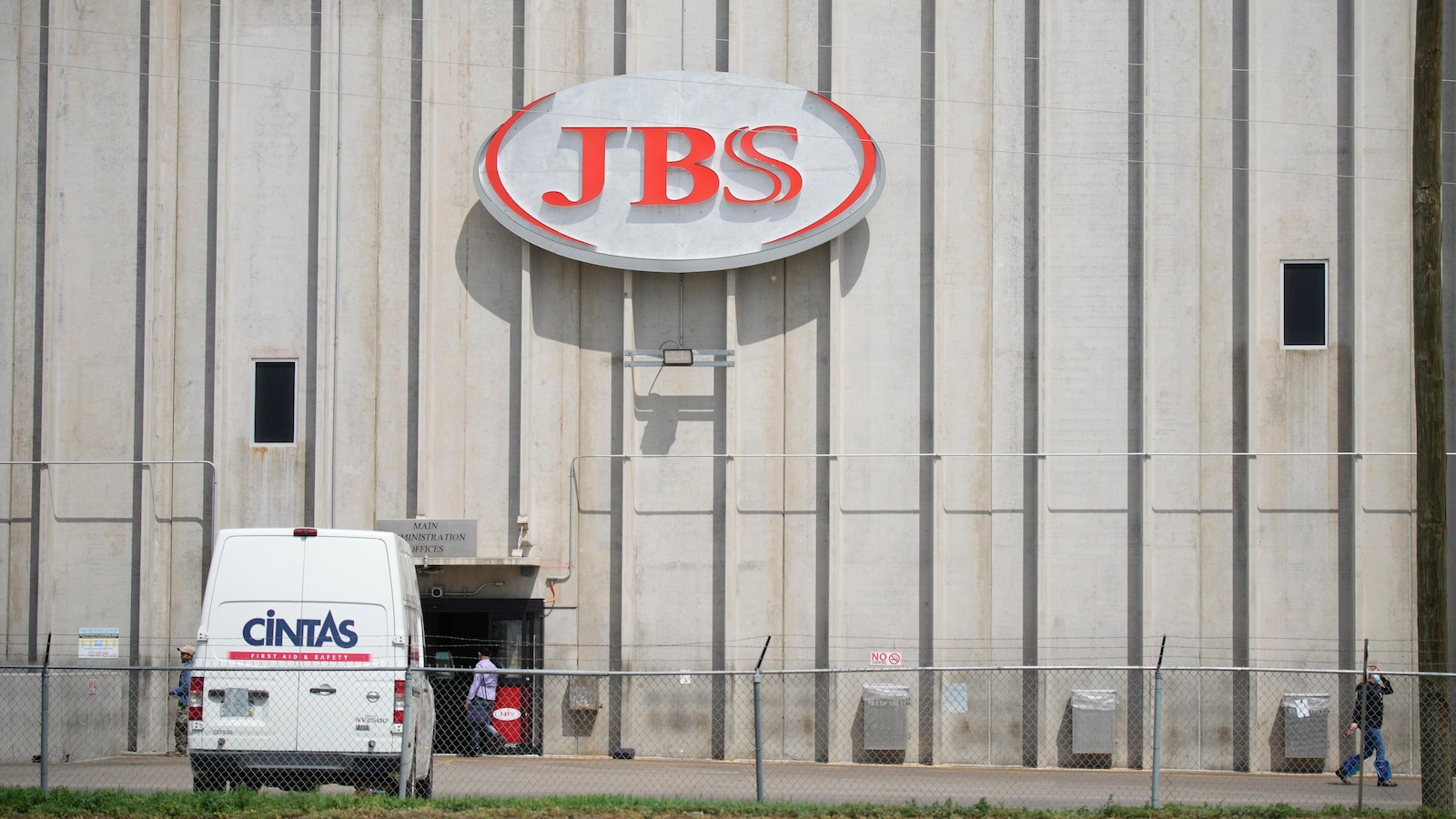
Brazilian labor prosecutors have initiated legal action against JBS, alleging the meatpacking giant sourced cattle from farms utilizing forced labor. This litigation targets the integrity of the company's upstream supply chain, specifically focusing on the traceability of livestock procurement in regions where labor oversight remains a significant regulatory hurdle. The lawsuit centers on the assertion that cattle originating from properties identified with slavery-like conditions entered the JBS processing network, creating a direct link between the company's production volume and labor violations.
Supply Chain Traceability and Regulatory Oversight
The core of the legal challenge rests on the efficacy of JBS's monitoring systems. Meatpackers operating in Brazil face persistent pressure to ensure that indirect suppliers, often smaller farms that sell to larger ranches before reaching the slaughterhouse, adhere to strict labor and environmental standards. When these systems fail to filter out non-compliant suppliers, the resulting legal exposure can disrupt procurement operations and force a re-evaluation of supplier vetting protocols. For a global processor, the inability to verify the labor history of its cattle inputs introduces a systemic risk that extends beyond the immediate legal costs.
Operational Impacts on Production Flow
Legal proceedings of this nature often necessitate a tightening of procurement standards, which can temporarily constrain the volume of cattle available for processing. If JBS is forced to suspend or audit specific supplier networks, the immediate effect is a reduction in throughput at affected facilities. This creates a bottleneck in the supply chain that can influence local beef pricing and export availability. The following points summarize the current operational pressures:
- Increased scrutiny on indirect supplier verification processes.
- Potential for temporary facility output adjustments to accommodate compliance audits.
- Heightened risk of supply chain fragmentation as the company isolates non-compliant nodes.
AlphaScala currently tracks JBS (JBS N.V.) with an Alpha Score of 75/100, maintaining a Strong label within the Consumer Defensive sector. Investors can monitor further developments on the JBS stock page as the company navigates these regulatory challenges. While the litigation is specific to labor practices, the broader commodities analysis indicates that supply chain integrity remains a primary driver of valuation for large-scale agricultural processors.
This lawsuit sets the stage for a period of heightened transparency requirements for the firm. The next concrete marker for the market will be the company's formal response to the labor prosecutors and any subsequent adjustments to its supplier audit framework. Any shift in procurement policy will serve as a bellwether for how the industry manages the tension between high-volume production and the enforcement of labor standards across decentralized cattle-rearing regions.