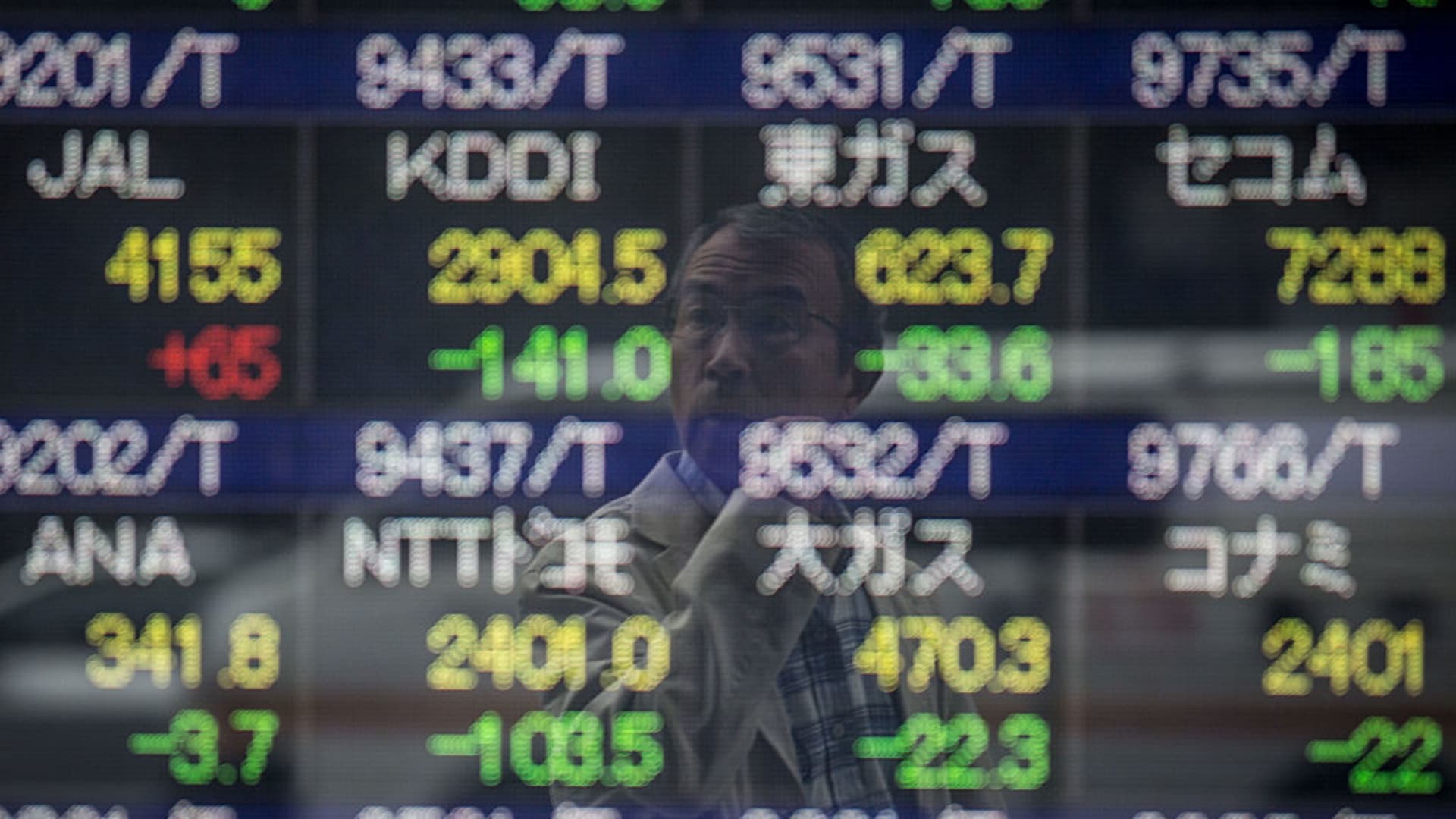
South Korea’s Kospi index surged 4.50% to reach a new record high as regional markets reacted to cooling geopolitical tensions in the Middle East. The rally follows a broader trend of gains across Asia-Pacific exchanges, buoyed by a retreat in global oil prices and positive momentum from Wall Street’s record-setting session. The Kospi’s move is particularly significant given its year-to-date performance, which has now exceeded 70% as investors rotate back into high-beta technology names following a holiday-induced trading pause.
Geopolitical De-escalation and Energy Markets
The primary catalyst for the current risk-on environment is the pause of Project Freedom, a U.S.-led initiative to guide commercial vessels through the Strait of Hormuz. President Donald Trump confirmed the suspension of the project, citing ongoing diplomatic efforts to finalize an agreement regarding the blockade. U.S. Defense Secretary Pete Hegseth noted that two commercial ships and accompanying destroyers had already successfully transited the lane, providing tangible evidence that the waterway remains functional despite the heightened rhetoric.
This diplomatic pivot triggered an immediate repricing in energy markets, which had previously been pricing in a significant risk premium due to potential supply disruptions. West Texas Intermediate (WTI) futures for June delivery fell 1.96% to $100.27 per barrel, while Brent crude futures for July declined 1.27% to $108.48 per barrel. For equity markets, this drop in energy costs acts as a dual tailwind: it lowers input cost expectations for industrial producers and reduces the inflationary pressure that has been a primary concern for central bank policy paths.
Semiconductor Leadership in Seoul
The Kospi’s record-breaking climb was driven by heavyweights in the semiconductor sector. Samsung Electronics and SK Hynix both hit all-time highs in early trade, rising 8% and 9% respectively. These moves reflect a broader appetite for tech-heavy indices, mirroring the performance of the Nasdaq Composite, which recently notched a closing record of 25,326.13. The concentration of these gains in the semiconductor space suggests that investors are looking past the short-term geopolitical noise to focus on the underlying demand for hardware and memory components.
While the Kospi outperformed, the broader regional picture remains mixed. The small-cap Kosdaq slipped 0.15%, indicating that the rally is currently concentrated in large-cap, liquidity-heavy stocks rather than a broad-based market expansion. Australia’s S&P/ASX 200 posted a modest gain of 0.58%, while Hong Kong’s Hang Seng index futures suggested a flat opening, hovering near the 25,860 level compared to the previous close of 25,898.61.
Wall Street Read-Through and Valuation Context
The overnight performance on Wall Street provides the framework for the current Asian session. The S&P 500 closed at a record 7,259.22, a 0.81% gain that underscores the market’s resilience to energy volatility. The Dow Jones Industrial Average also reached a record finish of 49,298.25. For those analyzing the sustainability of these moves, the divergence between the Dow’s flat futures and the Nasdaq 100’s 0.6% climb suggests that the market is prioritizing growth-oriented tech exposure over defensive industrial positioning.
Investors should note that while the Kospi has returned over 70% this year, the sustainability of such a trajectory depends on the permanence of the de-escalation in the Strait of Hormuz. Any reversal in the diplomatic stance or a return to supply-side volatility would likely trigger a rapid unwinding of the risk premium currently being shed. In the materials sector, companies like DOW continue to navigate these shifting input costs, with an Alpha Score of 53/100 reflecting a mixed outlook as the market balances strong demand against fluctuating commodity prices. The next concrete marker for this rally will be the ability of the S&P 500 to hold its current record levels without a spike in volatility indices, which would confirm that the market has successfully priced in the current geopolitical risk profile.