Stocks● Neutral
Kolkata Metro 60-Train Order Reshapes Rolling Stock Outlook
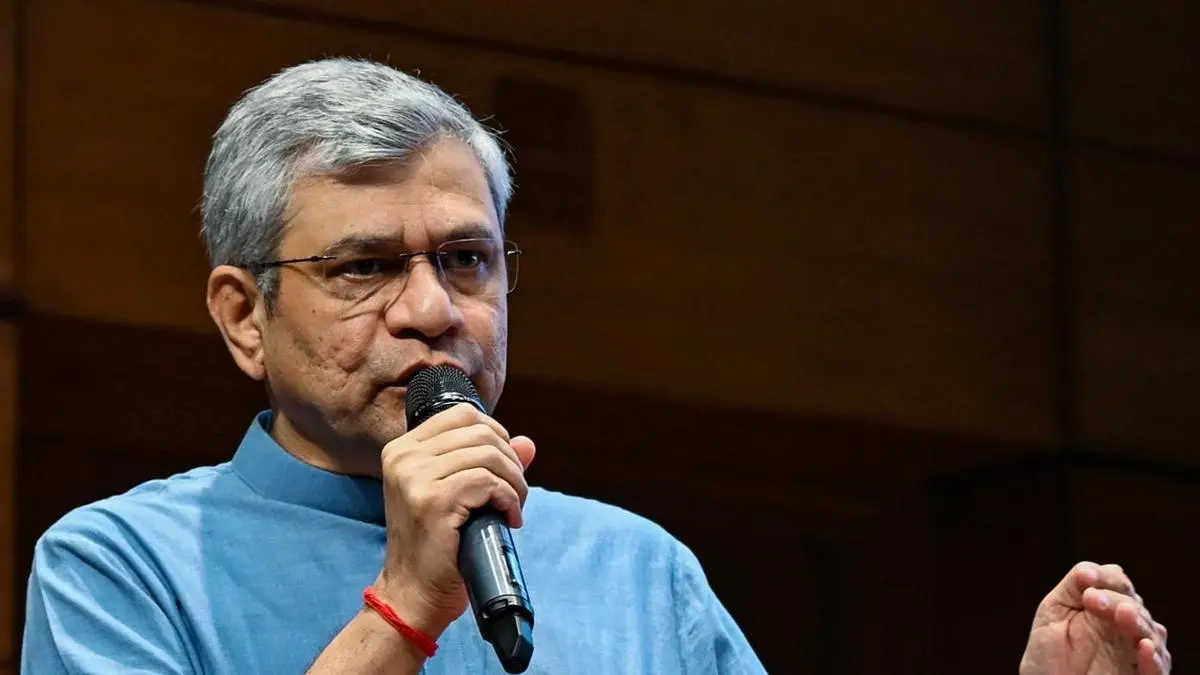
Union minister Vaishnaw announced 60 next-gen trains for Kolkata Metro in five years. The 28-km vs 45-km pace shift cuts execution risk for contractors. Bullet train corridor remains long-duration policy signal.
Continue with
Union Railway Minister Ashwini Vaishnaw announced on Saturday that 60 next-generation trains will be introduced for the Kolkata Metro over the next five years. The statement came after a meeting with West Bengal Chief Minister Suvendu Adhikari at the state secretariat Nabanna. Vaishnaw contrasted the pace of development: only 28 km of the Kolkata Metro network was completed in 42 years before 2014, while 45 km of metro lines have been added since Narendra Modi became Prime Minister in 2014.
The announcement creates a concrete catalyst for rolling stock manufacturers and infrastructure contractors. A five-year order for 60 trains implies a steady production pipeline of roughly 12 trains per year. That volume is large enough to sustain dedicated production lines without signaling a shift in national procurement strategy.
The 60-Train Order: A Concrete Procurement Signal
Companies such as BEML, Bharat Heavy Electricals Limited (BHEL), and Alstom India (through joint ventures) are the primary bidders for such contracts. The tendering process runs through RITES and the Kolkata Metro Rail Corporation (KMRC). A contract of this scale typically includes a maintenance component, adding recurring revenue for the manufacturer over 15–20 years.
For investors tracking the sector, the key question is whether this order is incremental to existing backlogs or replaces orders already expected. The minister's framing of a "revamp" suggests new capacity, not replacement. The next concrete marker is the issuance of a Request for Proposal (RFP) by RITES or KMRC. Once the RFP is published, the order size, delivery timeline, and maintenance terms become knowable. Until then, the announcement is a positive directional signal but not a tradeable event.
Why the 28-km vs 45-km Comparison Matters for Contractors
Vaishnaw's comparison – 28 km in 42 years versus 45 km in 10 years – is political framing with a concrete implication for project execution risk. The faster pace of approvals and land acquisition under the current regime reduces the timeline risk for contractors. A metro project that took 10 years to complete in the past might now take 4–5 years, compressing the revenue recognition cycle for construction firms.
Larsen & Toubro (L&T) and Afcons Infrastructure are the two largest metro tunneling contractors in India. A shorter execution timeline means they recognize revenue faster, improving return on capital employed (ROCE) and reducing working capital drag. The risk to watch is whether state government cooperation delays land acquisition, the single biggest bottleneck in Indian metro projects.