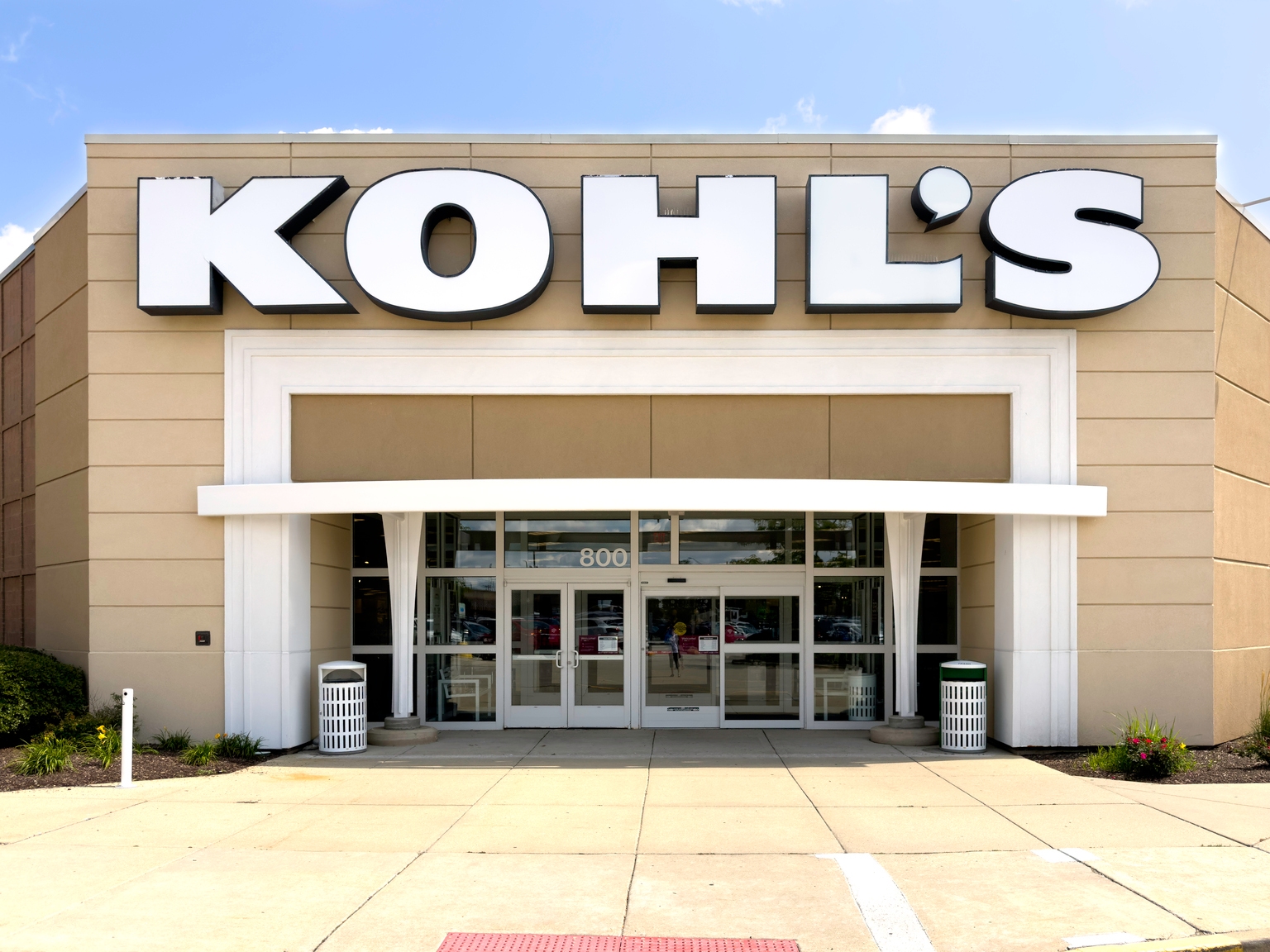
Operational Headwinds and Sales Contraction
Kohl's is currently navigating a period of sustained sales decline that has fundamentally altered the company's near-term outlook. The core issue remains a persistent softening in consumer demand, which has forced the retailer to contend with lower top-line performance. This revenue pressure is compounded by elevated debt servicing costs and rising energy expenses, both of which are exerting significant downward force on operating margins.
When a retailer faces a contraction in demand, the ability to manage fixed costs becomes the primary determinant of financial health. For Kohl's, the combination of high operational overhead and a weakening consumer environment limits the flexibility required to pivot strategies effectively. The current trajectory suggests that until there is a stabilization in sales volume, the company will likely continue to struggle with the dual burden of debt obligations and inflationary cost pressures.
Structural Risks and Valuation Constraints
The retail sector is undergoing a period of intense scrutiny as companies attempt to balance inventory levels with unpredictable foot traffic. Kohl's position within the consumer cyclical space makes it particularly sensitive to shifts in discretionary spending. Investors often look for signs of operational efficiency improvements, but these are difficult to achieve when the underlying demand environment remains stagnant or negative.
For those monitoring the broader stock market analysis, the situation at Kohl's serves as a case study in how macroeconomic pressures filter down to individual retailers. The firm's reliance on traditional brick-and-mortar performance means that any shift in consumer behavior toward value-oriented or digital-first competitors creates a structural disadvantage. Without a clear catalyst for revenue growth, the valuation remains tethered to the company's ability to defend its margins against these persistent cost headwinds.
AlphaScala Data and Sector Context
Market participants often compare retail performance against other sectors to gauge the health of the consumer. For instance, companies like AS stock page (Amer Sports, Inc.) currently hold an Alpha Score of 47/100, reflecting a mixed outlook within the consumer cyclical sector. Similarly, A stock page (Agilent Technologies, Inc.) maintains an Alpha Score of 55/100, illustrating how different sectors are navigating their own unique operational challenges. These scores provide a relative baseline for assessing how Kohl's stacks up against peers that are also managing through volatile demand cycles.
The next critical marker for Kohl's will be the upcoming quarterly earnings report. Investors should look specifically for commentary regarding inventory turnover rates and any updates on debt reduction strategies. These metrics will provide the necessary evidence to determine if the company can successfully navigate the current margin compression or if further operational restructuring is required to stabilize the balance sheet. The path forward depends entirely on whether the firm can align its cost structure with the reality of lower sales volumes before liquidity constraints become a more pressing concern.