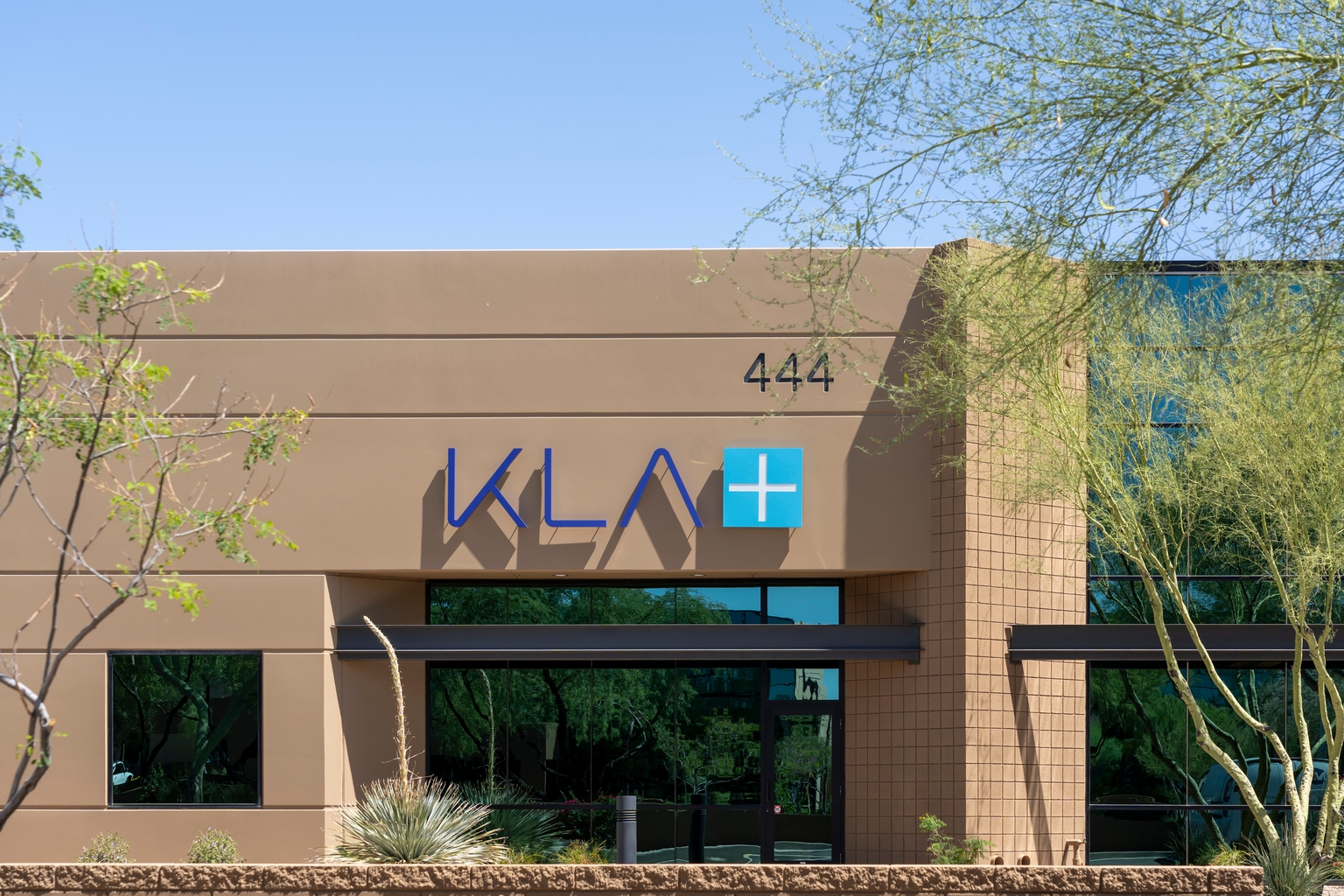
The Semiconductor Equipment Paradox
KLA Corporation (NASDAQ: KLAC) continues to exert significant influence over the semiconductor manufacturing landscape, maintaining its position as the premier provider of process control systems. As the industry pivots toward increasingly complex chip architectures, the demand for KLA’s inspection and metrology tools remains resilient. However, recent market analysis suggests that while the company’s operational moat remains wide, the current equity valuation leaves little room for error, prompting a cautious 'Hold' stance for institutional and retail investors alike.
Navigating the Memory Market Bottleneck
At the core of KLA’s recent performance is its strategic exposure to the memory sector. The semiconductor industry is currently navigating a period of persistent supply constraints, particularly within the DRAM and NAND segments. For KLA, these bottlenecks act as a double-edged sword. On one hand, the scarcity of advanced memory chips necessitates higher-precision manufacturing, keeping demand for KLA’s metrology equipment elevated. On the other hand, the capital expenditure (CapEx) cycles of major memory producers are inherently cyclical; any softening in the broader memory market could lead to a rapid deceleration in order flow for KLA’s process control suites.
Historically, process control equipment has served as a bellwether for the health of the entire semiconductor ecosystem. Because KLA’s tools are essential for identifying defects in early-stage manufacturing, a slowdown in KLA’s order book often precedes broader industry cooling. While the current environment is buoyed by AI-driven infrastructure build-outs, the concentration of revenue exposure to a limited number of high-end memory manufacturers remains a key risk factor for the stock.
Valuation Concerns and Market Sentiment
For traders and long-term investors, the primary concern surrounding KLAC is not its underlying technology, but its current price-to-earnings multiple. The market has aggressively priced in future growth, effectively baking in an optimistic scenario regarding the long-term adoption of next-generation lithography and packaging processes.
When a stock of KLA’s caliber reaches premium valuation levels, the 'margin of safety' compresses significantly. Market participants are left with two potential outcomes: either the company must consistently exceed top-line expectations to justify the current premium, or the stock risks a valuation compression as institutional capital rotates into cheaper, cyclical alternatives within the semi-cap equipment space. Maintaining a 'Hold' rating serves as a recognition that while the fundamental business model remains robust, the entry point for new capital is suboptimal at current levels.
Market Implications for Traders
For those currently holding KLAC, the focus remains on monitoring CapEx guidance from major foundries. As global chipmakers adjust their spending plans in response to macroeconomic shifts, any downward revision in capital allocations will likely manifest in KLA’s quarterly reports first.
Traders should watch for technical support levels that have historically held during periods of consolidation. If the stock fails to maintain its current momentum, the lack of a valuation cushion could lead to a sharper pullback than seen in peers with lower price-to-earnings ratios. Conversely, any sustained breakout above current resistance would require a fundamental catalyst, such as a significant shift in the memory supply-demand balance or a surprise increase in long-term demand for advanced packaging technologies.
The Road Ahead
Moving forward, investors should prioritize the upcoming earnings cycles and management commentary regarding the longevity of the memory supply constraints. The crucial question is whether the current demand for process control systems is structural—driven by the inherent difficulty of scaling nodes below 3nm—or merely cyclical, driven by temporary inventory restocking. Until the market gains clarity on whether KLA can continue to outpace the industry standard, a defensive posture remains the most prudent approach.