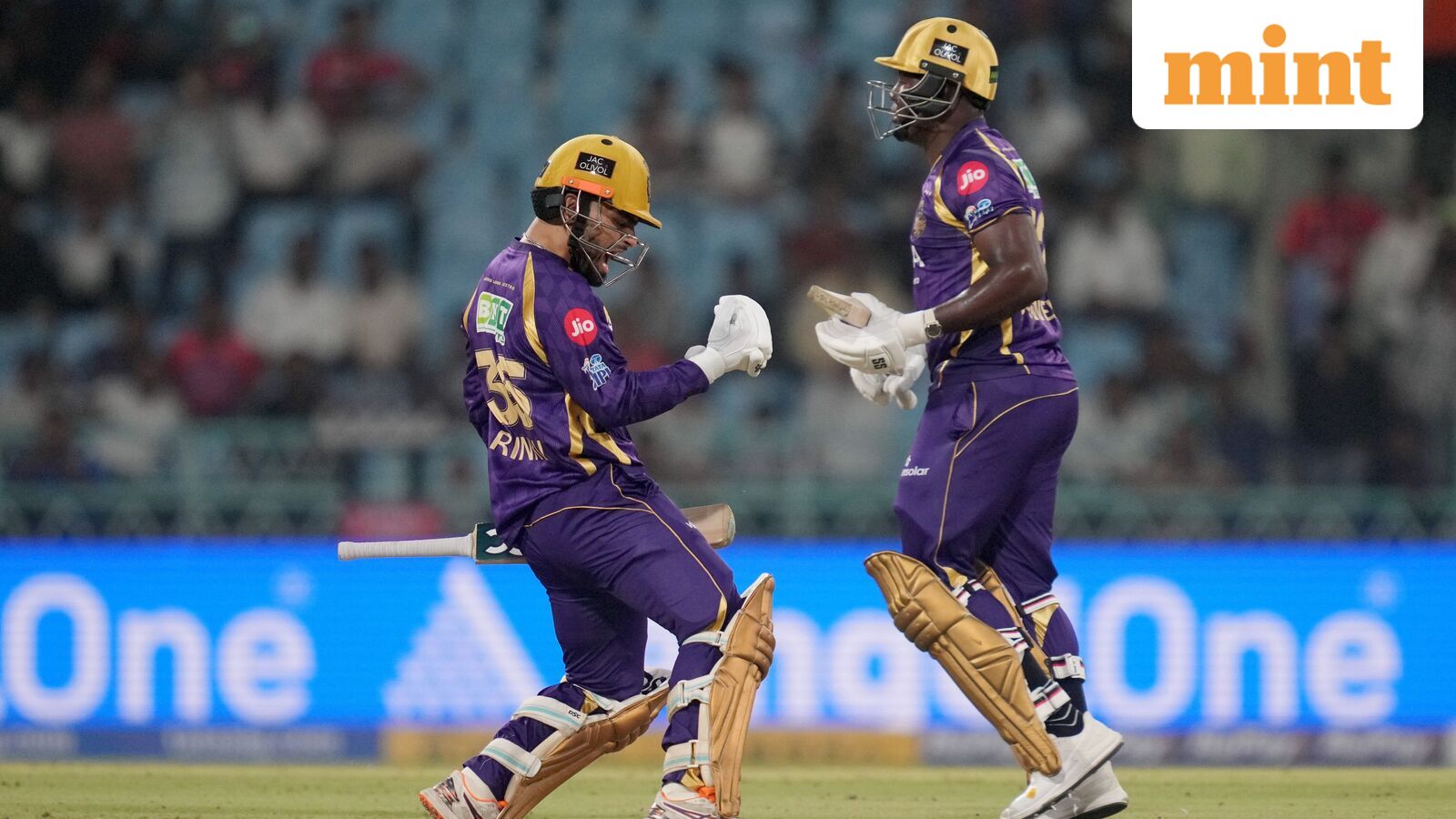
The recent high-stakes performance of the Kolkata Knight Riders in the 2026 IPL season has brought renewed attention to the underlying corporate structure of the franchise. While the match against the Lucknow Super Giants ended in a dramatic super over, the broader narrative for KKR & Co. Inc. remains tied to its diversified asset management strategy rather than individual sporting outcomes. The volatility inherent in sports franchise valuation often creates a disconnect between on-field results and long-term capital allocation.
Impact of Franchise Volatility on Asset Valuation
Sports franchises represent a unique class of alternative assets within the broader portfolio of private equity firms. When a franchise experiences high-profile, high-volatility events like a super over finish, the immediate impact on the parent company is typically negligible. However, the sustained success or failure of such assets influences brand equity and long-term media rights valuations. Investors must distinguish between the operational performance of the firm and the entertainment-driven fluctuations of its sports holdings.
For KKR, the firm maintains a complex balance of private equity, real estate, and credit investments. The sports division acts as a high-visibility component that can occasionally distract from the core financial performance of the firm. As the firm continues to manage its diverse portfolio, the stability of its broader financial services remains the primary driver of its valuation. According to AlphaScala data, KKR currently holds an Alpha Score of 46/100, reflecting a mixed outlook as the firm navigates shifting interest rate environments and capital market conditions. Detailed performance metrics for the firm can be found on the KKR stock page.
Sector Read-Through and Capital Allocation
The sports franchise sector has seen a shift toward institutional ownership, which brings professional management but also subjects these assets to the scrutiny of public equity markets. The integration of sports assets into larger financial conglomerates allows for better capital efficiency, though it introduces non-traditional risks to the balance sheet. Investors looking at the broader stock market analysis should consider how these firms manage the liquidity of such illiquid assets during periods of market stress.
As the IPL season progresses, the focus for stakeholders will shift toward the next quarterly earnings report and any updates regarding the firm's strategic allocation to media and entertainment assets. The primary marker for investors will be the firm's ability to maintain its dividend growth and capital deployment pace despite the inherent unpredictability of its sports-related investments. Future filings will likely clarify whether the firm intends to expand its footprint in the sports sector or if it will prioritize core financial services as its primary growth engine.