Stocks● Neutral
Khemka's Maruti-Motherson Call: Auto Read-Through
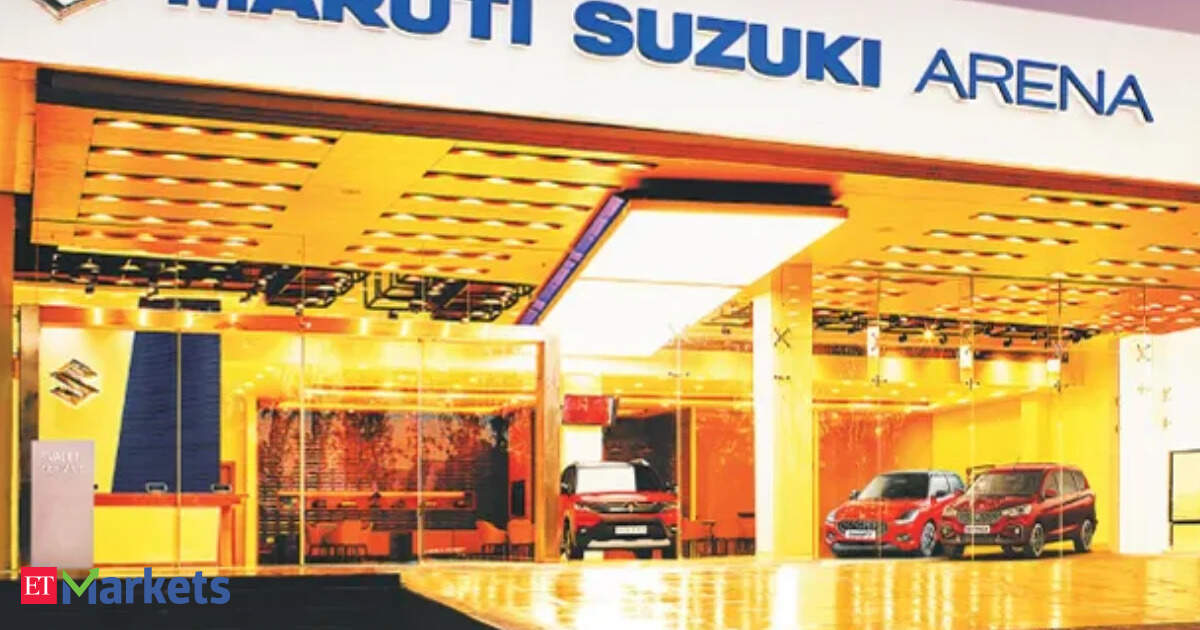
Analyst's simultaneous bullish call on Maruti and Motherson implies a domestic demand cycle bet. Learn which peers are affected and the key data to watch.
Continue with
Siddhartha Khemka, an analyst tracked closely within India's auto ecosystem, placed a bullish call on Maruti Suzuki and Samvardhana Motherson. The endorsement carries weight beyond the two names. An analyst who simultaneously buys an original-equipment manufacturer (OEM) and a Tier-1 component supplier is placing a bet on the entire value chain – not just on company-specific catalysts. The readthrough extends to the sector's demand cycle, margin trajectory, and the timing of a potential re-rating.
The Two-End Supply-Chain Bet
Maruti Suzuki commands roughly 40% of India's passenger-vehicle market by volume. Its earnings hinge on domestic demand, model mix, and pricing power. Samvardhana Motherson supplies components globally, counting Maruti as one client among many. Its revenue growth follows content per vehicle and global production volumes. Khemka's endorsement of both simultaneously implies a view that a demand recovery is strong enough to lift OEM volumes and that the margin environment allows suppliers to pass through pricing. That is a materially different signal from a single-stock pick, which could rest on a new-model launch or cost-cutting. This two-sided call effectively buys the sector's cyclical upswing.
What the Bundle Tells You About Market Expectations
The naive reading is that Khemka likes Maruti and Motherson independently. The better market read examines cause-and-effect. If Maruti's volumes rise, its procurement from Motherson rises proportionally, all else equal. Yet Motherson's global footprint (Europe, North America) means its earnings are less tied to Maruti alone. The bullish case for Motherson must therefore rely on a broader catalyst – a global auto recovery, margin expansion from raw-material stability, or a stronger aftermarket business. The alignment mechanism works when both calls rest on the same macro driver: domestic demand recovery. If the thesis is that India's passenger-vehicle market is entering a multi-year upcycle, then Maruti captures volume leverage while Motherson captures content-per-vehicle growth as OEMs add electronics and lightweighting. The readthrough to sector peers is straightforward. Other OEMs with similar domestic exposure and other large component suppliers with high value-added content should benefit from the same macro forces.