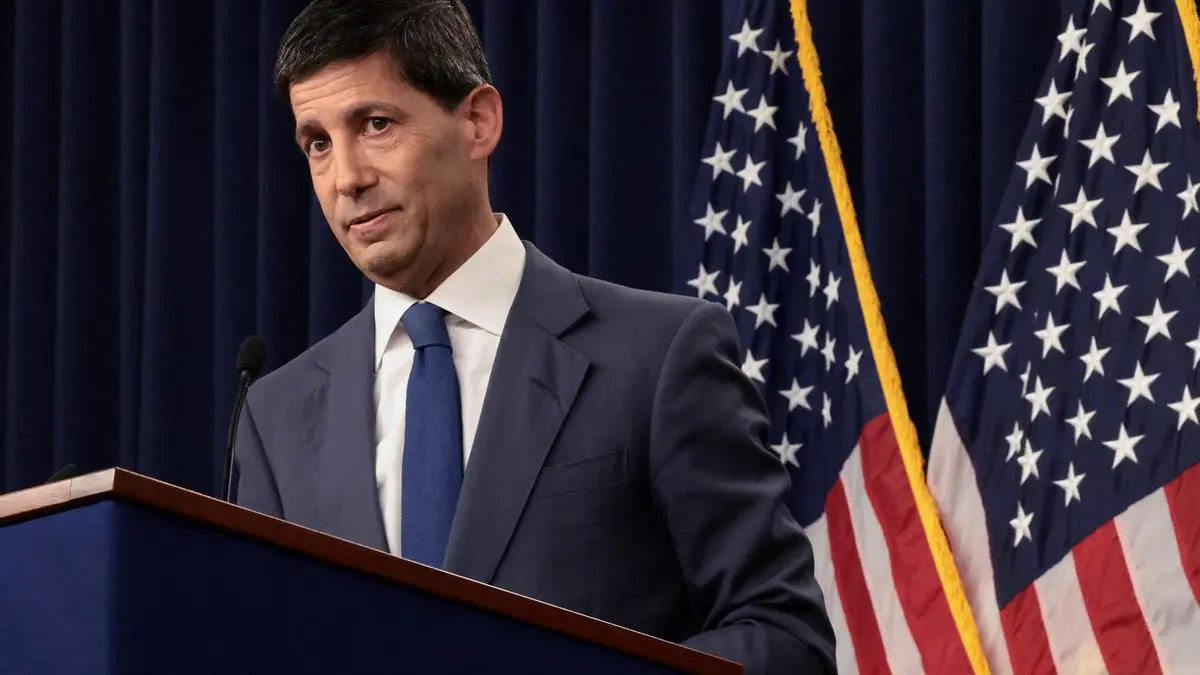
Federal Reserve Chairman Kevin Warsh raised the idea of cutting the number of the central bank's regularly scheduled policy meetings during this week's rate-setting session, the New York Times reported Friday.
The proposal, the NYT reported, would end a practice in place since 1981. The Fed has held eight scheduled meetings a year since the Volcker era. The Times described the change as a major organizational shift under Warsh, who took office roughly two months ago promising "regime change."
The eight-meeting schedule was set under Paul Volcker in 1981, the report noted, a period when the Fed was fighting double-digit inflation. The cadence gave markets a predictable rhythm for rate decisions while allowing the committee to respond to fast-changing economic data.
Fewer meetings would reduce the flow of information Wall Street and the public receive on interest rates and the Fed's view of the economy. The central bank has convened unscheduled meetings during emergencies, including the early days of the Covid-19 pandemic and the 2007-2009 financial crisis.
Any change to the meeting calendar requires support from the Federal Open Market Committee. That group includes regional bank presidents and Washington-based governors. Several regional presidents have expressed reluctance to reduce their voting opportunities, people familiar with the matter told the Times.
Warsh has signaled a broader push to reshape the Fed's communications. He has previously suggested the central bank should deliver fewer speeches and publish shorter post-meeting statements. The NYT reported that some critics say fewer meetings would reduce transparency at a time when the Fed is trying to rebuild public trust after the inflation surge.
Supporters of the idea, cited by the NYT, argue that quarterly meetings would force the committee to focus on bigger strategic questions rather than incremental adjustments. The European Central Bank meets every six weeks, roughly eight times a year. The Bank of Japan follows a similar cadence.
The change would have practical consequences for financial markets. Traders use the eight-meeting calendar to structure hedging and positioning around rate decisions. Fewer meetings would concentrate those decisions and increase volatility around each announcement, several market participants said.
The New York Times Co stock page has an Alpha Score of 52/100, labeled Mixed. The scoop reinforces its standing as a primary source for Fed policy coverage. Analysts said the story strengthened the paper's role in high-value financial journalism and demonstrated the value of exclusive policy reporting for subscription-based news models.
Any formal proposal would need to clear the Fed's internal review process before a vote. No timeline has been set.