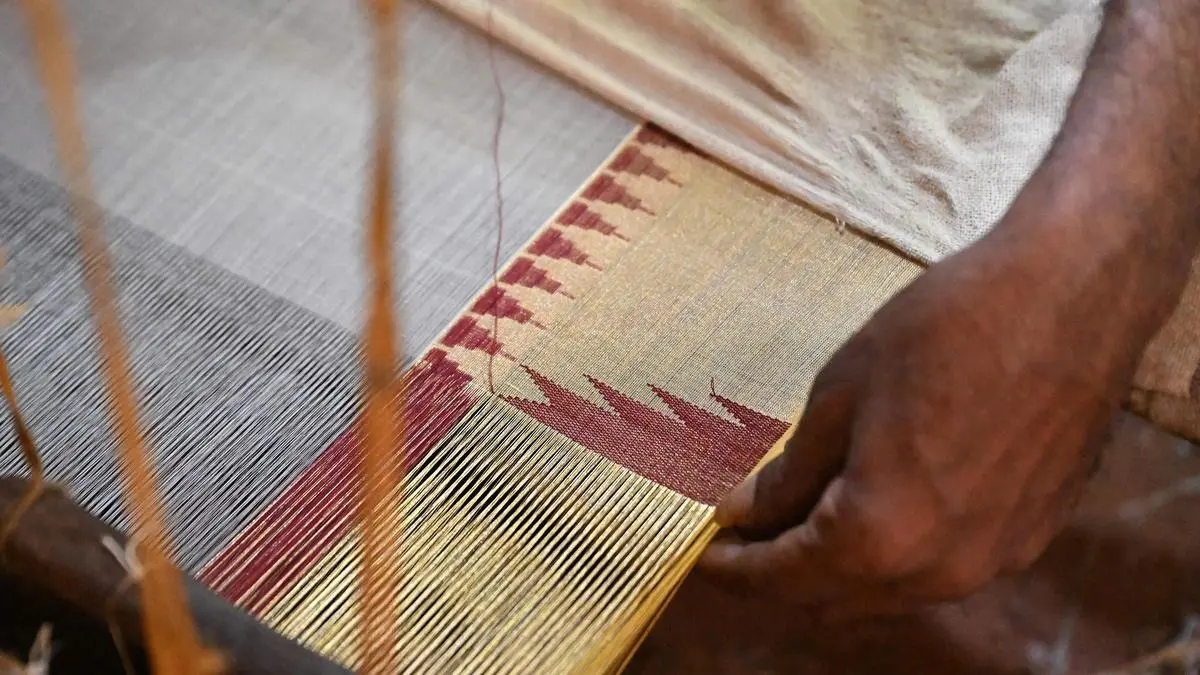
A CSIR-NIIST study of four GI-tagged Kerala handloom products finds initial sales and wage gains reversed over time, as powerloom competition and demographic pressures eroded the tag's economic value.
The Geographical Indication tag gave Kerala's handloom sector a short-lived lift. Sales and weaver wages improved in the first few years after registration, then the gains evaporated, according to a study led by RS Praveen Raj of CSIR-NIIST in Thiruvananthapuram.
The researchers tracked four GI-tagged products across the state – Balaramapuram sarees and fine cotton fabrics, Kasargode sarees, Kuthampally sarees, and Chendamangalam dhoties and set mundu. They compared market indicators before and after GI registration, adjusting prices for inflation.
The initial data showed moderate improvements in annual sales and weaver wages. But the longer-term picture turned negative. Real sales declined. Inflation-adjusted wages lost purchasing power. The number of active weavers kept falling.
The study does not blame the GI system for the deterioration. The sector faces multiple pressures that a legal designation alone cannot fix.
Powerloom competition is the biggest. Machine-made fabrics undercut handloom on price, and consumers increasingly choose cheaper alternatives. Input costs are rising. Younger workers are not entering the trade. The handloom workforce is ageing, and weaving is losing its economic appeal.
The researchers found that GI registration boosted product visibility and consumer confidence. Shoppers recognized the tag as a mark of authenticity. But that recognition did not translate into a durable price premium or sustained income growth.
A GI tag is a collective intellectual property right that identifies goods originating in a specific geographical area. India enacted the Geographical Indication of Goods Act in 1999 to protect such products. Kerala has secured more than 30 GI registrations, making it a significant player in the system.
But the study's conclusion is blunt: legal recognition is the starting point, not the finish line. Converting geographical identity into lasting economic value requires a supporting market ecosystem – branding, marketing, distribution networks, design innovation, and producer organizations.
For the handloom communities, that means making weaving economically attractive to younger workers. Without that, the GI tag becomes a certificate of authenticity for a dying craft.
The findings carry implications beyond Kerala. India has hundreds of GI-tagged products, many in artisan and agricultural sectors facing similar structural challenges. If the tag alone cannot sustain incomes, policy makers need to look at the broader support system.
A GI is often described as the "poor man's IP" because it protects traditional knowledge and crafts practiced by economically weaker communities. But the study suggests that without active market development, the poor man's IP stays poor.
Prepared with AlphaScala editorial tooling from the source reporting linked above. Indexable analysis may include a cited Alpha Score value. Publishing checks screen each story before release. Educational coverage, not personalized advice.