Stocks● Neutral
Kerala Budget 2026: Committed Expenditure Share Still 72% Despite Warning
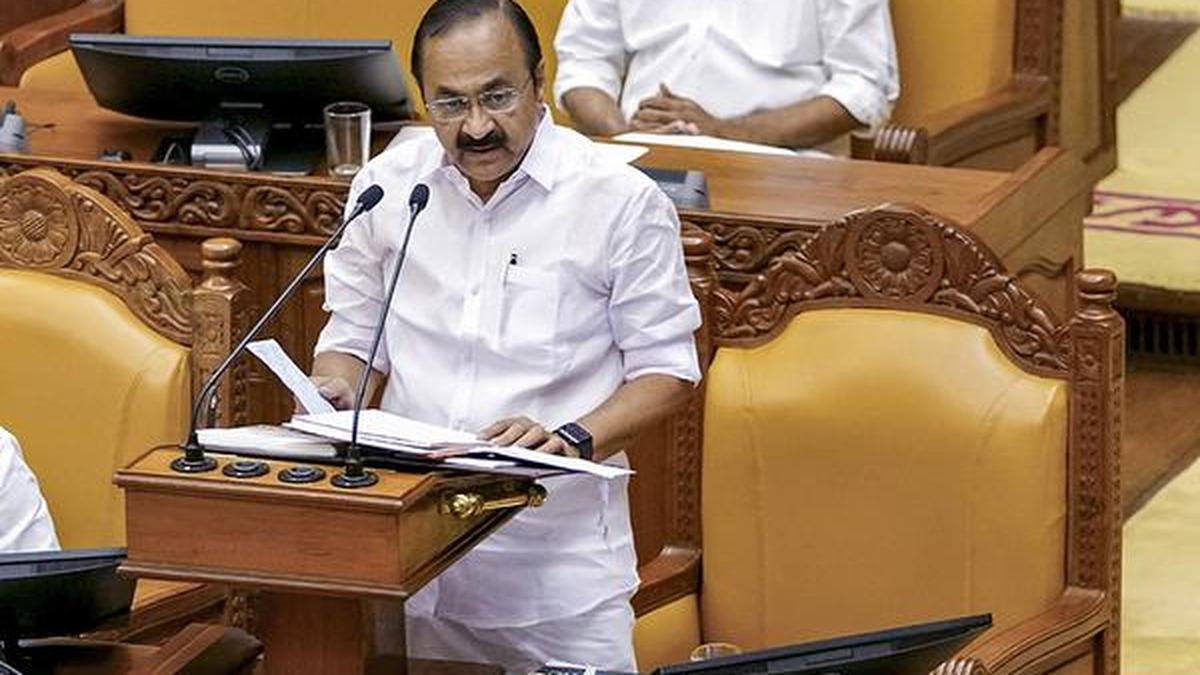
Kerala's new government projected committed expenditure at 72% of revenue receipts for 2026-27, the second-highest among Indian states. The white paper's call for hard decisions went unanswered.
Continue with
Kerala's new UDF government presented its maiden budget on Thursday, projecting committed expenditure at 72.14% of revenue receipts for 2026-27. That share ranks second among Indian states, behind only Punjab. The figure comes days after the government's own white paper warned that salaries and pensions – combined with interest payments – leave almost no room for capital spending.
The budget estimates debt-to-GSDP at 33.5%, down from 34.87% in 2024-25. The drop relies on optimistic assumptions: GSDP growing 14.15% and revenue receipts rising 23.8%. Absolute debt would rise 11.6% to ₹5.46 lakh crore. Even if those targets are hit, Kerala will remain among India's most indebted states. The all-state average debt-to-GSDP was 27.01% in 2024-25, according to RBI data.
The white paper called committed expenditure a "structural problem." It said the state spends almost 80% of its resources on salaries, pensions and interest, far above the all-India average of 45.4%. The report urged hard political decisions: raising the retirement age and limiting pay commission revisions to once a decade. "Now is the time for hard political decisions," the white paper said.
The budget speech addressed most of the white paper's concerns. On committed expenditure, it was silent. The only related announcement was a review of the Assured Pension Scheme introduced by the previous Left government. No cap on salary growth or pension outflows was proposed.