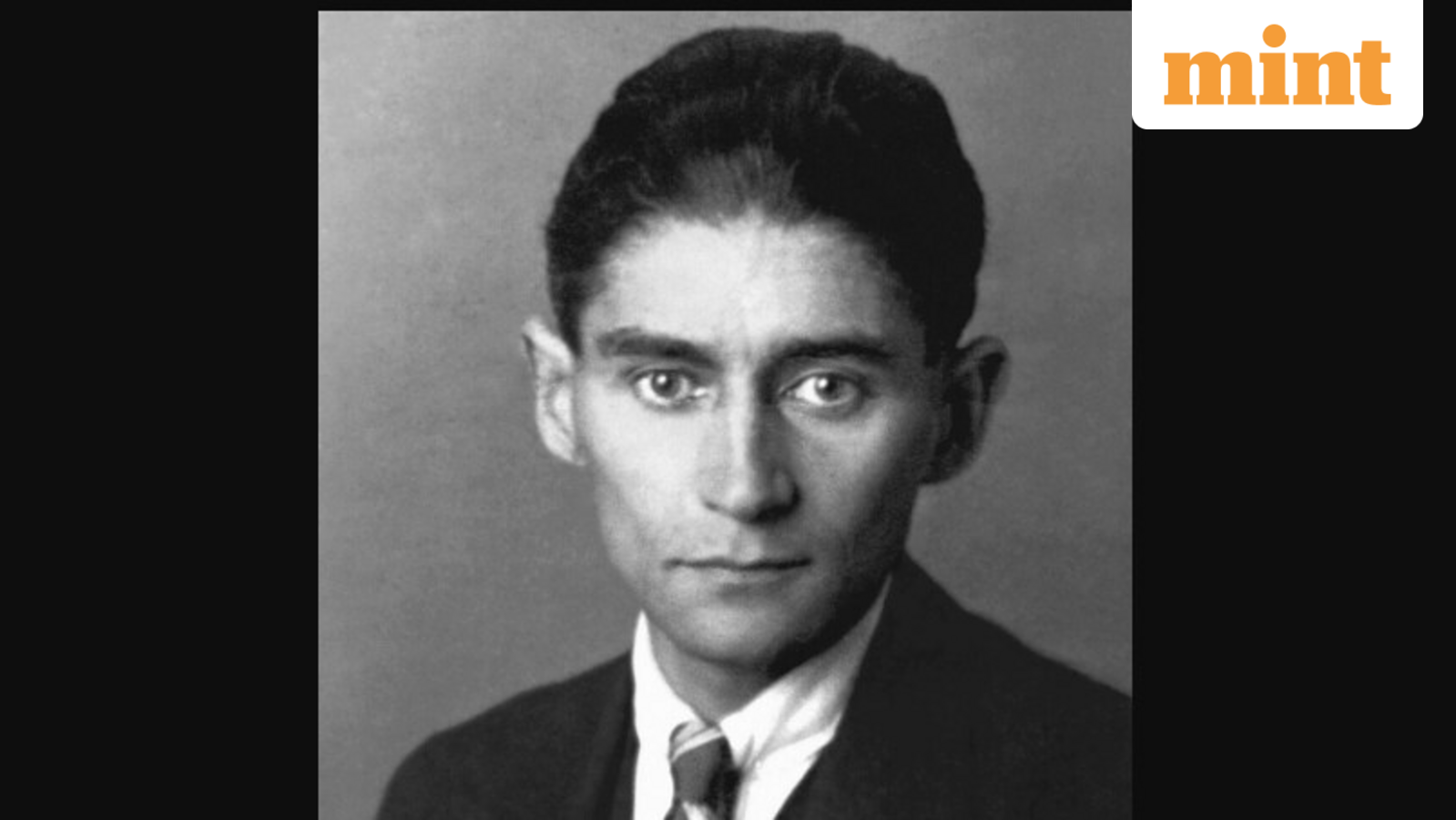
Franz Kafka’s line 'Life’s splendour forever lies in wait' offers a philosophy of hidden grace. Amid routine and struggle, beauty may be deferred but never absent. Kafka’s lesson: slow down and notice the small moments.
Franz Kafka, the 20th-century writer whose name is shorthand for alienation and absurd bureaucracy, also left behind a quieter insight. “Life’s splendour forever lies in wait,” he wrote. The line carries no promise that happiness arrives on schedule, only that beauty persists, hidden but present.
The phrase “forever lies in wait” is the anchor. Splendour does not vanish because a day feels heavy or a routine grinds on. It waits for attention. Kafka’s own fiction rarely offered easy resolution, but this quote suggests the conclusion his characters never reached: meaning is not absent, just deferred.
That idea lands in a reader’s present. Speed, comparison, performance, the modern rhythm can make even good things feel ordinary. Kafka does not deny the struggle. He says the difficulty is not the whole truth. What feels invisible today may become visible tomorrow.
The most practical reading: slow down. Notice the small moments, a conversation, a quiet morning, an unfinished dream. Splendour arrives without fanfare. It is not something to force, but to discover through patience.
Kafka’s own life was marked by illness, isolation and unfinished manuscripts. He knew the weight of delay. The quote is not naive optimism. It is a working belief: beauty is never exhausted. It waits in time, in memory, in the ordinary corners of everyday life.
Drafted by a large language model from the source reporting linked above, then screened by automated publishing checks. It is not read by a journalist before publication. Some articles cite our Alpha Score. Verify prices and figures against the original source. Educational coverage, not personalized advice.