Judicial Dismissal of Defamation Suit Against NBC Pundit Limits Legal Recourse for Public Officials

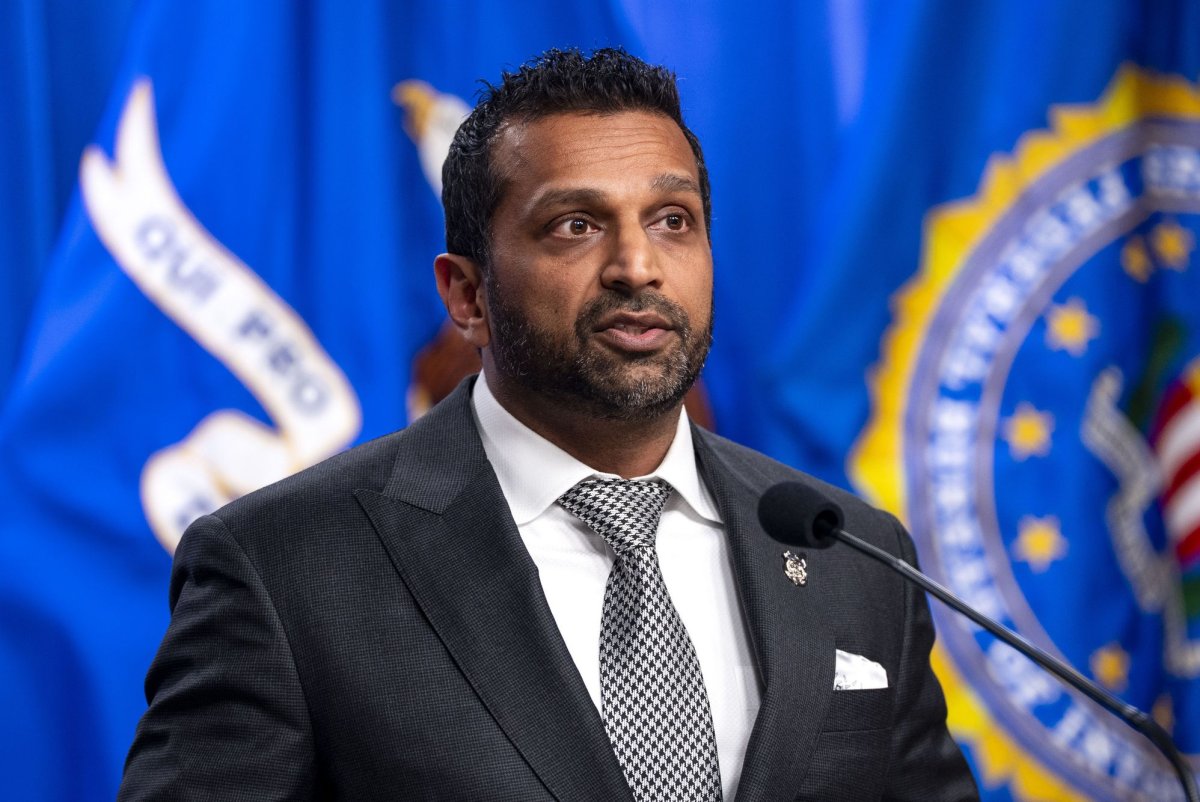
A federal judge in Houston has dismissed a defamation lawsuit filed by FBI Director Kash Patel against NBC pundit Frank Figliuzzi, reinforcing the high legal bar for public officials in media litigation.
Alpha Score of 55 reflects moderate overall profile with moderate momentum, moderate value, moderate quality. Based on 3 of 4 signals — score is capped at 90 until remaining data ingests.
Alpha Score of 45 reflects weak overall profile with strong momentum, poor value, poor quality, weak sentiment.
Alpha Score of 57 reflects moderate overall profile with weak momentum, strong value, moderate quality, weak sentiment.
Alpha Score of 63 reflects moderate overall profile with strong momentum, weak value, moderate quality, moderate sentiment.
A federal judge in Houston has dismissed a defamation lawsuit filed by FBI Director Kash Patel against NBC pundit Frank Figliuzzi. The ruling marks a significant procedural hurdle for high-ranking government officials seeking to utilize civil litigation to challenge media commentary regarding their professional conduct. By granting the motion to dismiss, the court has reinforced the high evidentiary threshold required to sustain defamation claims involving public figures.
Impact on Public Figure Litigation
The dismissal centers on the legal standards governing speech concerning individuals in positions of public trust. Defamation claims brought by government officials often face scrutiny under the actual malice standard, which requires the plaintiff to prove that the defendant acted with knowledge of falsity or reckless disregard for the truth. This decision underscores the difficulty of navigating these requirements when the underlying commentary relates to matters of public interest or official duties.
For legal observers, the case serves as a reminder of how federal courts balance the protection of individual reputation against the broad protections afforded to media analysis. The dismissal effectively halts the discovery process that would have otherwise compelled the disclosure of internal editorial communications and source materials. This outcome limits the ability of public officials to use the court system as a primary mechanism for addressing perceived inaccuracies in broadcast media.
Sectoral Read-Through for Media Liability
Broadcasters and media organizations operate under a framework where the risk of litigation is a constant factor in editorial strategy. The resolution of this case in favor of the defendant provides a degree of clarity regarding the boundaries of protected commentary. Media entities often prioritize the defense of their pundits when claims are rooted in subjective analysis or interpretations of public records, as seen in this instance.
This ruling may influence how media companies approach future litigation threats from government officials. By successfully defending against the suit, the defendant has avoided the financial and reputational costs associated with a protracted trial. The decision highlights a recurring pattern where courts prioritize the preservation of open discourse, even when that discourse is critical of high-level federal appointees.
AlphaScala Data and Market Context
While this legal outcome is specific to the media and political landscape, it reflects the broader environment of regulatory and legal pressure that can influence corporate sentiment. Our internal metrics track various sectors, including those sensitive to policy shifts and public perception. For instance, companies in the financial and technology sectors often face their own unique legal challenges, as seen in the current Alpha Scores for T at 57/100, C at 63/100, and ON at 45/100. These scores reflect the ongoing volatility and structural risks inherent in stock market analysis today.
The next concrete marker for this narrative will be the potential for an appeal by the plaintiff. Should the legal team for the FBI Director choose to challenge the dismissal, the case will move to a higher court, where the focus will shift to whether the judge correctly applied the standards for public figure defamation. Until such a filing occurs, the dismissal stands as a definitive rejection of the current claims, effectively shielding the pundit from further liability in this specific matter.
AI-drafted from named sources and checked against AlphaScala publishing rules before release. Direct quotes must match source text, low-information tables are removed, and thinner or higher-risk stories can be held for manual review.