Stocks● Neutral
Judge Dismisses Adani Charges, Criticizes DOJ's Handling
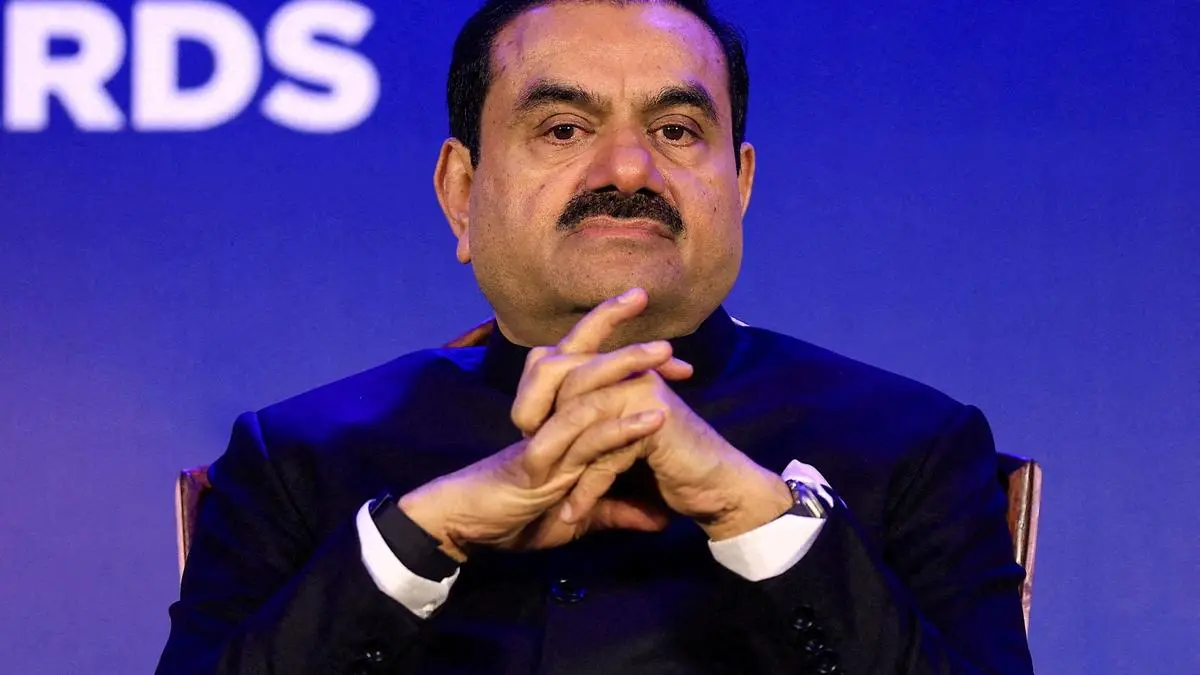
A Brooklyn judge dismissed criminal charges against Gautam Adani but criticized the DOJ's handling of the case, calling the circumstances surrounding the decision concerning.
Continue with
A federal judge in Brooklyn dismissed criminal charges against Gautam Adani on Monday. The judge also questioned the Justice Department's handling of its decision to drop the bribery and fraud case, calling the circumstances surrounding the dismissal unusual.
U.S. District Judge Nicholas Garaufis granted prosecutors' request to throw out the indictment. The charges had accused Adani and seven co-defendants of agreeing to bribe Indian officials to win approval for a solar energy plant and then misleading U.S. investors about the company's anti-corruption practices.
Garaufis said he was satisfied that Adani's November 2024 pledge to invest $10 billion in the United States had not influenced the DOJ's decision. He acknowledged that a judge's role in reviewing prosecutors' decisions to drop charges is limited.
Still, the judge took aim at how the dismissal was handled. He criticized Principal Associate Deputy Attorney General Trent McCotter for working directly with Adani's defense lawyers to craft the motion, bypassing the prosecutors and FBI agents who built the case.
"The irregularities in the decision to dismiss the indictment are concerning," Garaufis wrote. "McCotter appears to have eschewed the professional opinions of innumerable officials from various federal offices and replaced them with his singular judgment."
A Justice Department spokesperson pointed to a July 4 filing in which McCotter said he decided to drop the charges after meeting with defense lawyers and other DOJ lawyers and conducting his own research. McCotter said the case was primarily foreign, difficult to prove, and inconsistent with the department's current priorities. He denied as false what he called media stories suggesting the investment pledge factored into his decision.